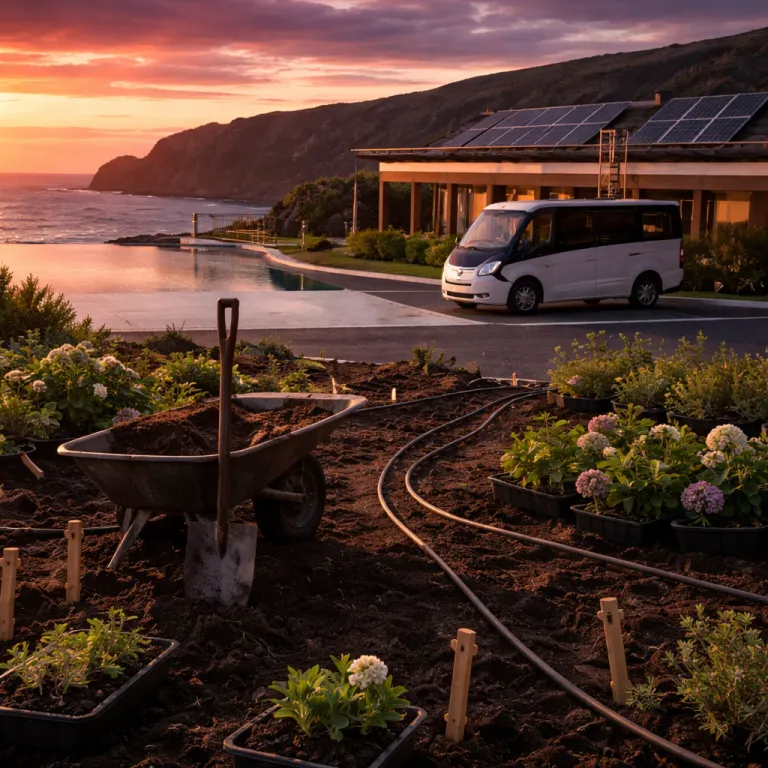
Luxury stay in the Azores: why access is the new premium
A luxury stay in the Azores now starts long before check in. As the only archipelago certified at EarthCheck Gold level for destination sustainability, the Azores authorities are quietly turning availability itself into the rarest amenity on each island. For travelers planning a holiday, the guest who understands this shift will secure the perfect room, the right hotel located near fragile landscapes and the calmest ocean view.
The regional strategy for the Azores to 2030 is explicit in its published guidelines: caps and permits will limit daily entries into the most sensitive calderas, fumarole fields and coastal trails on every island visitors dream about. That means your high end Azores stay decision is no longer just which hotel or resort to book, but when to lock in access to the experiences that justify flying into the Portuguese archipelago in the first place. In practice, the new premium is not the thread count, it is the confirmed slot at a thermal spring in Furnas or a whale watching departure on the north coast of São Miguel.
Recent data from the regional government show around 1.3 million guests and 4.4 million overnight stays in 2023, with growth still edging upward year on year according to official tourism statistics and Sustain Azores reports. For a region with only about 15 upscale hotels and resorts, that occupancy pressure means that even a traveler with a generous budget can no longer assume last minute availability in a favourite Azores property. On stay in Azores, we already see peak season dates where the most charming hotels on São Miguel island and Pico island are fully booked while mid range rooms with no real view or sense of place still sit empty.
On São Miguel, the capital of Azores tourism, this shift is most visible in Ponta Delgada and the surrounding coast. Sleek addresses such as Azor Hotel, with its rooftop pool and direct Atlantic Ocean views, now function as urban bases for guests who spend more time chasing permits than spa appointments. A discerning traveler here is as likely to be refreshing the “Reserva Sete Cidades” and “Reserva Lagoa do Fogo” online portals, where specific time slots and daily car limits apply, as they are to be ordering a second Azorean gin and tonic by the pool.
In Furnas, Terra Nostra Garden Hotel sits beside the iconic Terra Nostra thermal park, and its guests feel the access premium even more acutely. When daily visitor numbers tighten, the ability to slip from your room to the geothermal pool before day trippers arrive becomes the definition of a perfect Azores luxury moment. As one long time concierge there told us, “Our most requested amenity is no longer late checkout, it is early entry to the garden when the mist is still rising from the water.” That is why we argue that in the Azores context, the most valuable amenity is proximity to the experience under protection, not just another layer of marble in the lobby.
Solo travelers often assume that one person can always find a last room with an ocean view somewhere on an island in Portugal. In the Azores, that assumption is already outdated, especially on São Miguel during summer and on long weekends when domestic demand from mainland visitors spikes. The new rule is simple: if you care about natural beauty and want a specific hotel located near it, you book early or you compromise.
Some readers will ask whether this scarcity narrative is exaggerated, given that the Azores still feel uncrowded compared with other Atlantic Ocean destinations. Yet the combination of limited hotel inventory, strict building controls on the coast and rising global awareness means that pressure concentrates on a handful of iconic sites. For a premium stay, that concentration translates into a race for the right keycard, not just any room.
From our vantage point curating stay in Azores properties, we see that the guests who treat permits and caps as part of the planning ritual end up with a calmer, more elegant holiday. They secure rooms in characterful hotels with a pool and a genuine ocean view, rather than settling for inland addresses with no sense of place on the island. In the coming years, this planning discipline will separate those who experience the Azorean landscapes at their quietest from those who only glimpse them between queues.
How sustainability caps will reshape where you stay and when you arrive
The Azores sustainability strategy is not a brochure slogan; it is a zoning map that will change how you move between islands and how you define a luxury stay. Visitor caps and permit zones are being drawn around crater lakes, geothermal valleys and sections of the north coast where erosion and overtourism would otherwise collide. For the traveler, that means the choice of hotel or resort becomes a tactical decision about access, not just a question of style.
On São Miguel, the island most visitors know first, caps around Sete Cidades, Lagoa do Fogo and Furnas will push some guests to stay closer to Ponta Delgada rather than in the rural interior. That is where properties like Azor Hotel and other elegant hotels in Ponta Delgada for a refined Azores stay become strategic bases, pairing urban convenience with quick road access to permit zones. When a sunrise slot at a viewpoint is limited to a few dozen cars per hour, being located 20 minutes away instead of 50 can be the difference between a serene moment and a missed opportunity.
As caps tighten, we expect dispersal to become the structural play across the archipelago, not a backup plan for those who find São Miguel fully booked. Pico, Faial and Terceira will absorb travelers who still want a high comfort Azores holiday but are willing to trade big island infrastructure for quieter hotels, small resorts and more flexible availability. For solo explorers, this is an advantage; a smaller island base often means more direct contact with hosts and guides who understand the rhythms of the Atlantic Ocean and can adjust plans around weather and permits.
Take Pico island, where vineyard landscapes protected by UNESCO already limit large scale development along the coast. Here, a hotel located within the lava stone currais offers not just a dramatic ocean view but also walking access to trails and natural pools that may one day fall under stricter daily quotas. A guest who books early secures both the room and the right to step into that landscape at the quietest hours.
On Faial, Horta’s marina and the surrounding north coast bays are likely to see more visitors as caps on whale watching departures from São Miguel redirect demand. Planning a refined stay in Horta on Faial island through resources such as stay in Azores allows you to align your hotel choice with the specific ocean experiences you want. In this context, an upscale Azores escape is defined by how seamlessly your room key, your boat ticket and your permit slot align.
There is a counter argument that caps will simply push prices up without improving the quality of the experience, especially in peak months. That risk is real on São Miguel and in Ponta Delgada, where limited high end hotels and strong demand from both Portugal and international markets can create rate spikes. The safeguard is transparency: when caps are clearly communicated and tied to measurable environmental goals in the regional 2030 plan and related policy documents, travelers can see that their higher room rate is intended to help fund the protection of the natural beauty they came for.
Concierges across the Azorean properties we speak with already treat permits as seriously as restaurant reservations. At some hotels, the pre arrival email now includes a checklist of sites that require advance booking, from thermal baths in Furnas to guided hikes on Pico. One São Miguel hotel manager summarised the shift clearly: “If we do not secure permits for our guests before they land, we know their stay will feel incomplete.” For a luxury focused stay, this concierge guidance is becoming as valuable as a room upgrade, because it translates your budget into guaranteed access rather than speculative plans.
Over time, arrival itself will change meaning in the Azores. Landing at Ponta Delgada or Santa Maria will no longer signal the start of a free form island holiday, but the execution of a carefully sequenced itinerary of ocean, crater and village experiences. Those who resist this shift may still find a bed, yet they will miss the quietest hours at the viewpoints and the most intimate encounters with the Atlantic Ocean that define the region’s appeal.
Rethinking luxury: from room rate to regenerative experience
For years, luxury in the Azores was coded as a high room rate, a large pool and a panoramic view hotel terrace facing the Atlantic Ocean. That definition is now too narrow for an archipelago that has committed to regenerative tourism and strict environmental standards. A modern high end Azores stay is measured by how lightly your presence rests on the island and how deeply your visit supports local communities.
Properties such as Santa Bárbara Eco Beach Resort on the north coast of São Miguel illustrate this shift with clarity. The resort is located above a wild stretch of coast, with villas oriented toward the ocean and a design that minimises visual impact while maximising natural light and cross ventilation. Guests here are paying for more than a beach resort aesthetic; they are investing in a model where energy use, water management and local sourcing are as carefully curated as the wine list.
In Furnas, Terra Nostra Garden Hotel shows how heritage properties can align with the Azores ecolodge ethos without losing their classic charm. The hotel is located inside a botanical garden fed by geothermal springs, and its operations are tightly integrated with the stewardship of that landscape. An elegant stay at Terra Nostra Garden Hotel in the heart of Furnas is not just about soaking in the thermal pool, but about understanding how visitor caps and careful path design protect fragile plant species.
Across the Azores, we see a new generation of hotels and resorts that treat sustainability as infrastructure rather than marketing. On São Miguel island, White Exclusive Suites & Villas in Lagoa uses low impact architecture and local materials to frame its ocean view, while still delivering the privacy and service a discerning guest expects. On Terceira, Torel Terra Brava in Angra do Heroísmo demonstrates how a small property can weave cultural programming and local gastronomy into the guest experience without overwhelming the historic fabric of the town.
Some travelers worry that this sustainability focus will limit comfort or choice, especially for those with a higher budget who are used to expansive facilities. In practice, the opposite is happening; by capping development along the coast and in sensitive valleys, the Azorean authorities are forcing hoteliers to think more creatively about space, materials and services. The result is a portfolio of hotel options where natural beauty, silence and proximity to trails or natural pools often replace oversized lobbies and redundant restaurants.
For solo explorers, this evolution is particularly appealing, because it aligns a premium Azores stay with the desire for authenticity and low impact travel. Staying in an ecolodge style property on Pico or Santa Maria, for example, often means direct conversations with owners about weather patterns, whale migrations and the realities of living on an island in the mid Atlantic Ocean. Those conversations are part of the value proposition, turning a simple holiday into an education in how a small community navigates global tourism pressures.
There is still a risk that some hotels and resorts will use the language of sustainability to justify higher prices without meaningful operational changes. Discerning guests should look for concrete indicators: energy certifications, local hiring, transparent sourcing and clear explanations of how visitor caps are respected in daily operations. A true luxury experience in the Azores is one where your room rate supports both your comfort and the long term resilience of the island you came to experience.
When you compare options across the archipelago, ask not only about the size of the pool or the breadth of the spa menu, but about how the property engages with caps, permits and local suppliers. A hotel located near a fragile lagoon that coordinates entry times and educates guests is offering a more sophisticated form of luxury than a generic beach resort with little sense of place. In the Azores, the most refined indulgence is knowing that your presence leaves the coast, the forest and the fumaroles slightly better protected than before.
Booking strategy: how to stay ahead of caps, permits and price spikes
Securing a luxury stay Azores in the coming years will reward those who treat planning as part of the pleasure. With average occupancy already around seventy five percent across luxury hotels and a finite number of high end rooms on each island, spontaneity is becoming an expensive habit. The solo traveler who books strategically will enjoy better availability, calmer experiences and a more rational budget.
Start by mapping your priorities across the nine islands of the Azores Portugal, rather than defaulting to São Miguel alone. If geothermal valleys and culinary traditions matter most, focus on Furnas and the surrounding Miguel island interior, where properties like Terra Nostra Garden Hotel and other charming hotels offer direct access to hot springs and volcanic cuisine. If whale watching, vineyards and dark sky nights are your priorities, shift your gaze to Pico and Faial, where smaller hotels resorts and guesthouses hug the coast with uninterrupted ocean views.
Next, align your hotel Azores choices with the emerging permit zones and caps. On São Miguel, that might mean choosing a hotel located within a short drive of Sete Cidades or Lagoa do Fogo, so that early morning or late evening permit slots are realistic without exhausting transfers. On Pico, it could mean staying near the harbour where your whale watching operator departs, reducing the risk that weather shifts or cap changes leave you stranded inland while the Atlantic Ocean finally calms.
Concierges at high end properties across the Azores São already act as informal permit managers for their guests, often using the same online reservation systems that locals rely on. They know that “Book in advance during peak season”, “Explore multiple islands”, and “Try local cuisine.” are not clichés but survival strategies in a region with limited capacity and rising demand. When you secure a luxury stay Azores, use the pre arrival correspondence to ask explicitly which sites require permits, how far in advance to reserve and what alternatives exist if caps are reached.
For those balancing a careful budget with a desire for comfort, shoulder seasons are becoming the sweet spot. The Azores Portugal climate allows for rewarding stays outside the classic summer window, with fewer crowds, more flexible availability and often more attentive service. In these months, a solo traveler can often upgrade to a room with a better view hotel position or a quieter wing without paying peak premiums.
Do not overlook lesser known islands such as Santa Maria, where smaller scale development and softer visitor numbers create space for a slower luxury stay Azores. Here, hotels and guesthouses located near the coast offer easy access to beaches and trails without the same intensity of caps seen on São Miguel. For many solo explorers, this balance between comfort, natural beauty and freedom of movement is the real definition of luxury.
As caps and permits mature, some areas will inevitably see price spikes that are not always matched by experience quality. Watch for signs such as rapid rate increases in Ponta Delgada without corresponding investment in services, or coastal properties on Miguel island charging premiums purely for proximity to a capped site. In those cases, consider shifting to Pico, Faial or Terceira, where the structural dispersal of visitors still leaves room for value and depth.
Ultimately, the traveler who treats the Azores as a network of islands rather than a single destination will thrive in this new era. By combining a few nights in a Ponta Delgada hotel with time on Pico or Faial, and perhaps a quieter finale on Santa Maria, you turn caps and permits into a framework for a richer itinerary. That is how a luxury stay Azores becomes not just a holiday, but a considered engagement with one of Europe’s last genuinely wild archipelagos.
Key figures shaping luxury stays in the Azores
- The Azores host around 15 luxury hotels, a small inventory that concentrates demand and makes early booking essential for a luxury stay Azores (source: Booking.com listings and regional tourism registries, cross checked with official accommodation databases).
- Average occupancy in Azorean luxury properties sits near 75 percent, meaning that peak season availability for top hotels and resorts is often limited months in advance (source: Booking.com trend data and regional statistics published by the government of the Azores).
- Annual tourist arrivals of roughly 1.3 million guests translate into about 4.4 million overnight stays, a ratio that underscores how multi night holidays amplify pressure on fragile sites and hotel capacity (source: regional government statistics and Sustain Azores reports on visitor flows).
- Through November 2023, the region recorded growth of around 3.8 percent in guests and 4.6 percent in nights compared with the previous year, reinforcing the urgency of caps and dispersal policies (source: Sustain Azores and regional tourism authorities, including the official 2030 strategy documents).
Essential questions for planning your Azores stay
What is the best time to visit the Azores ?
What is the best time to visit the Azores? June to August for warm weather and festivals. For a luxury stay Azores with fewer crowds and more flexible availability, consider late spring or early autumn, when the Atlantic Ocean is still relatively mild and hotel rates can be more forgiving. These shoulder periods often deliver a better balance between natural beauty, calm experiences and budget.
Are there direct flights to the Azores ?
Are there direct flights to the Azores? Yes, from major European and North American cities. This growing connectivity makes it easier to combine São Miguel or another island Azores base with time on mainland Portugal, but it also increases pressure on hotel Azores capacity during peak months. Booking flights and accommodation together several months ahead is now part of securing a genuinely relaxed luxury stay Azores.
Is English widely spoken in the Azores ?
Is English widely spoken in the Azores? Yes, especially in tourist areas. In most hotels and resorts on São Miguel, Pico and the main hubs such as Ponta Delgada, front desk and concierge teams are comfortable handling complex requests in English, from permit guidance to restaurant reservations. Learning a few Portuguese phrases is still appreciated, yet language should not be a barrier to planning or enjoying a refined holiday across the Azores Portugal islands.