Pico island wine tourism as the Azores’ true executive evening playground
Pico island wine tourism is where the Azores quietly recalibrate what a business trip extension can feel like. On this Atlantic island in Azores Portugal, evenings are shaped by wine tasting among basalt stone walls rather than boardrooms and backlit bars, and that shift matters for travelers used to São Miguel’s easier comforts. For executives used to flying in and out of São Miguel, choosing island Pico for the leisure part of a trip means trading predictable hotel lounges for a wine landscape that is a UNESCO heritage site and a working classroom in volcanic geology.
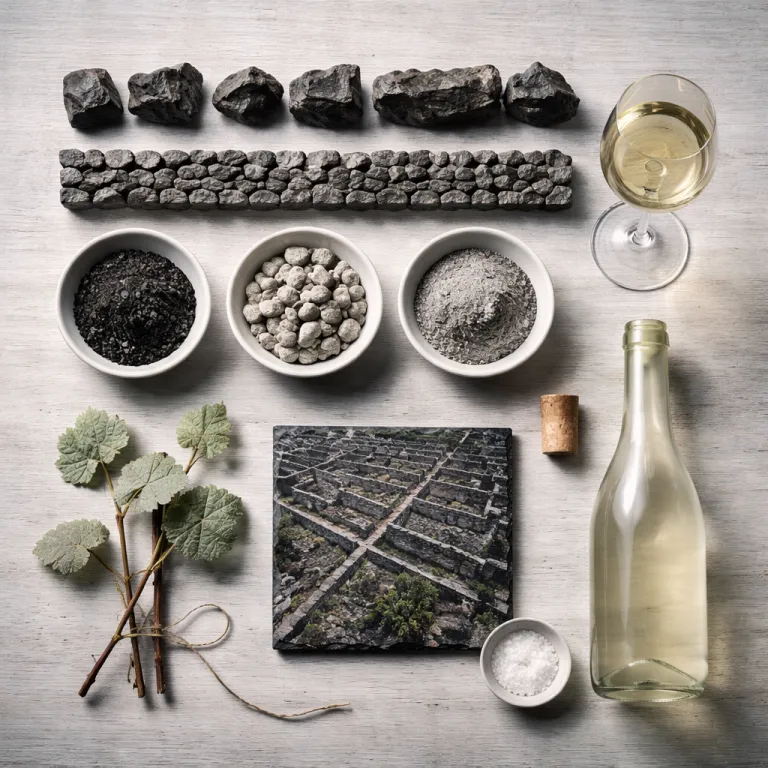
The core of Pico island wine tourism is the currais, the low stone walls that divide Pico vineyards into thousands of tiny parcels and protect the vines from salt spray and wind. These walls, built directly on volcanic soil, create a mosaic of microclimates that give Pico wines their saline edge and make every wine tasting feel like a short geology seminar as well as a sensory experience. When you walk these vineyards near Madalena or along the coast of island São Jorge facing channels, you understand why this heritage site status is not a marketing line but a recognition of human persistence on harsh volcanic ground.
For luxury travelers, the appeal is how well the wine tourism infrastructure now aligns with premium hotel standards without losing authenticity. You can book a refined room overlooking vines and ocean, then step into guided wine tastings that explain how Pico wine evolved from fortified exports to today’s precise Azores wine expressions. This is not a São Miguel first story ; the island Azores narrative for serious wines starts on Pico island, with producers who treat each parcel of volcanic soil as a separate project and invite guests into that process with rare transparency.
Reading the basalt: how Pico’s volcanic soil shapes serious wines
On Pico island, the first thing you notice is the black, broken basalt stretching between the Atlantic and the mountain, and that volcanic field is the foundation of every glass of Pico wine you will taste. The vines are planted in shallow pits scraped from this rock, then shielded by stone walls that trap heat by day and release it at night, creating a unique thermal rhythm that defines both white and fortified wines. This is why wine tourism here feels different from São Miguel island or even nearby São Jorge ; the geology is not a backdrop but an active collaborator in every bottle of Azores wine poured.
Verdelho, Arinto dos Açores and Terrantez do Pico are the three grapes every executive traveler should learn by name before a trip. Verdelho from Pico vineyards tends to be mineral and saline, Arinto dos Açores brings razor sharp acidity, and Terrantez do Pico adds texture and a slightly smoky, volcanic character that pairs beautifully with Atlantic fish. When you stand between the currais near Madalena, with the mountain behind and the ocean in front, a guide can point to specific stone walls and explain why one parcel gives a tighter, more linear expression while another yields broader, more generous wines.
For travelers used to polished hotel tastings on São Miguel, the rawness of this wine landscape is part of the luxury. You might arrive by car from the ferry, step straight from your premium room into a vineyard walk, and taste Pico wines beside the very vines that produced them, with basalt underfoot and sea spray in the air. If you are planning a wider Azores Portugal itinerary that includes Terceira, pairing a refined stay on that island with a focused wine immersion on Pico creates a balanced archipelago experience, and resources like curated Terceira island hotels for a refined stay in the Azores help you keep the standard consistently high across islands.
Producers to know: Azores Wine Company, Czar and Curral de Atlantis
For serious Pico island wine tourism, three names should anchor your tasting schedule, and each offers a different angle on the same volcanic story. Azores Wine Company, led by António Maçanita, is the most visible modern wine company on island Pico, with a striking winery and restaurant complex that feels purpose built for executive travelers who care about both design and depth in the glass. Czar, by contrast, is almost monastic in its focus on long aged fortified wines, while Adega Curral de Atlantis represents the cooperative heart of Pico vineyards and the everyday wines that locals actually drink.
At Azores Wine Company, book a structured wine tasting that walks through single parcel Verdelho, Arinto dos Açores and Terrantez do Pico, ideally timed for late afternoon light over the vineyards. The team can explain how different volcanic soil compositions and exposure to Atlantic winds shape each cuvée, turning what could be a simple tasting into a masterclass in micro terroir. Many guests then stay for a wine paired dinner at the on site restaurant, where Chef Rui Batista delivers a menu that many critics quietly describe as Michelin caliber, with courses built around precise pairings of Pico wines and Azores Portugal seafood.
Czar and Adega Curral de Atlantis are best approached with a car and a clear schedule, as tasting windows can be tight and advance booking is essential during peak travel periods. A well planned trip might start with a cooperative visit at Curral de Atlantis to understand volume production, move to Czar for a deep dive into historic fortified styles, then end at Azores Wine Company for contemporary interpretations and dinner. If you are structuring a longer island Azores itinerary with flights through São Miguel or even a stop in Terceira, consider using refined Azores vacation packages for mid Atlantic stays as a framework, then layering these specific wine tourism appointments on top for a tailored executive experience.
Where to stay: from vineyard retreats to executive ready bases
Luxury and premium stays on Pico island have finally caught up with the ambition of its wines, which means executive travelers no longer need to overnight on São Miguel and commute for tastings. Properties like Pico Vineyards Hotel place you directly among Pico vineyards, so your morning view is a grid of stone walls leading to the Atlantic rather than a generic marina or cityscape. This proximity to the wine landscape turns even a short trip into a fully immersive experience, especially when you can walk from your room to a guided tasting in less than five minutes.
For those who prefer a more urban base, Madalena offers upscale guesthouses and small design forward hotels that work well for combining meetings with wine tourism. You can land on island Pico, pick up a car at the port or airport, and be checked into a polished room with reliable Wi Fi and quiet workspaces before your first afternoon tasting. From Madalena, most key vineyards and producers are within a thirty minute drive, which makes it easy to schedule two or three wine tastings per day without feeling rushed or compromising on rest.
Some executive travelers still choose to base on São Miguel for the main business component of their travel, then fly or ferry to Pico for a focused wine segment, and that can work if you plan carefully. A refined sea view stay in Ponta Delgada, such as a marina facing property with strong service standards, pairs naturally with a more elemental vineyard retreat on Pico, and resources like this refined sea view stay in São Miguel guide can help you calibrate expectations. The key is to treat Pico island wine tourism as its own chapter rather than a day trip, giving yourself at least two nights on island Pico to feel the rhythm of the vines, the volcanic soil and the Atlantic weather patterns that shape every glass.
Designing a Pico first itinerary: logistics, tastings and executive pacing
Building a Pico first itinerary means accepting that the island, not São Miguel, will dictate the tempo of your wine tourism, and that is precisely the point. Start by booking flights or ferries that land you on island Pico by late morning, allowing time to collect a car and settle into your hotel before any serious wine tasting begins. Many producers on Pico island prefer afternoon tasting slots, which aligns well with executive travelers who may need quiet morning hours for calls or remote work before shifting into vineyard mode.
A well structured three day trip might dedicate the first afternoon to a gentle vineyard walk near Madalena, using a guide from Pico Wine Tours to introduce the basics of the UNESCO heritage currais and the broader wine landscape. The second day can then focus on deeper tastings at Azores Wine Company and either Czar or Adega Curral de Atlantis, with a wine paired dinner at Chef Rui Batista’s restaurant anchoring the evening. On the final day, leave room for a more spontaneous stop at Picowines Cooperative or a return visit to a favorite producer, as many guests find that the first round of wine tastings raises new questions they want to explore before leaving the island.
For travelers connecting through São Miguel or even considering a side hop to São Jorge or another Miguel island, the key is to keep Pico at the center of the wine conversation rather than an afterthought. You can still enjoy thermal pools and city dining on São Miguel island, or explore other island São options, but the most serious Azores wine experiences live on Pico’s volcanic soil behind those stone walls. As one local guide likes to remind guests, “What makes Pico Island's wine unique? The volcanic soil and microclimate produce distinctive flavors.”
Key figures behind Pico’s wine landscape
- The classified vineyard landscape on Pico covers 987 hectares of currais and stone walled plots along the coast.
- Pico’s wine area received its UNESCO World Heritage designation in 2004, recognizing the cultural value of its volcanic viticulture.
Essential questions for planning Pico island wine tourism
What makes Pico Island's wine unique?
The wines from Pico island stand apart because vines grow directly in shallow pits carved from volcanic basalt, protected by dense stone walls that create distinct microclimates. This combination of volcanic soil, Atlantic winds and salt spray produces wines with pronounced salinity, mineral tension and bright acidity. The result is a style of Azores wine that feels both coastal and structured, especially in Verdelho, Arinto dos Açores and Terrantez do Pico bottlings.
Are there accommodations near the vineyards?
Yes, there are now several accommodations located very close to Pico vineyards, including vineyard focused hotels and refined guesthouses near Madalena. Staying in these properties allows travelers to walk directly into the wine landscape, often with views of stone walled plots and the Atlantic from their rooms. This proximity is particularly valuable for executive travelers who want to minimize transfer time and maximize both rest and tasting opportunities.
Is prior wine knowledge required for tours?
No prior wine knowledge is required for most Pico island wine tourism experiences, as producers and guides are used to hosting both enthusiasts and beginners. Tastings typically start with clear explanations of the grapes, the volcanic soil and the UNESCO listed vineyard system before moving into more detailed discussions. Guests with deeper expertise can always request more technical information, but the baseline experience remains accessible and engaging for all levels.
Further reading and trusted references
- UNESCO World Heritage Centre – Landscape of the Pico Island Vineyard Culture
- Visit Azores – Official tourism information for the Azores Portugal archipelago
- Instituto da Vinha e do Vinho – Regulatory body for Portuguese wine regions