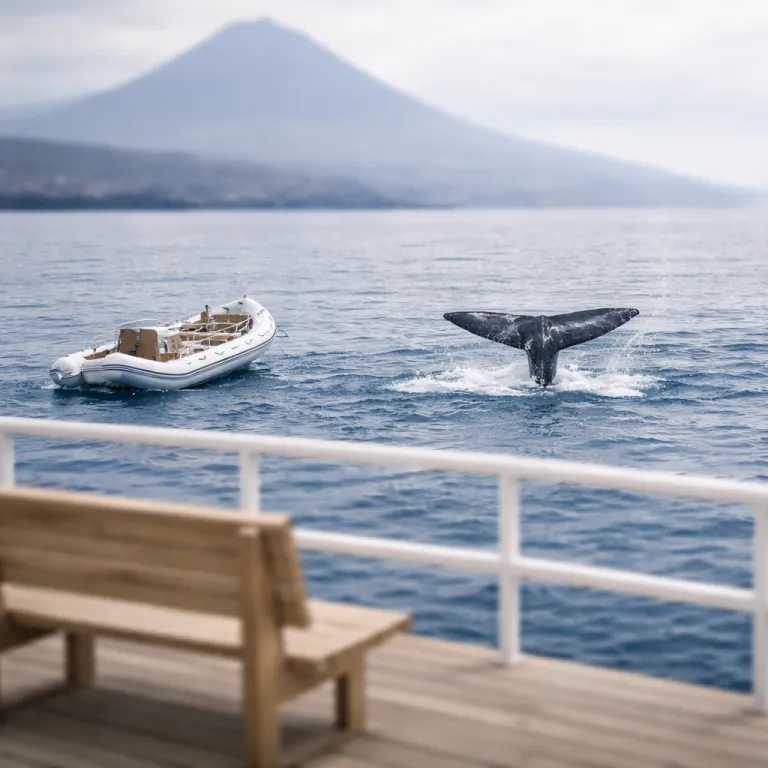
Why whale watching Azores 2026 starts with Pico, not São Miguel
For whale watching Azores 2026, the smartest luxury strategy is simple. Book your flights into the archipelago with Pico as your primary base, then hold São Miguel as a flexible second chapter for weather, culture and volcanic spa days. This Pico first approach gives solo travelers quieter harbors, fewer boats chasing the same whales and a front row seat to an older way of reading the ocean.
Pico’s vigia network still matters: land based lookouts scan the Atlantic for each whale or dolphin blow, then radio positions to operators before any tour leaves the marina. That human layer, combined with experienced crews, means your whale watching tour is shaped by real time Azores wildlife rather than fixed GPS routes, which is crucial when you are chasing migrating giants like blue whales and fin whales in open water. For a premium vacation Azores itinerary, that translates into fewer rushed encounters, more time with each species and a calmer atmosphere on board, even when several tours share the same sighting zone.
São Miguel remains essential for whale watching Azores 2026, but it works best as a second act once you have banked your Pico encounters. On São Miguel Island, you gain easy access to Ponta Delgada, the thermal valley of Furnas and the north coast around Ribeira Grande, so you can balance dolphin watching with hot springs, hiking and serious food. Think of Pico as the Azores’ best bet for focused whale watching days, then use São Miguel to stretch the trip into a richer volcanic vacation with more varied wildlife and landscapes.
Timing your trip: best time, migrating giants and real weather windows
For whale watching Azores 2026, the best time for a serious solo trip is late April through June. Those weeks align with the main migration of blue whales, fin whales and sei whales across the mid Atlantic, while resident sperm whales and playful dolphins stay year round in Azorean waters. If you can give yourself at least five to seven days between Pico and São Miguel, you will build in enough slack for Atlantic weather without sacrificing the luxury rhythm of your vacation.
Operators across the Azores describe April to October as the broad whale watching season, and regional tourism bodies echo that “April to October offers the best opportunities.” Within that window, mid May to mid June usually brings the highest overlap of blue whale, fin whale and sperm whale sightings, which is why many Azores whale specialists quietly steer returning guests toward those dates. Standard tours last three to four hours per day, with some sperm whale focused trips stretching into a half day, so plan your hotel bookings around morning departures when seas are calmer and the light is softer on the volcanic cliffs.
Weather is the variable that most first timers underestimate, especially on Pico where Atlantic swells can shut down tours for days. This is where São Miguel becomes your insurance policy: when Pico ports close, you can shift to Ponta Delgada or Vila Franca do Campo and still keep whale watching, dolphin watching or even a relaxed day trip to Salto do Cabrito, now fully walkable again and detailed in this São Miguel stay planning guide. Build your itinerary so that the most whale focused days fall early in the trip, leaving room later for hiking, hot springs and slow Azores wildlife watching if the ocean decides to rest.
Pico’s operators and hotels: how to pair boats, vigias and premium stays
On Pico, whale watching Azores 2026 revolves around three serious operators in Lajes do Pico. Terra do Pico runs small group zodiac tours with a strong naturalist presence, ideal for solo travelers who want to ask questions about each whale species without feeling lost in a crowd. CW Azores combines classic whale watching with research minded commentary, and their website at https://www.cwazores.com/ww outlines how they use vigia information and hydrophones to track sperm whales and offshore dolphin pods.
Espaço Talassa, one of the pioneers of watching Azores cetaceans, leans into the traditional vigia system and tends to attract guests who read deeply about Azores wildlife before they travel. Boats here are rarely overloaded, and the emphasis is on longer, calmer encounters with sperm whales, blue whales and fin whales rather than racing between scattered blows. For a luxury vacation Azores experience, pair these tours with design forward guesthouses or discreet wine country hotels on the island’s north coast, then rent a car for flexible access to Lajes, Madalena and the black volcanic vineyards.
If you are still weighing Pico versus São Miguel for whale watching Azores 2026, this detailed comparison of which island delivers the most atmospheric whale watching is worth a careful read. The short version is clear: Pico offers fewer boats, more direct contact with vigias and a stronger sense of being out in the open Atlantic with migrating giants. São Miguel counters with easier flights, more hotel choice and a broader menu of day tours, so the most rewarding itineraries simply use both islands in sequence.
São Miguel strategy: Ponta Delgada, Ribeira Grande and thermal luxury between tours
São Miguel is where whale watching Azores 2026 meets volcanic spa culture, serious food and a denser hotel scene. Base yourself in Ponta Delgada for early morning departures with Futurismo Azores Adventures or Azores Whale Watch, both of which run regular whale watching tours with marine biologists on board. These operators report a regional whale watching success rate of roughly 95–98 percent for sightings of whales or dolphins, which means that on most days you will see cetaceans during a standard tour.
From Ponta Delgada, it is an easy drive to Ribeira Grande on the north coast, where Atlantic swells crash against dark cliffs and the air smells faintly of tea plantations. Staying near Ribeira Grande works well if you want to combine whale watching with hiking, surf sessions or a quiet day exploring the reopened Salto do Cabrito trail, then return to a refined hotel with a good wine list. For travelers who prefer hot springs to surf, the Furnas valley offers a different kind of luxury, and this honest thermal spring hotel guide is a reliable starting point for choosing where to sleep between tours.
São Miguel’s operators, including Futurismo and Azores Whale Watch, typically run three to four hour tours focused on sperm whales, blue whales, fin whales and several dolphin species. Some also offer dedicated dolphin watching trips or mixed whale and dolphin itineraries, which can be gentler for those prone to seasickness because they stay closer to the island’s lee. When you plan your vacation Azores schedule, alternate heavy sea days with land based activities like crater lake hikes, tea plantation visits or slow lunches in Ponta Delgada, so the rhythm feels indulgent rather than exhausting.
Responsible whale watching: what to ask before you book your luxury hotel and tour
Luxury in whale watching Azores 2026 is not just about the hotel thread count. It is about choosing operators who respect distance rules, limit the number of boats per sighting and treat each whale as wildlife rather than entertainment. Before you confirm your reservation, read the operator’s guidelines carefully and ask direct questions about how they manage sperm whales, blue whales and mixed whale–dolphin groups when several tours converge on the same animals.
A responsible operator will keep a trained naturalist or marine biologist on every tour, follow IUCN inspired approach distances and cap the number of boats allowed near a single whale or dolphin pod. Many in the Azores now use hydrophones to listen for sperm whale clicks, which reduces random searching and shortens the time spent circling at sea. The regional context matters: the Azores host more than twenty cetacean species, and guided tours aim to “observe various whale species, learn about marine life from experts and promote sustainable tourism” while supporting local research institutions.
Look for clear cancellation and refund policies, especially for April and June departures when Atlantic weather can be changeable. Some operators in the Azores advertise guaranteed sightings or free rebooking if no whales or dolphins appear, and their terms usually specify whether the guarantee covers only cetaceans or includes other marine life. When you align a high quality hotel with a serious operator, you protect both your vacation budget and the animals you came to see, turning each day on the water into a considered extension of your Azores wildlife values rather than a rushed box ticking exercise.
Practicalities for solo travelers: packing, seasickness and structuring your hotel bookings
For whale watching Azores 2026, pack as if you were heading into a windy shoulder season, even when the forecast looks kind. The Atlantic around Pico and São Miguel can feel several degrees cooler than the air, so bring a waterproof shell, a warm mid layer and quick drying trousers for all tours. On deck, you will be grateful for a hat with a strap, polarized sunglasses and a small dry bag to protect your phone and camera from spray.
Seasickness is the quiet trip killer, especially on smaller zodiacs that offer the most intimate whale watching experiences. If you are prone to motion sickness, speak with a pharmacist before your flights and test any medication at home, then choose a larger catamaran for your first day at sea before committing to more exposed tours. Eat a light, non greasy breakfast, avoid strong coffee just before boarding and sit near the stern where movement is gentler, keeping your eyes on the horizon rather than on your phone or camera screen.
Structuring hotel bookings around whale watching means building in buffers rather than chasing the cheapest single night rates. On Pico, allow at least three full days to catch a good weather window for sperm whales, blue whales and fin whales, then add another two or three nights on São Miguel for flexibility and culture. Solo travelers often find that a week to ten days between São Miguel Island and Pico gives enough time for multiple tours, a few land based adventures and the kind of slow evenings that make a vacation Azores stay feel genuinely restorative.
Key figures for whale watching Azores 2026
- The Azores host around 28 cetacean species, making the archipelago one of the most diverse whale watching regions in the North Atlantic, according to figures shared by Azores Whale Watch and regional marine research groups.
- Regional operators report a whale watching success rate close to 95–98 percent for sightings of whales or dolphins on tours, based on internal statistics from companies such as Futurismo Azores Adventures.
- The main season for migrating giants such as blue whales and fin whales runs from March to July, overlapping with the broader April to October whale watching window used by most Azores operators.
- Standard whale watching tours in the Azores last three to four hours, while specialist sperm whale trips can extend to half day outings, which affects how many departures you can realistically fit into a single vacation day.
- Four cetacean species, including sperm whales and several dolphin species, are considered resident year round in Azorean waters, giving travelers a strong chance of encounters even outside the peak migration months.
FAQ about whale watching and luxury stays in the Azores
What is the best time for whale watching in the Azores for a luxury trip ?
The broad whale watching season in the Azores runs from April to October, with late April to June offering the best overlap of migrating blue whales, fin whales and resident sperm whales. For a luxury focused itinerary, aim for mid May to mid June, when sea conditions are often calmer and hotel options on Pico and São Miguel are fully open but not yet at peak summer crowds. This timing gives you more flexibility to reschedule tours around weather while still enjoying premium properties and quieter restaurants.
Are whale sightings guaranteed on Azores tours ?
No operator can ethically guarantee specific species such as blue whales or sperm whales on a given day, because wildlife movements are naturally unpredictable. However, some companies in the Azores offer guaranteed sightings or free rebooking if no whales or dolphins are seen, which reduces the risk for travelers planning several tours. Always read the terms carefully and confirm whether the guarantee covers only whales or includes dolphins and other wildlife as well.
Which island is better for whale watching, Pico or São Miguel ?
Pico generally offers a more focused whale watching atmosphere, with an active vigia network, fewer boats and a strong tradition of reading sperm whale blows from land based lookouts. São Miguel excels in accessibility, with more flights, a wider range of hotels and easier access to other activities such as hot springs, crater lakes and coastal hikes. The most rewarding whale watching Azores 2026 itineraries usually combine both islands, starting with Pico for concentrated encounters and finishing on São Miguel for flexibility and comfort.
How long should I stay in the Azores for whale watching ?
For serious whale watching combined with premium hotel stays, plan at least seven days in the Azores, splitting time between Pico and São Miguel. This duration allows for three or four separate tours, plus buffer days in case weather cancels departures, without compressing your schedule into a stressful sequence of early mornings. Travelers with ten days can add extra nights in Furnas or Ribeira Grande, weaving in hiking, spa time and slow coastal drives between days at sea.
Can I swim with dolphins during a whale watching vacation in the Azores ?
Yes, several operators in the Azores offer regulated swim with dolphins experiences, but these usually run in a different season from the peak blue whale and fin whale months. Regional guidance notes that “yes, during the October to April season” you can swim with dolphins, which means you should not expect this activity to align perfectly with the main migrating giants calendar. If swimming with dolphins is a priority, build a separate shoulder season trip, or accept that your whale watching Azores 2026 journey will focus more on observation than in water encounters.