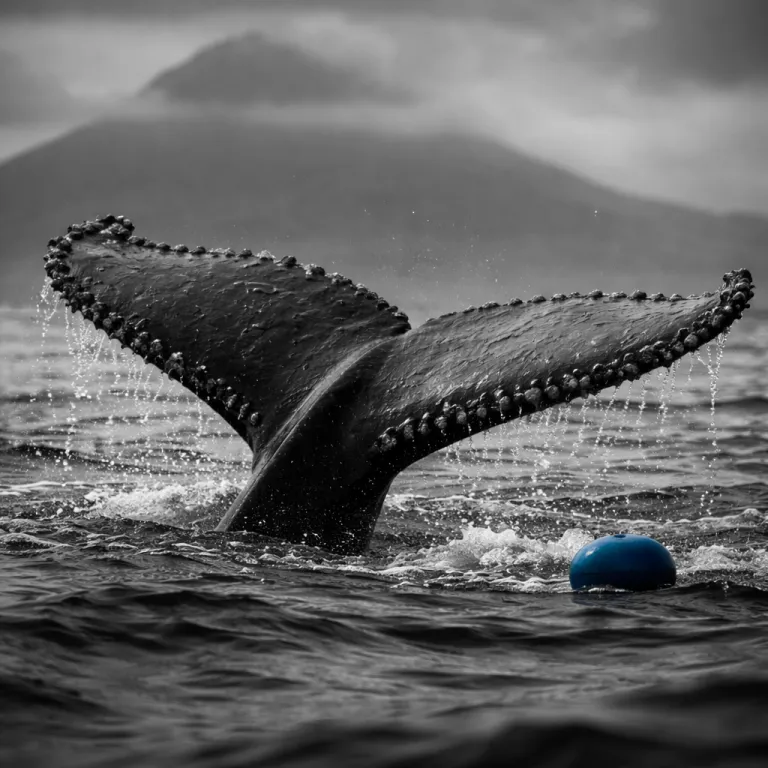
Why whale watching Azores 2026 starts with booking Pico first
For whale watching Azores 2026, the smartest luxury move is simple. Book your flights and hotel on Pico Island first, then use São Miguel as your flexible second base for extra days on the water. This Pico first strategy gives solo travelers better access to whales, fewer boats around each whale or dolphin encounter, and a calmer rhythm that suits premium stays.
Pico still uses the traditional vigia network, the land based lookout towers where spotters read each sperm whale blow against the Atlantic horizon. Those vigias guide the boats in real time, which means your tour operator will not waste a day zigzagging blindly across open ocean. With fewer departures than on São Miguel and the rest of the archipelago, individual whales and dolphins are not surrounded by a crowd of vessels, which is better for Azores wildlife and for your photographs.
Luxury travelers planning a vacation in the Azores often start with São Miguel because of direct flights and larger hotels. For whale watching Azores 2026, reverse that instinct and treat Pico as the Azores best base for serious encounters with blue whales, fin whales and sperm whales during the peak months. You can then add a refined São Miguel stay at the end of your vacation Azores itinerary, using it for spa time, volcanic hot springs and a backup whale watching day if the mid Atlantic weather closes Pico’s harbor.
Planning your calendar: the best time and ideal length of stay
The calendar for whale watching Azores 2026 is already written in the migration patterns. The best time for the great migrating giants such as blue whales, fin whales and sei whales runs from early spring into summer, with April, May and June offering different moods on the water. Aim for at least four full days on Pico and three on São Miguel, giving you enough day to day flexibility for weather and multiple tours.
From April onwards, operators on Pico and São Miguel report a sharp rise in sightings of blue whales and other large species moving through the deep channels between the islands. Data shared by Azores Whale Watch and Futurismo Azores Adventures indicates that “April to October offers the best opportunities to see various whale species.” By June, the focus shifts slightly toward resident sperm whales and playful dolphins, with sperm whale specialist tours often running as half day trips that allow you to return to your hotel for a late lunch.
Solo travelers who want both whales and land based experiences should structure their vacation Azores plan around this marine calendar. Spend your first days on Pico chasing Azores whale encounters in the morning, then walk the volcanic vineyards in the afternoon or relax at your hotel pool. When you move to São Miguel, you can balance a final whale watching tour with time in Ponta Delgada, a detour to Ribeira Grande on the north coast, and perhaps a scenic drive across São Miguel Island to the crater lakes before your return flights.
Pico or São Miguel for atmospheric whale watching is the key strategic question, and for whale watching Azores 2026 the answer is to combine both islands with Pico leading.
Choosing your island base: Pico’s vigias and São Miguel’s safety net
On Pico, the entire rhythm of whale watching still orbits around the vigia towers that dot the coastline. From these whitewashed lookouts, spotters scan for whales and dolphins and relay positions to skippers, creating a low tech, high skill system that feels very different from mass market tours elsewhere. This human layer of expertise is a major reason why Pico remains the Azores best island for serious whale watching Azores 2026 itineraries.
Three operators anchor the Pico scene for discerning travelers. CW Azores runs small group tours with a strong naturalist focus and clear respect for Azores wildlife, while Espaço Talassa in Lajes do Pico pioneered responsible whale watching in the region and still offers some of the most thoughtful sperm whale and dolphin watching briefings. Terra do Pico tends to attract guests from nearby premium guesthouses, offering flexible day tours that fit neatly around long lunches and slow evenings in the harbor village.
São Miguel plays a different role in your whale watching Azores 2026 plan. Here, Futurismo Azores Adventures and Azores Whale Watch operate from Ponta Delgada, while Terra Azul runs dolphin watching and whale and dolphin trips from Vila Franca do Campo, giving you more departure points and a higher chance that at least one harbor will be open on any given day. If wind shuts down Pico, your São Miguel days become a weather hedge, and you can fill any cancelled tour day with a hike to Salto do Cabrito or a drive to Ribeira Grande, especially now that the Salto do Cabrito trail is fully walkable again.
Operator shortlists and what luxury travelers should look for
For whale watching Azores 2026, think of your tour operators as carefully as you think of your hotel. On Pico, CW Azores, Espaço Talassa and Terra do Pico all run small group tours that suit solo travelers who prefer conversation with guides over loud commentary. On São Miguel, Futurismo Azores Adventures and Azores Whale Watch in Ponta Delgada, plus Terra Azul near Vila Franca do Campo, offer a mix of larger catamarans and faster zodiac boats, each with different comfort levels.
A responsible operator will brief you clearly on the species you might see, from resident sperm whales and common dolphins to seasonal blue whales and fin whales passing offshore. They should follow IUCN distance guidelines, limit the number of boats around each whale, and keep the duration of each close approach short enough to respect the animals. Many of the better companies partner with local marine research institutions and conservation organizations, using hydrophones to listen for sperm whale clicks and sharing data on Azores wildlife sightings across the archipelago.
Look for tours that cap group sizes, guarantee a trained naturalist on board, and publish transparent cancellation and refund policies for days when the Atlantic is simply too rough. Several established operators in the Azores report whale watching success rates in the mid to high ninety percent range on regular tours and note that “Operators often have high success rates, some offering free tours if no whales are seen.” For a premium experience, choose morning departures when the light is softer, then return to your hotel for a long lunch, a spa treatment or a quiet afternoon by the pool, turning each whale watching day into a full, layered experience rather than a rushed excursion.
What to expect on the water: species, sea conditions and real timings
A standard whale watching tour in the Azores lasts around three to four hours. Specialist sperm whale trips can stretch to a half day, especially when the vigia has located several family groups spread across a wide area. For whale watching Azores 2026, plan your energy and meals around these timings so that each day on the ocean feels measured rather than exhausting.
Across a typical week in the Azores, you might encounter a surprising range of species. Local research partners and operators describe more than two dozen cetacean species recorded in these waters, with four resident species staying close to the islands in all seasons and many more passing through as migrating giants between April and June. Blue whales, fin whales and sei whales dominate the early season, while sperm whales, pilot whales and several dolphin species, including common and bottlenose dolphins, are more frequently seen later in the year.
Sea conditions can change quickly around these volcanic islands, and even on calm days the swell can feel heavy to those unused to open water. Choose a seat toward the stern of the boat if you are prone to seasickness, eat a light snack before departure, and avoid alcohol on any whale watching day. The best time to photograph whales and dolphins is often when the boat is drifting quietly with engines low, so keep your camera ready but also allow yourself moments to simply watch the Azores wildlife without a lens, especially when a blue whale surfaces close enough that you can read the subtle mottling on its flank.
Packing, pricing and pairing your hotel with the right experience
Luxury travelers planning whale watching Azores 2026 should pack with the North Atlantic in mind, not a tropical lagoon. Even in June, early morning departures from Pico or São Miguel can feel cool, especially when the boat accelerates toward a distant sperm whale blow. A windproof jacket, layered clothing, non slip shoes and a dry bag for your camera will make each day on the water more comfortable.
Prices for whale watching tours in the Azores vary by island, boat type and group size, but expect standard three hour trips to sit comfortably within a mid range excursion budget, with private charters and specialist sperm whale or dolphin watching experiences commanding a premium. When you compare options, factor in not only the ticket price but also the value of smaller groups, experienced naturalists and partnerships with research institutions, which all contribute to a richer understanding of Azores wildlife. For solo travelers, joining a small group tour can be more sociable and cost effective than booking a private boat, while still feeling intimate enough to ask detailed questions about each whale and dolphin encounter.
Back on land, align your hotel choices with your daily rhythm at sea. On Pico, choose a property within a short drive of Lajes do Pico or Madalena so that early departures do not require a long pre dawn commute, and look for rooms with views across the channel where you can sometimes spot whales from shore. On São Miguel, consider pairing your whale watching days with a stay at a refined spa property, using guides such as this overview of Azores luxury spa hotels and premium wellness escapes to find a base that lets you move easily between Ponta Delgada, Ribeira Grande and the island’s volcanic hot spring valleys.
Key statistics for whale watching in the Azores
- Local marine biologists and operators report that more than two dozen cetacean species have been documented in Azorean waters, making the archipelago one of Europe’s richest whale and dolphin watching regions according to Azores Whale Watch and other research partners.
- Leading operators such as Futurismo Azores Adventures describe whale watching success rates on regular tours that typically fall in the mid to high ninety percent range, a figure that underpins the common practice of offering a free repeat trip if no whales are seen, subject to each company’s terms.
- The main whale watching season in the Azores runs from April to October, covering both the passage of migrating giants like blue whales and fin whales and the presence of resident sperm whales and dolphins.
- Standard whale watching tours typically last three to four hours, while specialist sperm whale or research focused trips can extend to half day experiences that require more careful planning of meals and clothing.
- Multiple departure points across São Miguel, including Ponta Delgada and Vila Franca do Campo, and on Pico, particularly Lajes do Pico, increase the likelihood that at least one harbor will operate even when local weather disrupts some tours.
FAQ about whale watching and luxury stays in the Azores
What is the best time for whale watching in the Azores ?
The most reliable window for whale watching in the Azores runs from April to October, when both migrating giants such as blue whales and fin whales and resident sperm whales and dolphins are regularly sighted. Early season months bring more large baleen whales, while late spring and summer offer warmer conditions and frequent encounters with sperm whales and playful dolphins. For a balanced experience, plan your trip for mid May to mid June and allow several days on each island.
Are whale sightings guaranteed on Azores tours ?
No operator can guarantee whales on every single day, but the combination of experienced skippers, vigia spotters and rich Azores wildlife means success rates are very high. Some companies state that “Operators often have high success rates, some offering free tours if no whales are seen.” When booking, read the terms carefully and choose operators who are transparent about both their statistics and their rebooking policies.
How many days should I spend on Pico and São Miguel for whale watching ?
For a focused whale watching Azores 2026 itinerary, aim for at least four days on Pico and three on São Miguel. This gives you enough flexibility to reschedule tours if weather cancels a departure and still enjoy land based activities such as hiking, hot springs and vineyard walks. Solo travelers who want extra time for photography or multiple encounters with specific species like sperm whales may prefer to add one or two additional days on Pico.
What should I bring on a whale watching tour in the Azores ?
Bring warm, layered clothing, a windproof jacket, non slip shoes and sunscreen, even on cloudy days. A camera with a zoom lens, a dry bag, and any seasickness remedies you trust will make the experience more comfortable, especially on longer sperm whale or dolphin watching trips. Operators often recommend that guests “Bring warm clothing, sunscreen, and a camera.”
How do I choose a responsible whale watching operator in the Azores ?
Look for companies that limit group sizes, follow international distance guidelines around whales, and always carry a trained naturalist on board. Responsible operators often collaborate with research institutions, use hydrophones to locate sperm whales, and provide clear briefings on how to behave around Azores wildlife. Before booking, read recent reviews, check their cancellation policy for rough days, and confirm that they avoid chasing or crowding whales and dolphins during each tour.