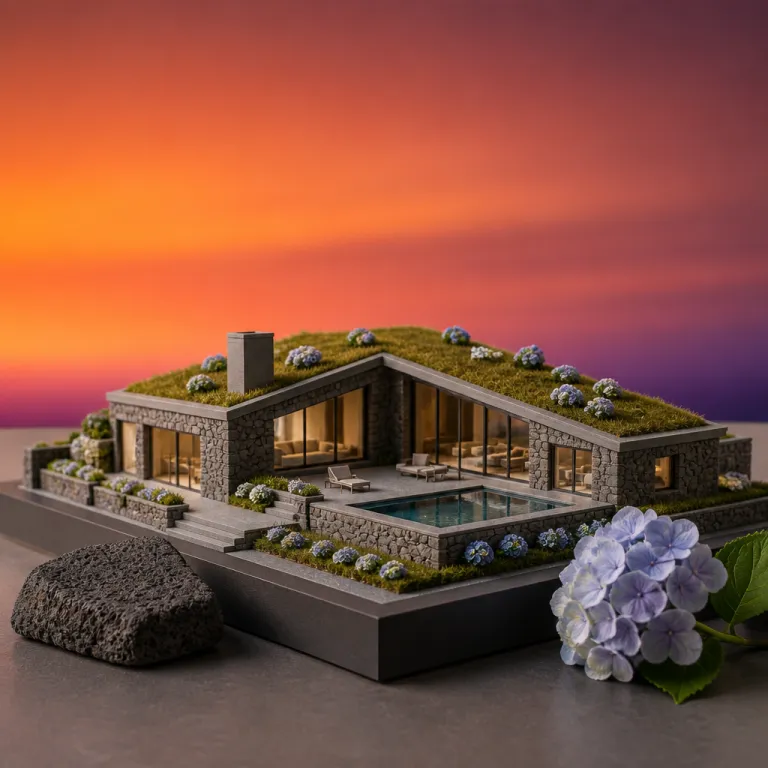
Reading a hotel through its architect in the Azores
On the island group of the Azores, one of the most reliable ways to choose a hotel is to start with the architect. Before you compare spa menus or calculate the distance to the beach, read the design language that shapes every room, courtyard and circulation route. For business leisure travelers balancing meetings, hot springs and Atlantic weather, understanding how Azores hotel design studios work turns a simple booking into a strategic decision.
Across São Miguel Island and the wider Azores, a small circle of architects and interior practices now defines what a contemporary luxury property looks and feels like. Their work stretches from a quiet house conversion above a rocky beach to a full scale design hotel with panoramic horizons over the Atlantic. When you see a hotel listing in the Azores that mentions basalt stone, a specific interior design studio or a named architect, you are already reading a coded promise about light, acoustics, privacy and how guests enjoy the space after dark.
Atelier SAL and Quiet Studios sit at the center of this shift, joined by practices such as Sami Arquitectos and photographers like Francisco Nogueira, who document the new architecture for international audiences. These Azorean hotel architects treat each island as a separate landscape brief, not a generic resort canvas. For travelers, that means the same chain of hotels can feel radically different from São Miguel to a smaller island outpost, even when the room size and nightly rate look identical online.
Atelier SAL: basalt, light and the new Azorean minimalism
Atelier SAL is the firm most associated with the basalt inspired wave of contemporary Azores hotel architecture. Their work on projects such as Villa Sal on São Miguel, designed for a private client and completed in the late 2010s according to the studio’s own portfolio, shows how volcanic stone, when handled with restraint, can make a room feel both grounded and quietly luxurious. Instead of decorative overload, you get beautifully composed planes of dark stone, pale wood and glass that frame the Atlantic rather than compete with it.
In practical terms, basalt in a hotel room changes how light behaves across the day. The stone absorbs glare from the ocean view while its texture softens the echo that hard surfaces usually create in coastal hotels. On humid days when Atlantic mist rolls over the property, these materials outperform lighter plaster finishes that can stain or crack, which is why so many new hotels on São Miguel and other islands now follow this architectural vocabulary. As one project description from Atelier SAL puts it, the ambition is to let the volcanic stone carry the visual weight while the house almost disappears into the landscape.
Atelier SAL’s approach extends beyond the private room into every courtyard and shared house like space. Circulation paths are kept short, so a business traveler can move from a meeting area to a quiet terrace in seconds, and the landscape is always present through framed views toward the Atlantic or the interior of the island. When you see Atelier SAL listed among the design credits on a property page or in a photography caption, expect a calm, minimal aesthetic that privileges silence, tactility and long term durability over short lived design awards.
Quiet Studios: interiors that make volcanic architecture feel soft
If Atelier SAL sets the architectural bones, Quiet Studios often provides the interior design that guests actually touch. The studio, led by designer Daniela Franceschini and known for hospitality work in Portugal, has become a reference name in Azorean accommodation for its role in the White Exclusive Suites & Villas renovation on São Miguel and other luxury properties documented in design media. Their palette leans toward natural woods, earthy textiles and organic textures that temper the visual weight of basalt and concrete.
In a Quiet Studios room, you will notice how every surface negotiates with the surrounding landscape. Sofas sit low to keep the ocean view uninterrupted, woven rugs warm up stone floors and linen curtains filter the intense Atlantic light without blocking it. This is not decorative styling for photographs; it is a functional response to the humidity, salt air and shifting weather that define the Azores throughout the year, and it reflects the studio’s broader portfolio of coastal and rural retreats.
The studio’s interiors also respect the rhythm of a business leisure stay, where a guest might take a video call in the morning and soak in nearby hot springs by afternoon. Desks are properly lit and ergonomically placed, yet they can visually disappear when you close the laptop and turn toward the beach or courtyard. When a hotel in the Azores credits Quiet Studios alongside the architectural team, you can expect spaces that feel both beautifully designed and genuinely livable for stays that stretch beyond a single night.
From azulejos to basalt: how Azorean hotel design evolved
The current generation of Azores hotel design specialists did not appear in a vacuum. Earlier luxury hotels in the region leaned heavily on mainland Portuguese references, especially blue and white azulejo tiles and more classical interior gestures. Those properties still have charm, but they often feel more like Lisbon on the Atlantic than São Miguel or São Jorge in their own right, and their layouts usually follow older resort models with larger dining rooms and more formal lounges.
As tourism grew and the number of high end properties increased, architects and hoteliers started asking harder questions about place. Why import marble when basalt is literally underfoot, and why ignore the agricultural landscape when a winery hotel could frame vineyards and stone corrals as its main attraction. Practices such as Sami Arquitectos, known for projects on Pico Island documented in architecture journals, and newer studios like Atelier SAL began to answer these questions with properties that treat each island as a distinct landscape rather than a generic resort backdrop.
Photography also played a role, with professionals such as Francisco Nogueira documenting this shift and helping hotels communicate their architecture to a global audience through magazines and online portfolios. When you see the name Francisco Nogueira attached to a project in the Azores, you are usually looking at a property where the architect and interior team cared deeply about how the house, courtyard and surrounding landscape speak to each other. For travelers scanning hotel listings, these names function almost like informal awards, signaling that the property belongs to the new Azorean design language rather than an older, more anonymous era of construction.
What basalt inspired design means for your stay
Basalt inspired architecture sounds poetic, but it has very concrete implications for how guests enjoy a stay. In a well executed Azores hotel by architects such as Atelier SAL or Sami Arquitectos, basalt is used where its density and texture add comfort, not just drama. Floors stay cool underfoot in summer, walls feel solid against Atlantic storms and courtyards become sheltered microclimates rather than wind tunnels, especially when combined with deep eaves and carefully oriented openings.
Humidity is the quiet enemy of every property in the Azores, especially on São Miguel, the largest island in the archipelago. Porous materials and poorly detailed balconies age quickly, which is why the best design led hotels now combine basalt with treated local woods, high quality metals and carefully ventilated interiors. This mix allows hotels to maintain crisp lines and beautifully finished surfaces even after years of salt laden air and constant temperature shifts, a pattern confirmed in case studies of long running properties that have undergone sensitive renovations.
For business leisure travelers, these choices translate into reliable comfort and fewer maintenance surprises during a stay. A room that faces the ocean view but uses deep window reveals and robust frames will handle Atlantic winds without rattling, while a courtyard oriented toward the interior of the island can offer calm space for calls or reading. When comparing hotels, look for mentions of basalt, local wood and specific architect names; they are more predictive of long term quality than generic claims about design hotel style or international awards.
How to read a design brief before you book
Most travelers skim photos and room sizes, but Azorean architects and interior designers leave a trail of clues that reward a closer read. Start with the architecture and interior design credits on the hotel website or booking platform, then cross reference them with known names such as Atelier SAL, Quiet Studios or Sami Arquitectos. If a property highlights its landscape integration, courtyard planning and use of local materials, you are likely looking at a serious design hotel rather than a cosmetic renovation.
Next, examine how the property describes its relationship to the beach, hot springs or surrounding house clusters. A hotel on São Miguel that frames itself around geothermal pools, like the long established Terra Nostra Garden Hotel in Furnas, will offer a very different rhythm of stay from a clifftop retreat focused on Atlantic views and whale watching. For a deeper sense of how this plays out in practice, look for an in depth review of Terra Nostra Garden Hotel that explains how architecture, gardens and thermal water shape the guest experience across seasons.
Finally, pay attention to small operational details that reveal whether a property’s beautifully designed spaces work for business leisure needs. Is there a quiet room type set back from the ocean for early calls, or only dramatic sea view suites exposed to wind and surf noise. Does the hotel mention winery style meeting rooms, flexible courtyards or shaded terraces where guests enjoy both work and leisure without retreating to their bedrooms; these are the questions that turn a design forward property into a genuinely functional base in the Azores.
Next generation projects and where design is heading
The design wave led by Atelier SAL and Quiet Studios is still building across the Azores. Local authorities report a steady increase in luxury properties, and the most interesting new hotels tend to involve architects who already understand basalt, humidity and the Atlantic climate. Expect more small scale properties that feel like a contemporary house or courtyard cluster rather than a single monolithic block, often with fewer rooms but more generous shared spaces.
On São Miguel and other islands, upcoming projects often pair a restrained architectural shell with warmer interior design that borrows from winery hotel typologies and rural farmhouses. Timber ceilings, deep verandas and sheltered courtyards will become more common, allowing guests to enjoy both the landscape and privacy without constant exposure to wind. Studios such as Atelier SAL are likely to keep refining this balance, while interior specialists like Quiet Studios continue to soften volcanic architecture with textiles and furniture that age gracefully in Azorean conditions.
For travelers, the practical takeaway is simple yet powerful. When you see a new hotel listing in the Azores that names its architect, highlights basalt and wood, and shows courtyards oriented to both the ocean view and the interior landscape, you are probably looking at the next chapter of Azorean hospitality. In the words of one local summary that captures this shift, Atelier SAL and Quiet Studios are now widely cited as key authors of the region’s most distinctive luxury properties.
FAQ: architects and design led hotels in the Azores
Who are Atelier SAL and Quiet Studios in the context of Azorean hotels?
Atelier SAL is an architectural firm that designs luxury properties in the Azores and mainland Portugal, while Quiet Studios is an interior design studio known for refined, natural material palettes in hospitality and residential projects. Both work with local craftsmen and hospitality experts to blend contemporary architecture with Azorean heritage. Their names on a project signal a serious commitment to place specific design rather than generic resort styling.
Why should I care who designed my hotel in the Azores?
On islands exposed to strong Atlantic weather and high humidity, good architecture directly affects comfort, acoustics and durability. Azores based architects who understand basalt, ventilation and landscape orientation can create rooms and courtyards that stay quiet, dry and pleasant throughout the year. For business leisure travelers, this means more reliable workspaces, better sleep and fewer maintenance related disruptions during a stay.
How does basalt inspired design change the room experience?
Basalt inspired design uses volcanic stone strategically in floors, walls and exterior paths to manage light, sound and temperature. In a well detailed room, basalt absorbs glare from the ocean view, reduces echo and stays cool underfoot without feeling harsh. Combined with warm woods and textiles, it creates a calm, grounded atmosphere that feels specific to São Miguel and the wider Azorean context.
Are older Azorean hotels without named architects still worth booking?
Many earlier hotels in the Azores offer generous room sizes, established gardens and central locations, even if they lack a headline architect. These properties often feature more traditional Portuguese elements such as azulejo tiles and classic furniture, which some guests enjoy. When evaluating them, focus on recent renovations, maintenance standards and how well they handle humidity and Atlantic storms rather than design awards alone.
How can I quickly assess design quality when booking online?
Look for clear credits to architects or interior design studios, mentions of basalt and local wood, and thoughtful descriptions of courtyards, landscape integration and orientation to the Atlantic. Photos should show consistent detailing across rooms and public areas, not just a few staged corners. If a property communicates its design story with the same care as its spa or restaurant, it usually reflects a deeper level of investment in the overall guest experience.