Citizen science Azores family stays: why they matter more than another tour
Families drawn to the Azores for whale watching often want more than a boat ride. Citizen science gives parents and children the chance to turn fleeting sightings of whales and dolphins into meaningful conservation work that children can actually understand. On São Miguel and Faial Island, a handful of luxury and premium properties now weave structured marine research into their stays, so your watching trip becomes part of a long term project rather than a single morning at sea.
These programmes move beyond passive whale watching excursions and invite children to help record data on cetaceans, seabirds and other marine animals under professional supervision. Instead of another generic cruise, a small group joins marine biologists to log species, note behaviour and learn how data collection supports conservation of sperm whales, blue whales and fast moving dolphin encounters. Parents consistently report that this blend of comfort, purpose and gentle structure keeps older children engaged for days, not just for the time they are on the boat.
Citizen science works especially well for families because tasks are concrete, short and clearly linked to visible results. When children help photograph a sperm whale fluke or count whales and dolphins from a vigia tower, they see immediately how their observations feed into a wider conservation project. That sense of contribution is far stronger than on many educational excursions, where children listen, watch and then forget the details before they have even left the sea.
From vigia towers to whale photo ID: how families actually help
The Azores’ vigia towers, once used by whalers to track the blow of a sperm whale, now anchor some of the most accessible citizen science activities for families. Children old enough to handle binoculars can join shore based watches, scanning the sea for whales, dolphins and other cetaceans while guides explain how each sighting is logged as structured data and added to long term records. These sessions often run as half day expeditions, leaving plenty of time for poolside decompression back at your hotel.
On São Miguel, several watching companies partner with marine biologists to run whale photo identification outings that welcome families. A typical morning might be spent on a stable boat photographing blue whales, sperm whales and agile dolphin pods, then uploading images that help confirm which individuals are present on specific dates. Over multiple expeditions across several days, children begin to recognise distinctive dorsal fins and understand why long term catalogues matter for conservation; for example, researchers working from Horta have identified hundreds of individual sperm whales in the central group of islands since the 1990s.
Some premium properties coordinate directly with operators such as Futurismo or CW Azores, arranging small group whale watching Azores departures that prioritise data collection over speed chasing. These curated watching trips typically cap numbers at around a dozen participants, so families can move around the boat safely while still focusing on behaviour and respectful distances from marine animals. For a deeper planning overview of the peak season for blue whales and other migratory species, see our dedicated guide to whale watching in the Azores’ prime spring window, when baleen whales are most frequently recorded between March and early June.
Designing a family day: conservation mornings, slow afternoons, logbook nights
The most successful citizen science Azores family itineraries follow a simple rhythm that respects children’s energy. Mornings are for focused conservation activity, whether that means a dolphin watching survey, a shore based whale count or a beach cleanup coordinated through your hotel’s sustainability team. Afternoons are deliberately slow, with time for the pool, a short walk along the sea or a quiet visit to a local café before the evening debrief.
Several luxury properties on São Miguel now offer family friendly beach cleanup mornings, often in partnership with local NGOs and the University of the Azores. Children collect and sort marine debris, learn how plastic affects whales, dolphins and other species, and help record data that feeds into regional conservation strategies. Back at the hotel, staff encourage families to log their findings in simple notebooks, turning each day’s project into a narrative that stretches across the full duration of the trip; as one parent put it after a week on São Miguel, “Our kids came home talking about microplastics and whale flukes instead of just the hotel pool.”
On Faial Island, where the channel between islands funnels marine animals close to shore, some premium stays pair morning whale watching expeditions with afternoon visits to interpretation centres. Here, a citizen science oriented family can see how their data collection supports long term monitoring of sperm whales, blue whales and mixed groups of whales and dolphins. For a broader perspective on why these citizen scientist itineraries are becoming the quiet luxury shift in the archipelago, explore our feature on citizen science led travel in the Azores, which highlights how small scale projects and low impact activities are reshaping premium stays.
Where to stay: properties building real family volunteer programmes
Only a small number of Azores properties currently offer structured citizen science for families, and that scarcity is part of their appeal. On São Miguel, a handful of five star hotels near Ponta Delgada and Vila Franca do Campo now schedule half day whale watching Azores outings that double as data collection sessions. These are not generic excursions; they are pre arranged small group departures where marine biologists brief families on the project before anyone steps onto the boat.
Faial Island, with its deep channel and strong whaling heritage, hosts several stays that work closely with researchers focused on sperm whales and other deep diving cetaceans. Here, families might alternate between whale watching expeditions, visits to the whaling museum and evenings spent reviewing photographs with on site experts. Properties that partner directly with research teams often provide access to talks on marine conservation, explaining how long term datasets shape policy for protecting whales, dolphins and wider biosphere health.
For travellers who want their stay to contribute directly to active sperm whale research, we maintain a curated list of properties working with marine biologists on sperm whale projects. These hotels typically limit citizen science activities to older children, usually from ten years, and keep group sizes intentionally small to avoid overwhelming the animals or the researchers. When you book, ask explicitly how your family will help collect data on species, what kind of dolphin or whale encounters are realistic, and how the hotel ensures that conservation remains the priority.
What works for children, what does not: age thresholds and wrong turns
Citizen science only works for families when tasks are age appropriate and clearly framed. Most Azores programmes set a minimum age of ten for boat based whale watching expeditions that involve structured data collection, though some shore based counts accept children from eight for shorter sessions. Parents should be wary of any watching companies that promise intense whale watching or dolphin watching thrills for very young children while also claiming serious scientific aims.
The best designed activities for a citizen science Azores family are short, specific and varied across days, so children never feel trapped in a repetitive project. One morning might focus on photographing sperm whales and blue whales from a stable boat, another on counting whales and dolphins from a vigia tower, and a third on logging marine animals during a gentle coastal walk. Rotating between sea based and land based tasks helps maintain attention while still contributing to long term datasets on multiple species.
Programmes go wrong when children are given tedious logging duties with no visible link to real conservation outcomes. Tasks that involve hours of screen based data entry, or long periods of waiting on a choppy sea without clear explanations, quickly sour a watching trip for younger participants. As one set of programme guidelines from the United States puts it, “How can families participate in these programs? By registering through the respective program websites”; the same principle applies in the Azores, where clear communication about time commitments, age limits and expectations is essential before you book.
FAQ
How old should children be to join citizen science whale trips in the Azores ?
Most structured citizen science whale watching in the Azores sets a minimum age of around ten years for boat based expeditions. Some shore based counts and beach cleanups accept children from eight, provided parents stay closely involved. Always confirm age thresholds with your hotel and the operator before committing to specific dates or multi day projects.
What does a typical citizen science Azores family day look like ?
A common pattern is a focused conservation activity in the morning, such as a small group whale watching trip with data collection or a beach cleanup coordinated through your hotel. Afternoons are usually left free for rest, swimming or gentle walks along the sea, so children can decompress. Evenings often include a short logbook session, where the family notes which species they saw, what data they helped collect and how this supports long term marine conservation.
Do families need scientific experience to contribute useful data ?
No prior expertise is required, because marine biologists and trained guides explain each task in clear steps. Families are usually responsible for simple but valuable contributions, such as photographing sperm whales and blue whales, counting whales and dolphins from shore or recording basic environmental data. The key is to follow instructions carefully so that every sighting is logged in a consistent way.
How can we choose a responsible whale watching company or hotel partner ?
Look for watching companies and hotels that cap group sizes, prioritise animal welfare and work with recognised research institutions such as the University of the Azores. Responsible operators emphasise conservation, explain how your data will be used and avoid chasing marine animals or promising guaranteed close encounters. When in doubt, ask directly about their long term projects on cetaceans, their collaboration with biosphere expeditions or similar initiatives, and how they minimise disturbance to whales and dolphins.
What equipment should a family bring for citizen science activities ?
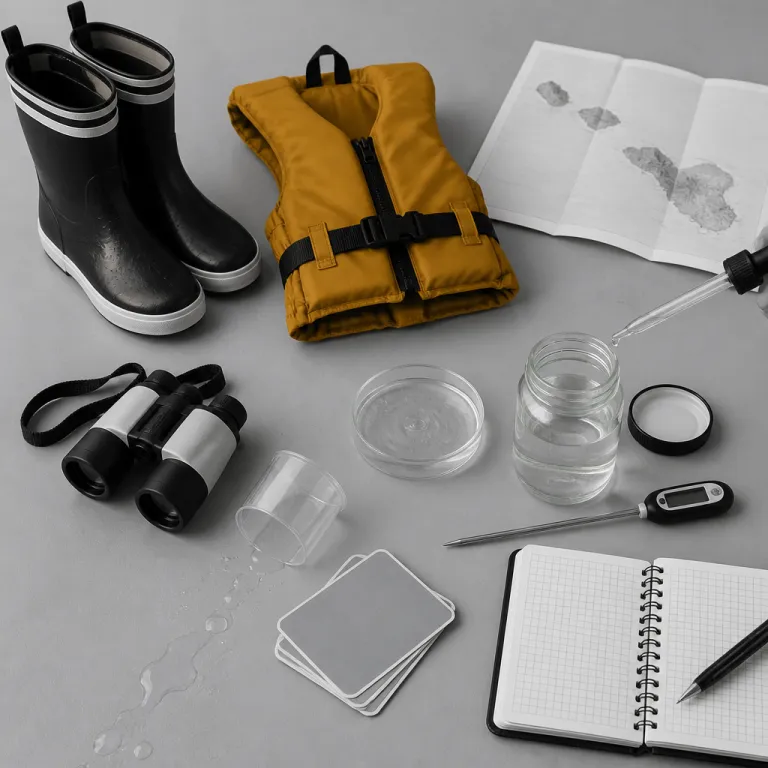
Binoculars, a camera with a reasonable zoom and weather appropriate clothing are usually sufficient for most citizen science Azores family outings. Some programmes provide additional tools, such as data sheets or mobile apps for data collection, but it is wise to confirm this in advance. Hotels that specialise in these stays often lend extra binoculars on request, especially for vigia tower sessions and shore based whale watching counts.