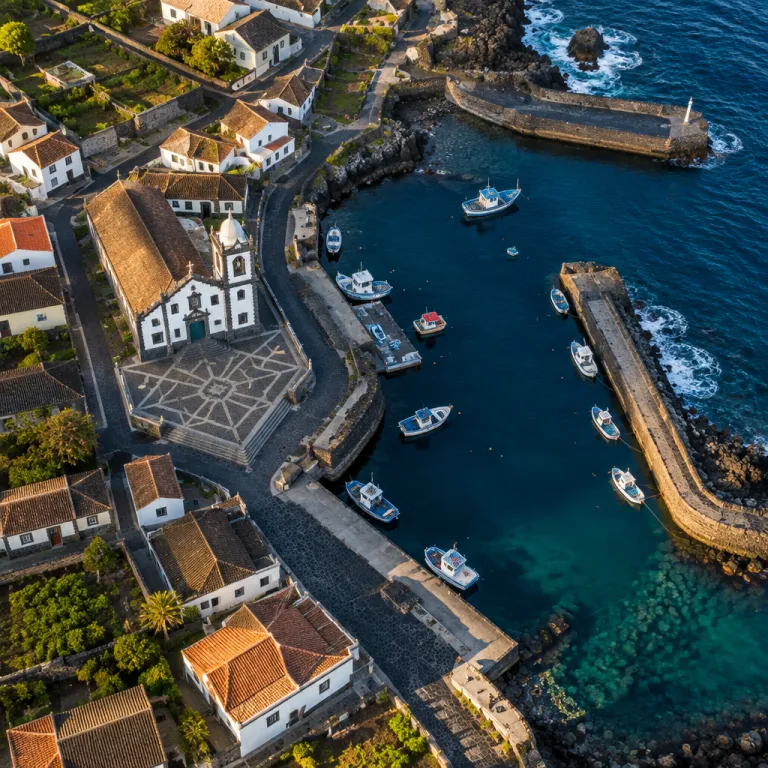
Azores culture heritage autumn: why the quiet season suits a solo stay
Azores culture heritage autumn is when the archipelago finally exhales. The cruise crowds thin, the light softens over each island landscape, and you can walk into churches, museums and small ateliers without waiting behind a tour group. For a solo traveler choosing luxury hotels with care, this is the best moment to let the Azorean rhythm set the pace of each day.
The nine Azores islands sit in the mid Atlantic yet feel firmly Portuguese, shaped by centuries of Atlantic trade, whaling and emigration toward mainland Portugal and the Americas. Autumn makes that layered Azorean story easier to read, because the people who keep it alive — curators, priests, local historians, whale watching skippers — finally have time to talk. When you plan where to stay, think less about beaches and more about which island will give you the clearest window into this culture during the quieter months.
São Miguel is usually the first island on any visit Azores itinerary, and in autumn its volcanic character feels more intimate. Steam rises from the earth in Furnas, crater lakes such as Sete Cidades hold the changing light, and Ponta Delgada’s churches echo rather than roar. On Terceira Island and Pico Island, the focus shifts from summer festivals to the everyday rituals that define the best destinations for understanding Azorean cultural heritage in the shoulder season.
Angra do Heroísmo, Terceira and the Atlantic crossroads
On Terceira Island, the UNESCO listed center of Angra do Heroísmo is the clearest expression of Azorean heritage in autumn. Cobbled streets, azulejo lined churches and former merchants’ houses tell how this island once anchored the Atlantic routes between Porto, Lisbon and the New World, long before modern Porto Lisbon flights made the journey routine. Stay in a restored convent such as Pousada de Angra do Heroísmo or a refined historic palace hotel, and you wake within walking distance of the city’s best cultural landmarks.
In the quieter months, Angra’s museums and churches open their doors to a slower kind of travel, where you can linger over maritime charts or carved wooden altarpieces without feeling rushed. The Museum of Angra do Heroísmo, housed in the former São Francisco convent, offers galleries on navigation, local crafts and the 1980 earthquake that reshaped the city. The small Império chapels dedicated to the Holy Spirit, painted in bright Azorean colors, become part of your daily landscape rather than a checklist of hidden gems. From your hotel, a short day walk of about 30 minutes leads to viewpoints above the bay, where you can read how this island landscape once guided Portuguese caravels and later steamships across the Atlantic.
Beyond Angra, Terceira São Bento and the rural parishes show another side of Terceira Island culture, especially in autumn when religious processions give way to quieter parish life. This is when local cheesemakers, winemakers and artisans have time to receive visitors, often arranged through your hotel concierge who knows the families personally. As one local guide likes to say, “In October we finally have time to sit at the table with guests, not just serve them.” For a deeper sense of Atlantic heritage, pair Terceira with Pico Island and its UNESCO listed vineyards, using a stay near the lava walled currais as your base and reading about the volcanic vineyards of Pico through resources such as this detailed guide to Pico’s currais and mineral wines.
São Miguel’s crater lakes, convents and city churches
São Miguel Island is often sold through images of crater lakes and hot springs, yet the Azores in autumn reveal a more introspective side. In Ponta Delgada, the capital of São Miguel, the churches of São José and São Sebastião feel almost private in the softer light, their carved wood and stonework easier to appreciate when you are not squeezed between tour groups. Choosing a luxury hotel within the historic grid, such as Grand Hotel Açores Atlântico or a converted townhouse near the harbor, lets you walk to these Portuguese baroque spaces at different times of day and feel how the city breathes.
Outside the city, the volcanic landscape shapes both faith and daily life, from the chapel above Sete Cidades to the caldeiras of Furnas where cozido stews cook slowly underground. In autumn, mist often hangs over the crater lakes, and the silence around Lagoa do Fogo or Sete Cidades encourages a more reflective kind of travel. A refined rural retreat on Miguel Island, set among tea plantations like Gorreana or dairy pastures, lets you pair spa rituals with visits to small museums and local producers who explain how Azorean emigration and Atlantic trade shaped their families’ stories.
Many travelers route their trip through Porto Lisbon and then on to São Miguel, but few stay long enough to read the island’s religious and civic architecture properly. Consider a multi night stay focused on culture rather than coastline, using curated hotel collections such as refined island retreats on São Miguel for a luxurious Azores escape to anchor your plans. If you enjoy historic spaces, you might even frame your wider Portugal journey with a night in a converted convent in Lisbon, such as the property described in this review of a refined stay in a historic convent, before flying on to the Azores islands.
Pico, Faial and São Jorge: whaling, vineyards and island triangles
Between Pico Island, Faial and São Jorge, the autumn cultural season takes on a maritime and volcanic tone. Pico’s black lava fields and stone walled vineyards, recognized by UNESCO, speak of centuries of hard work against the Atlantic wind, while the island’s former whaling stations now host museums that treat that history with nuance. The Museu dos Baleeiros in Lajes do Pico, for example, explains how lookout posts once coordinated hunts and how today they help spot whales for observation. Staying in a luxury guesthouse built from basalt on Island Pico places you inside this landscape, with the mountain rising behind and the ocean in front.
Faial’s Horta, just across the channel from Island São Jorge and Pico, was once a key stop for transatlantic cables and yacht crossings, and its marina café walls still carry the painted signatures of crews from around the world. In autumn, the pace slows, and you can talk to local sailors, museum curators and whale watching guides about how Azorean life shifted from hunting whales to protecting them. Choosing a hotel that understands this transition means your whale watching excursions are led by biologists and former whalers who read the sea like a book, turning each day on the water into a living history lesson.
São Jorge, the third point in this central islands triangle, offers dramatic cliffs and fajãs where traditional agriculture clings to the base of volcanic slopes. Here, Azores culture in the off season is felt in the quiet of small churches, in cheese cooperatives that welcome visitors, and in the stories of families whose children left for mainland Portugal or North America. A thoughtfully located hotel on São Jorge Island lets you move between these experiences easily, with ferries between Pico, Faial and São Jorge often taking under an hour, making this trio one of the destinations best suited to travelers who want both landscape and culture in the Azores islands.
Santa Maria, emigrant stories and choosing the right cultural base
Santa Maria, the southernmost island, often slips beneath the radar of best destinations lists, yet in the quieter autumn months it becomes a quiet stage for emigrant stories. Whitewashed villages, terraced fields and small museums speak of departures toward Lisbon, New England and Brazil, and of the Azorean habit of weaving those journeys back into local life. A small luxury property in the main village can arrange meetings with craftspeople, musicians and elders who remember when the airport brought the first wave of modern travel to the island.
Across the archipelago, the emigrant experience shapes everything from food to festivals, and you feel it most clearly when the islands are not crowded. In autumn, hotel concierges have time to arrange visits to family run wineries on Pico Island, embroidery workshops on Terceira Island or tea plantations on São Miguel Island, each one a living archive of Azorean resilience. When you choose where to stay, ask how the property connects guests with local culture, not just with scenic viewpoints or generic hidden gems.
For solo travelers, the quieter months in the Azores offer both safety and depth, especially when you base yourself in well run luxury hotels that understand the rhythm of island life. The best properties act as cultural interpreters, suggesting which day to visit Angra do Heroísmo, when to walk around Ponta Delgada, or how to time a whale watching trip so that the experience feels respectful rather than performative. By aligning your hotel choices with the cultural heart of each island, you turn an autumn stay in the Azores into a season long conversation with the archipelago rather than a quick visit.
FAQ: planning a culture focused autumn stay in the Azores
Which Azores island is best for cultural heritage in autumn ?
For concentrated heritage, Terceira Island with Angra do Heroísmo is often the best choice in autumn. São Miguel Island offers a broader mix of churches, crater lakes and museums, while Pico Island and Faial add whaling and vineyard history. Many solo travelers combine these islands to balance city heritage, volcanic landscapes and maritime culture.
How many days should I stay on each island for a cultural trip ?
Plan at least three full days on São Miguel Island to explore Ponta Delgada, Sete Cidades and Furnas at an unhurried pace. Two to three days on Terceira Island allow time for Angra do Heroísmo, rural parishes and local food traditions, while another two or three days split between Pico Island and Faial work well for vineyards and whaling history. Longer stays simply deepen your conversations with local people and give you more flexibility for changing Atlantic weather.
Is autumn a good time for whale watching and cultural visits together ?
Autumn can be an excellent time to combine whale watching with museum visits and city walks, especially around Pico Island and Faial. Sea conditions vary, but there are still regular departures, and boats are usually less crowded than in peak summer. On windier days, you can shift your focus to churches, whaling museums and vineyards without feeling you are missing out.
Where should a solo traveler base themselves for easy inter island travel ?
Ponta Delgada on São Miguel Island works well as a first base, thanks to frequent flights and a strong choice of luxury hotels. From there, you can connect to Terceira Island, Pico Island and Faial, often with short hops that make multi island itineraries practical. Some travelers then finish on a quieter island such as Santa Maria or São Jorge for a slower final chapter.
How do I choose a luxury hotel that supports local culture ?
Look for properties housed in historic buildings, or those that work closely with local guides, artisans and small producers. Ask whether the concierge can arrange visits to museums, vineyards, cheese dairies or craft workshops, not just scenic drives. Hotels that invest in Azorean culture tend to offer richer, more grounded experiences during the autumn cultural season in the Azores.