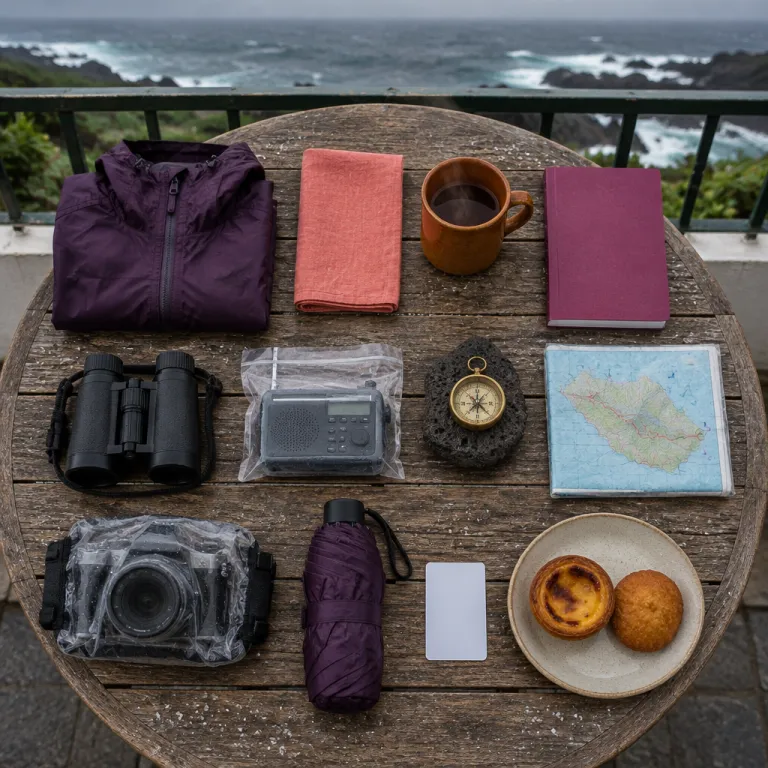
Why azores autumn storm watching hotels belong on your travel list
Autumn in the Azores is when the Atlantic stops whispering and starts to roar. For couples who time their travel to the shoulder season, this is the best moment to trade summer crowds for weather drama and long, quiet days by the sea. The Azores autumn storm watching hotels that matter lean into this season, treating each fast moving front as theatre rather than inconvenience.
Across every island, the weather shifts by the hour, and by the month the pattern becomes clear. September still carries the softer side of summer, with sea temperatures often around 22–23°C and outdoor activities on São Miguel or Santa Maria feeling almost languid. By late October and into November, the season sharpens, Atlantic low pressure systems stack up in the mid ocean, and you start to understand why the best time to visit Azores for storm watching is not the same best time that suits a beach holiday.
Think of this as a different kind of high season, one defined by conditions rather than crowds. You plan your time visit around the swell charts and the rain radar, not the school calendar or the classic July August rush. The reward is a front row seat on the edge of Europe, where Azores autumn storm watching hotels and coastal retreats offer floor to ceiling glass, serious kitchens and fireplaces that make even the rain and sea against the windows feel like part of the design.
Choosing the right month in the Azores for this kind of trip is crucial. June and early July still feel like late spring, with more stable weather and fewer truly wild days, while August often brings calmer seas even if air temperatures stay high, typically in the low to mid 20s Celsius. If you want the full Atlantic performance, look to the shoulder between late September and the darker month of November, when rainy days, sudden sunbursts and muscular winds all share the same 24 hours and average swells of two to four metres are common along exposed coasts.
São Miguel: glass, craters and thermal refuge when the fronts roll in
São Miguel is the island that most couples choose for a first visit Azores, and in storm season it remains the most versatile base. The capital Ponta Delgada faces the open ocean, so Azores autumn storm watching hotels along this stretch feel the full weight of the weather without sacrificing comfort. You wake to high low cloud racing over the harbour, then watch the rain and sea sweep past while breakfast stretches into a second pot of coffee.
On São Miguel Island, the best time to chase the spectacle is often just after a front has passed. Conditions clear quickly, revealing Sete Cidades and Lagoa do Fogo under dramatic skies, with temperatures cool enough for long walks yet mild compared with mainland Europe in the same month. When the next band of rain arrives, you retreat to thermal pools in Furnas or Caldeira Velha, letting the volcanic heat turn a grey afternoon into a private spa session.
Storm watching here is not only about the coast, because the interior craters amplify the mood of the season. In late September or early October, the green walls around Sete Cidades catch low cloud, creating a layered, cinematic effect that feels made for slow travel and photography. By contrast, a clear day in August or June on São Miguel Island can feel almost too gentle if you came for drama rather than postcard blue.
Santa Maria, a short hop from São Miguel, offers a different reading of the same weather story. Known as the sun island, it often sees fewer rainy days in the same month Azores, which makes it a smart twin centre with São Miguel for couples who want both storm watching and calmer outdoor activities. For a deeper look at how rural quintas and refined houses frame this softer side of the season, explore this guide to Santa Maria as the Azores sun island.
Atlantic theatre from Terceira to São Jorge: headlands, harbours and safe vantage points
Move away from São Miguel and the islands of Terceira and São Jorge offer a more elemental stage for Azores autumn storm watching hotels and coastal guesthouses. Terceira’s south coast, especially around Angra do Heroísmo, balances exposure with shelter, giving you weather drama framed by a UNESCO listed town. On São Jorge, by contrast, the north coast faces the full Atlantic, so conditions can turn from calm to wild within a single hour.
On Terceira, the best properties for this season understand that storm watching is a luxury experience, not a hardship. You want thick glazing, deep sofas and a kitchen that can pivot from grilled limpets on clear evenings to slow stews on the wettest days of the year round calendar. One of the most reliable oceanfront stays for this kind of trip is profiled in our review of the elegant oceanfront hotel in Angra do Heroísmo, where you can watch the high low dance of clouds over the bay without ever feeling exposed.
São Jorge is different again, a long, narrow island where weather rolls along the spine and then drops hard onto the fajãs at sea level. Autumn here is about timing your travel between squalls, using short windows of good conditions for outdoor activities like cliff path walks or visits to tiny coastal villages. When the rain returns, you retreat to your room, pour a glass of Pico wine and let the sound of the sea replace any need for background music.
Safety matters in this season, and the right Azores autumn storm watching hotels take it seriously. Staff track the weather day by day, advise against cliff edge walks when the wind angle is wrong, and build in realistic expectations about flight delays that can stretch a trip by an extra day or two. For couples, that slack in the schedule often becomes a gift, turning an unplanned extra night into the most atmospheric evening of the whole month Azores escape.
Pairing storms with whale watching, warm tables and refined island retreats
One of the surprises of autumn in the Azores is how well storm watching pairs with whale watching when conditions align. The same Atlantic that throws up big swell on some days can turn glassy between fronts, creating perfect windows for heading out from Ponta Delgada or Horta in search of sperm whales and dolphins. You work with local crews who read the weather and the sea, choosing the best time visit within your stay rather than locking into a rigid plan.
Temperatures in this season usually sit in a comfortable mid range, rarely hitting the extremes of high summer or deep winter, which makes layering easy. On some days you will feel a lingering touch of spring in the air, especially in early September or late June, while on others the wind carries a cool edge that reminds you the Atlantic sets its own calendar. Across the islands, the pattern of rain and sun means you can still enjoy outdoor activities, but you learn to treat each clear spell as a bonus rather than a guarantee.
Food and wine become central to the rhythm of Azores autumn storm watching hotels and hideaways, because long evenings invite long tables. After a day of watching the rain and sea from your window, you sit down to cozido cooked in volcanic soil on São Miguel, or to grilled fish in a harbour restaurant on Terceira, while the weather continues its performance outside. The contrast between the wild Atlantic and the warmth of the dining room is exactly what makes this season feel like the best kept secret in the archipelago.
For couples planning their travel, the key is to think in terms of islands and months rather than a single fixed itinerary. Choose one island that leans into the drama, such as São Miguel or São Jorge, and pair it with a calmer base like Santa Maria, then use a curated resource such as this overview of refined Azores stays along the Atlantic heritage trail to match properties to your preferred balance of comfort and exposure. Done well, an autumn or early winter trip here proves that the best season to visit Azores is not only about July August sunshine, but about the months when the Atlantic shows its full character.
FAQ
What is the best month to visit the Azores for storm watching ?
The most reliable months for storm watching in the Azores run from late September through November, when Atlantic low pressure systems pass frequently. September often blends lingering summer warmth with the first serious fronts, while October and November bring stronger swell and more dramatic skies. If you prefer slightly milder conditions and fewer rainy days, aim for late September or early October rather than the darkest part of the season.
Are azores autumn storm watching hotels safe during heavy weather ?
Well run Azores autumn storm watching hotels are designed and operated with Atlantic conditions in mind. Properties in exposed locations typically feature reinforced glazing, sheltered terraces and clear safety protocols for guests during periods of high wind or heavy rain. For current alerts and aviation updates, travellers can check official sources such as the Portuguese Met Office and Azores airline notices before moving around the islands.
Can I still enjoy outdoor activities in the Azores during autumn storms ?
Yes, but you need to stay flexible and plan around the weather rather than against it. Many days include a mix of showers and clear spells, so short hikes, crater lake visits and even whale watching can fit into the gaps between fronts. Always follow local advice on trail closures and sea conditions, because paths and coastal areas that feel safe in summer may be risky during strong Atlantic swells.
How does autumn weather in the Azores compare with summer conditions ?
Summer in the Azores, especially from June through August, usually brings more stable weather, calmer seas and higher average temperatures. Autumn keeps the air relatively mild but introduces more frequent rain, stronger winds and faster changing skies, which is exactly what storm watching travelers seek. If you value predictability and beach time, summer is better, while autumn suits couples who prefer atmosphere, empty viewpoints and dramatic light.
Is whale watching still possible in the Azores during the storm season ?
Whale watching continues year round in the Azores, but autumn trips depend more heavily on day to day sea conditions. Operators will cancel or reschedule outings when swell or wind makes the ocean unsafe, so you should build extra days into your itinerary to increase your chances. As a practical rule, allow at least one buffer day on each island in case ferries or flights are disrupted by weather and excursions need to be moved.