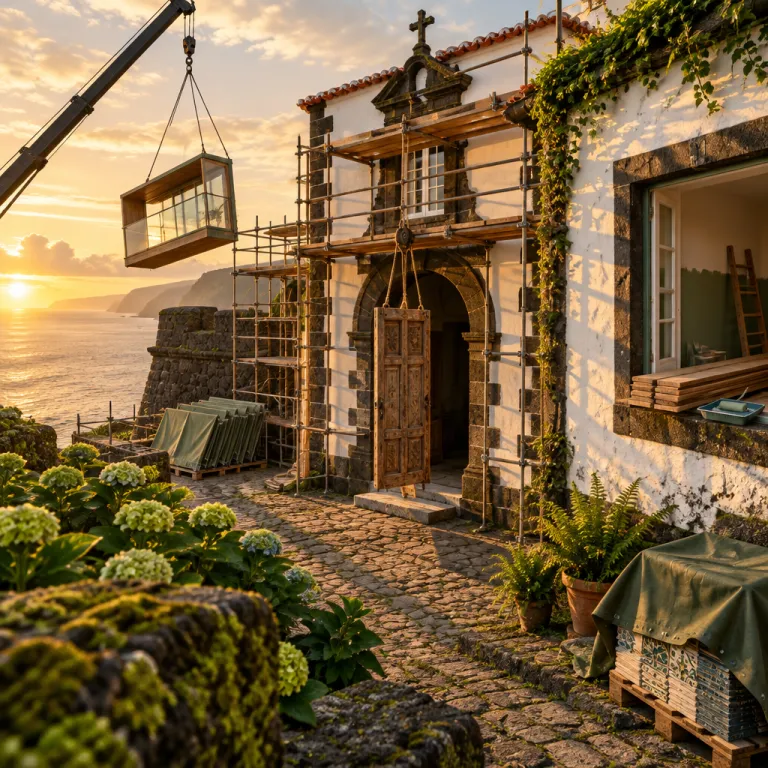
Azores adaptive reuse hotels heritage: why old stones matter more than new builds
On each island of the Azores, adaptive reuse hotels turn layered history into modern comfort for travelers who care about context. These properties show how a former fort, convent or schoolhouse can become a luxury hotel without erasing the volcanic past that shaped it. When you book one of these hotels, you are choosing thick stone walls, sea facing ramparts and cloistered courtyards over anonymous glass towers.
The most compelling azores adaptive reuse hotels heritage projects start with basalt, the dark volcanic stone that defines every traditional house and many civic buildings. Architects then insert contemporary design elements such as clean lined timber, white plaster and glass to frame the sea and crater lakes, creating a dialogue between old and new rather than a themed stage set. This balance between heritage and contemporary comfort is what separates serious restoration from a superficial paint job and a marketing story.
Across São Miguel, Terceira, Faial and Pico, you see the same pattern ; historic houses and villas become eco conscious hotels, while former warehouses and customs buildings turn into wine focused retreats. For solo travelers, these azores adaptive reuse hotels heritage options offer something rare in modern luxury hotels ; a sense that your room, your house Azores style suite or your discreet villas suites could only exist on this particular island. That specificity is the real luxury in a wild Atlantic archipelago where the sea, the wind and the volcanic soil still dictate the rhythm of daily life.
Reading the walls: forts, convents and townhouses on São Miguel
São Miguel is the best starting point if you want to understand azores adaptive reuse hotels heritage through concrete examples. Around Ponta Delgada and Ribeira Grande, former merchants’ houses, religious compounds and civic buildings now operate as hotels that keep their original proportions, staircases and sometimes even schoolroom blackboards. You walk into a lobby and immediately feel the weight of basalt stone, the coolness of white limewashed walls and the proximity of the sea only a few streets away.
In Ponta Delgada, several luxury hotels occupy old townhouses where contemporary design has been layered over traditional layouts, so rooms might be irregular but ceilings soar and windows frame the harbour. Up the coast in Ribeira Grande, a restored house Azores style manor shows how a pink house façade, basalt arches and internal courtyards can host modern comfort without losing their civic dignity. These azores adaptive reuse hotels heritage projects often include small eco gestures such as rainwater collection, solar panels hidden on flat roofs and local stone reused as flooring rather than imported marble.
On the north shore near Santa Bárbara, former farm buildings and fishermen’s houses have evolved into eco beach retreats where suites villas open directly to the Atlantic. Here, barbara eco style properties use basalt stone, white timber and native planting to soften the line between hotel and wild dunes, while hotel offers focus on experiences like coastal walks, crater lakes hikes and tastings of Azorean wine. When you book these hotels, you trade uniform corridors for creaking staircases, uneven floors and the quiet satisfaction of sleeping inside walls that have already survived more than one volcanic winter.
From forts to schoolhouses: coastal defenses and civic buildings reimagined
Along the Azorean coastline, former forts and customs houses now stand at the frontline of azores adaptive reuse hotels heritage, turning military architecture into calm places to sleep. These buildings were designed to read the sea, so every embrasure and rampart becomes a natural frame for Atlantic sunsets and passing whales. When converted into hotels, their rooms often follow the rhythm of old barracks or officers’ quarters, which means thick stone walls, deep window seats and sometimes slightly quirky layouts.
In smaller towns, disused schoolhouses and municipal buildings have become some of the most characterful hotels in the Azores, especially for solo travelers who enjoy a sense of narrative. Classrooms turn into generous suites, corridors into galleries for contemporary art and playgrounds into quiet courtyards where you can sip local wine under whitewashed façades. These azores adaptive reuse hotels heritage projects rarely offer the endless facilities of large luxury hotels, but they compensate with atmosphere, proportion and a direct connection to the community that once used the building daily.
When you compare a converted fort or schoolhouse with a standard coastal resort, the trade off becomes clear ; you might lose a spa wing, but you gain sea facing ramparts, vaulted ceilings and the feeling that your hotel is part of the island’s civic memory. This is especially true on islands where cultural events still animate historic centers, as in the summer bullfights and marchas that weave through old streets. For travelers who care about azores adaptive reuse hotels heritage, these reimagined civic buildings offer a richer way to inhabit the island than any new build could provide.
Wine, stone and volcanic fields: rural manors and farmsteads
Move inland and azores adaptive reuse hotels heritage takes on a different texture, shaped by vineyards, pasture and volcanic fields rather than harbours and forts. Rural manor houses, or solares, once owned by landholding families now host luxury hotels where basalt stone staircases, carved timber ceilings and walled orchards set the tone. These properties often sit within walking distance of vineyards or dairy farms, so the line between hotel, house and working landscape stays intentionally blurred.
On São Miguel, Solar Branco has become a reference point for how to combine heritage architecture with modern luxury and a serious wine program. The white main house and surrounding villas use contemporary design sparingly, letting original stonework, timber beams and traditional tiles carry most of the visual weight while modern comfort hides in underfloor heating and discreet lighting. Guests can book rooms in the main house or more private villas, then move between gin tastings, vineyard visits and excursions to crater lakes that define the island’s volcanic identity.
Across the archipelago, similar rural conversions show how azores adaptive reuse hotels heritage can support both eco principles and local agriculture, especially on islands like Pico where vineyards grow between black lava walls. A detailed look at the currais of Pico and their mineral wines explains why so many heritage hotels here foreground wine in their storytelling. For solo travelers, staying in these houses and villas means waking to the sound of cows or the sea, walking through volcanic stone terraces and ending the day with a glass of Azorean wine under a sky that feels almost too wide.
Eco logic and modern comfort in heritage shells
One of the strongest arguments for azores adaptive reuse hotels heritage is environmental rather than purely aesthetic. Reusing existing houses, forts and civic buildings avoids new footprints on fragile volcanic slopes and coastal dunes, which matters on islands where erosion and limited land are constant concerns. When architects work with basalt stone walls and existing volumes, they reduce the need for new materials and heavy construction, aligning heritage projects with eco priorities.
Inside these buildings, modern comfort arrives through careful layering rather than structural overhauls, with insulation, efficient glazing and underfloor heating inserted behind original walls. Contemporary design choices tend to favour white surfaces, clean lines and natural materials, creating a calm backdrop for the drama of the sea and the wild landscape outside. In some properties, eco beach concepts appear in the form of low impact pathways, native planting and suites villas that step lightly across the terrain instead of dominating it.
For travelers comparing azores adaptive reuse hotels heritage with conventional luxury hotels, the key difference lies in how comfort is delivered ; you might not find a vast spa, but you will feel the thermal stability of thick stone, the cross ventilation of high ceilings and the quiet that comes from being slightly removed from traffic. Properties like Santa Bárbara style coastal retreats or white exclusive style villas show how barbara eco thinking can coexist with high thread count sheets and strong Wi Fi. When you book these hotels, you are not choosing between eco values and luxury, but rather accepting that modern luxury in the Azores means working with the volcanic landscape instead of against it.
Solo explorer’s lens: choosing character over uniformity
For independent travelers, azores adaptive reuse hotels heritage offers a different kind of luxury than a predictable resort stay. You trade standardized room layouts for idiosyncratic spaces shaped by centuries of use, where a former sacristy becomes a library or an old classroom turns into an intimate bar. This sense of narrative suits solo guests who prefer to read a building the way they might read a city, tracing how stone, timber and proportion reflect the island’s history.
On São Miguel, staying in a restored house near Ponta Delgada or Ribeira Grande lets you walk directly from your hotel into streets where daily life still revolves around markets, cafés and the sea. A property like Solar Branco, or a discreet pink house conversion in the countryside, gives you both privacy and access to local networks, from wine producers to hiking guides who know the crater lakes trails by heart. Across the azores, adaptive reuse hotels heritage scene, you will find that staff often act more like hosts than operators, sharing personal recommendations rather than scripted talking points.
When planning a trip, it helps to think of each island as a different chapter in the same architectural story, with forts, convents and schoolhouses playing recurring roles. Articles such as the piece on when the best property is a restored quinta you might almost miss show how this logic extends even to quieter islands like Flores. For solo explorers, choosing azores adaptive reuse hotels heritage means accepting a few quirks in exchange for a richer sense of place, where every corridor and courtyard adds another layer to your understanding of the islands.
How to evaluate an adaptive reuse stay before you book
When you search for azores adaptive reuse hotels heritage online, marketing language can blur the line between genuine restoration and cosmetic styling. The first step is to look for clear information about the building’s previous life, whether it was a fort, convent, schoolhouse or rural manor, and how much of the original structure remains. Serious projects usually explain which elements were preserved, which were rebuilt and how contemporary design was integrated without erasing the past.
Room descriptions offer another clue ; if every room is identical, you are probably not dealing with a true heritage layout, whereas varied room shapes, different ceiling heights and occasional steps inside rooms suggest an authentic conversion. Pay attention to materials in photos, looking for basalt stone, timber and limewash rather than generic finishes that could belong to any hotel in Portugal or beyond. When a property mentions eco credentials, check whether these relate to the building itself, such as reusing existing structures and improving insulation, or only to add ons like organic toiletries.
Finally, consider location and context, because azores adaptive reuse hotels heritage works best when the building still speaks to its surroundings, whether that means sea views from a former fort, village life around a schoolhouse or vineyards encircling a rural house. Reviews that mention a strong sense of place, engaged local staff and meaningful connections to nearby communities usually indicate a thoughtful project. If you value modern luxury but also want to feel the wild Atlantic and volcanic landscape in the bones of your hotel, these are the properties worth prioritizing when you book your next Azorean stay.
FAQ
Are adaptive reuse hotels in the Azores more expensive than new builds ?
Rates at azores adaptive reuse hotels heritage properties vary widely, but they are not automatically higher than new builds. You often pay a premium for location, craftsmanship and limited room numbers rather than for flashy facilities. Solo travelers can sometimes find good value in smaller rooms within historic buildings, especially outside peak holiday periods.
Do heritage conversions offer the same level of comfort as modern resorts ?
Well executed azores adaptive reuse hotels heritage projects usually match modern resorts for essentials like bedding quality, heating, Wi Fi and bathrooms. The difference lies in layout and amenities ; you might have fewer on site facilities but gain thicker walls, higher ceilings and more characterful rooms. If spa treatments and large pools are priorities, check the property details carefully before you book.
How accessible are forts, convents and schoolhouses for guests with mobility needs ?
Accessibility can be challenging in some azores adaptive reuse hotels heritage buildings because of stairs, narrow corridors and protected structures. Many properties add lifts and ramps where regulations allow, but not every historic site can be fully adapted. Guests with specific mobility needs should contact the hotel directly to confirm room options and access routes.
Is staying in a heritage hotel better for the environment ?
Reusing existing buildings generally reduces the environmental impact compared with constructing new hotels, especially on fragile volcanic islands. Azores adaptive reuse hotels heritage projects conserve land, limit new materials and often incorporate energy efficient upgrades. However, overall sustainability still depends on daily operations, from water use to sourcing of food and wine.
Which Azorean island is best for a first heritage focused stay ?
São Miguel offers the widest range of azores adaptive reuse hotels heritage options, from urban townhouses in Ponta Delgada to rural manors near crater lakes. It is a strong choice for first time visitors who want both architectural interest and easy logistics. Once you understand the pattern there, islands like Terceira, Pico and Faial reward deeper exploration with forts, convents and rural houses in more remote settings.