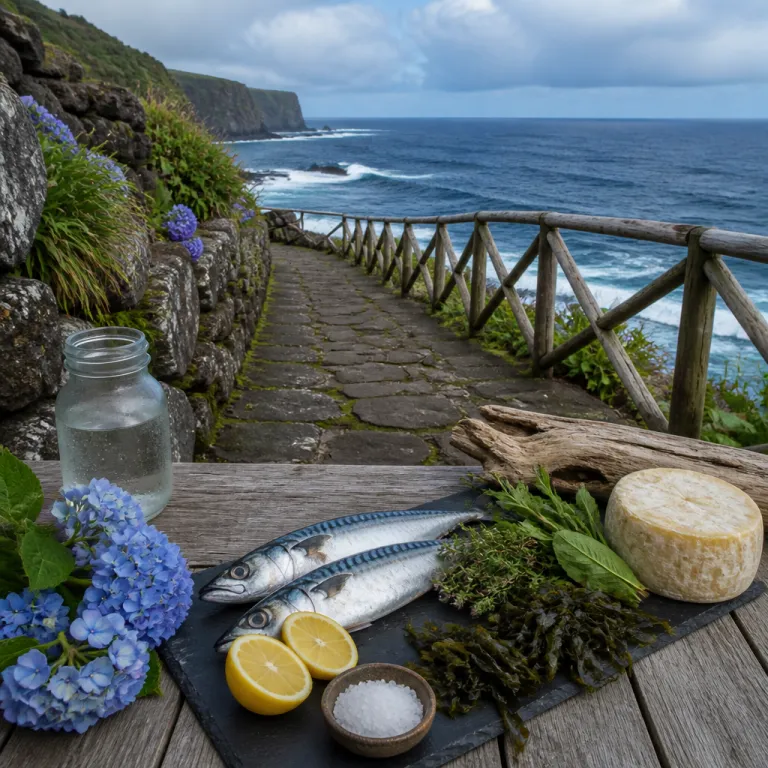
Flores Island Azores as a luxury retreat in a UNESCO biosphere
Flores, in the western Azores, feels like the edge of Europe. This outermost island of the archipelago, recognised as a UNESCO Biosphere Reserve since 2009, offers a rare mix of raw Atlantic drama and discreet comfort for guests who value privacy. On this green Atlantic outpost, lush valleys and cliffs frame every view, and the best luxury stays work with nature rather than against it.
Santa Cruz das Flores is the main gateway, and its small airport connects the island to other Azores islands and mainland Portugal, usually in about an hour from São Miguel with SATA Azores Airlines. From Santa Cruz, refined lodgings spread along the coast toward Lajes das Flores, Fajã Grande, and the historic hamlet of Aldeia da Cuada, each area offering a different rhythm and sense of time. Many premium properties here are restored stone houses or low-rise retreats, such as Aldeia da Cuada or INATEL Flores, so guests feel part of the Flores landscape instead of separated from it.
Flores lies roughly 560 kilometres west of São Miguel, and the travel time rewards those seeking quiet over crowds. With only around 3,400 inhabitants on 143 square kilometres, according to regional statistics, the experience is intimate, and service often feels personal by default. For travellers comparing islands, São Miguel suits those wanting larger resorts, while this western island is best for slow days, deep green hikes, and evenings where the only sound is the Atlantic.
Planning your stay: how many days and where to base yourself
Most travellers underestimate how many days this island deserves. A minimum of three full days on Flores Island Azores allows time for the main waterfalls, coastal villages, and at least one quiet afternoon by the ocean. For a more relaxed rhythm, five to seven days on the west coast let you balance exploration with spa time, long lunches, and unhurried evenings.
Santa Cruz works well if you prefer easy logistics, since many car rentals and services cluster near the airport. From Santa Cruz das Flores you can reach Fajã Grande, Aldeia da Cuada, and Lajes das Flores within about 45 to 60 minutes, so even a premium hotel base here still gives access to the whole island. Guests who want to feel closer to the Atlantic cliffs often choose Fajã Grande or Aldeia da Cuada, where stone houses overlook the ocean and the ribeira valleys that carve down from the plateau.
When planning things Flores related, consider how you like to travel rather than chasing every viewpoint. If you want curated, high-touch stays across several islands, it is worth reading about Azores all inclusive stays reimagined for refined island travellers on a specialist platform, then tailoring that approach to Flores and Corvo where experiences are more bespoke than package based. Many visitors pair a few days here with time on Corvo Island or São Miguel, but the most rewarding itineraries leave space for weather changes and spontaneous walks.
Signature landscapes: waterfalls, fajãs, and Atlantic viewpoints
The waterfalls of Flores Island Azores are the island’s natural signature. Near Fajã Grande, the amphitheatre of Ribeira do Ferreiro creates one of the most dramatic waterfall walls in the Azores, especially after rain. A short walk leads to the Poço da Ribeira do Ferreiro lagoon, where multiple cascades drop from the plateau and reflect in still water.
Close by, the Poço do Bacalhau waterfall falls more than 90 metres into a clear pool, and in summer some guests swim beneath the spray after morning hikes. Luxury properties in Fajã Grande and Aldeia da Cuada often arrange guided walks to Poço do Bacalhau and Poço da Ribeira, timing visits to avoid the busiest hours and to match your preferred level of effort. These curated outings turn classic things Flores visitors do into tailored experiences, whether you want a gentle stroll or a longer loop through the ribeira valleys.
On the southern coast, Rocha dos Bordões rises like a basalt organ above the road, its vertical columns a reminder of the island’s volcanic origins. Nearby, the viewpoint over the columns of Dos Bordões is often combined with a stop in Lajes das Flores, where the harbour offers calm after the cliffs. Guests staying in Santa Cruz or Lajes can ask concierges to arrange private drivers for these routes, and some premium hotels coordinate with Azoris hotel experiences in the Azores for guests continuing to Ponta Delgada on São Miguel.
Coastal villages and heritage stays: from Santa Cruz to Aldeia da Cuada
Santa Cruz das Flores is more than a transit point; it is a gentle introduction to island life. Whitewashed houses, a small marina, and views toward Corvo Island set the tone for slow mornings and evening walks. Several premium guesthouses here occupy historic buildings, offering refined interiors while keeping façades aligned with traditional Azores architecture.
West of Santa Cruz, Aldeia da Cuada has become one of the best known rural retreats on Flores Island Azores. This former abandoned village has been carefully restored, with stone houses converted into independent suites that respect original layouts and materials. Staying in Aldeia da Cuada places you close to Fajã Grande, Poço do Bacalhau, and the Ribeira do Ferreiro trails, yet evenings remain quiet, with only the Atlantic and the wind in the hydrangeas.
Further south, Lajes das Flores offers a working harbour atmosphere and easy access to boat trips along the coast. From Lajes, some operators run small group excursions that pass beneath cliffs, near hidden waterfall inlets, and along the base of Rocha dos Bordões, giving a different perspective on the Flores shoreline. When comparing villages, Santa Cruz suits travellers who value services and gentle walks, while Fajã Grande and Aldeia da Cuada appeal to guests who want time to feel suspended between ocean and sky.
Island hopping in style: pairing Flores with Corvo and São Miguel
Flores Island Azores pairs naturally with Corvo Island for travellers who appreciate remote elegance. A day trip to Corvo from Flores, often called a trip to Corvo, usually starts from Santa Cruz or Lajes, with small boats crossing the channel in under an hour when conditions allow. Once on Corvo Island, the Caldeirão crater and the tiny village offer a sense of time slowed almost to stillness.
Many premium travellers choose to spend one or two days on Corvo, returning to the broader range of stays on Flores Island for spa treatments and fine dining. When planning an island hopping itinerary, it is common to start on São Miguel for easier flight connections, then continue to Flores Island Azores for quieter landscapes and more intimate service. São Miguel offers larger resorts and urban comforts, while Flores and Corvo islands reward guests who value space, silence, and direct contact with nature.
For those designing a multi island Azores journey, it helps to think of Flores as the western anchor. You might spend several days on São Miguel, then fly to Flores Island, base yourself between Santa Cruz and Fajã Grande, and add a carefully timed trip to Corvo Island depending on weather. As one local host in Lajes likes to say, after recalling a stormy week when guests were invited into a family kitchen for caldo verde, “You come for the waterfalls, but you remember the way people greet you by name.” For travellers who care about the character of their resort as much as the scenery, an honest read on the few properties that actually earn the name resort in the Azores can help refine expectations before booking.
Booking luxury and premium stays on Flores with confidence
Choosing the best stay on Flores Island Azores starts with clarifying what luxury means to you. On this island, luxury often takes the form of space, silence, and attentive but unobtrusive service rather than grand lobbies. Many high-end properties are family run, so communication before arrival is essential to align expectations on services, transfers, and any dietary needs.
When comparing options across the islands, look beyond star ratings and focus on location, room size, and access to key sites such as Ribeira do Ferreiro, Poço da Ribeira, and Poço do Bacalhau. Properties near Fajã Grande and Aldeia da Cuada suit guests who want to walk directly from their door to trails and viewpoints, while stays in Santa Cruz or Lajes das Flores are better for those planning frequent drives or a trip to Corvo Island. In all cases, booking flexible rates is wise, since Atlantic weather can influence both hiking plans and boat schedules.
Flores Island’s status as a UNESCO Biosphere Reserve shapes how premium hotels operate, from energy use to how they guide guests around waterfalls and coastal fajãs. Local hosts often share the island’s story, from the discovery by Diogo de Teive in the mid-fifteenth century to early Flemish settlement, connecting your stay to centuries of maritime history. As one local guideline reminds visitors, “Respect local customs and natural habitats.”
Understanding the landscape: why Flores feels different from other islands
Flores Island Azores stands apart because of its scale and topography. With an area of about 143 square kilometres and a highest point of 915 metres at Morro Alto, the central plateau rises quickly from the sea, creating steep ribeira valleys and countless waterfalls. This geography means that even short drives between Santa Cruz, Fajã Grande, and Lajes das Flores can feel like scenic excursions.
The interior holds crater lakes and wetlands that support endemic species, one reason Flores and its surrounding marine area gained UNESCO Biosphere Reserve status. For guests, this translates into guided walks that emphasise both scenery and conservation, especially around Ribeira do Ferreiro and the Poço da Ribeira basin. Many premium hosts limit group sizes for hikes and boat tours, ensuring that time in these fragile areas remains quiet and respectful.
Compared with larger Azores islands, Flores has fewer formal attractions yet a higher density of viewpoints, from Rocha dos Bordões to the coastal miradouros above Fajã Grande. Travellers who give themselves enough days on Flores Island often say the best moments were unplanned, such as watching clouds move over Dos Bordões or pausing at a small cruz by the roadside. In this context, luxury is not about excess but about having the time and space to notice the island’s details.
Key figures for luxury travel on Flores Island Azores
- Flores Island covers approximately 143.11 km², which makes it one of the smaller Azores islands and helps keep driving times between Santa Cruz, Fajã Grande, and Lajes das Flores comfortably short for day trips.
- The population of Flores is around 3,400 inhabitants, according to recent regional data, so guest numbers remain limited and high season still feels calmer than on São Miguel or other larger islands.
- The highest point on Flores reaches 915 metres above sea level at Morro Alto, creating the elevation needed for Ribeira do Ferreiro, Poço da Ribeira, and other major waterfalls that define the island Flores landscape.
- Flores and its surrounding marine area hold UNESCO Biosphere Reserve status, which encourages luxury and premium hotels to adopt sustainable practices and to cap group sizes for excursions.
- Flights connect Flores Island Azores with other islands in the archipelago, with several weekly services from São Miguel and Terceira, meaning many travellers pair two to three days on Flores with several days on São Miguel or a short side trip to Corvo Island.
FAQ: planning a premium stay on Flores Island Azores
What is the best time to visit Flores Island for a luxury stay ?
Spring and early summer offer pleasant weather, blooming hydrangeas, and fewer crowds, which suits guests who value quiet pools, clear views of Ribeira do Ferreiro, and comfortable hiking conditions. Late summer can be warmer and busier, while autumn often brings more dramatic seas and waterfalls on Flores Island Azores. Winter stays are possible but require flexibility, as Atlantic weather can affect flights and boat trips to Corvo Island.
How can I reach Flores Island from mainland Portugal or São Miguel ?
Flores Island is served by regular flights from São Miguel and other Azores islands, with some seasonal connections from mainland Portugal. Most visitors fly into Santa Cruz das Flores, then continue by rental car or private transfer to Fajã Grande, Aldeia da Cuada, or Lajes das Flores. When planning a multi island itinerary, it is wise to book inter island flights early, especially if you want specific days for a trip to Corvo Island.
What are the main natural attractions near luxury stays on Flores ?
The key natural highlights include Ribeira do Ferreiro and the Poço da Ribeira lagoon, the Poço do Bacalhau waterfall near Fajã Grande, and the basalt columns of Rocha dos Bordões. Many premium properties arrange guided walks to these sites, often timing visits for softer light and quieter paths. Coastal viewpoints above Fajã Grande and the harbour at Lajes das Flores also feature in most curated itineraries.
Is Flores Island suitable for a short high end break, or do I need a full week ?
A three night stay on Flores Island Azores works for travellers who want a focused escape with one or two signature hikes, a visit to Poço do Bacalhau, and relaxed evenings in Santa Cruz or Fajã Grande. For guests who enjoy slower mornings, spa time, and perhaps a day trip to Corvo Island, five to seven days on the island Flores coast is more comfortable. The limited size of the island means you can see key sites without rushing, even on a shorter itinerary.
How does Flores compare with São Miguel for luxury and premium hotels ?
São Miguel offers a wider range of full service hotels, urban stays in Ponta Delgada, and larger spa resorts, which suits travellers who want more dining and nightlife options. Flores Island focuses on smaller scale premium properties, often in restored stone houses near Fajã Grande, Aldeia da Cuada, Santa Cruz, or Lajes das Flores, where the emphasis is on landscape and tranquillity. Many discerning guests combine both islands, starting with resort comforts on São Miguel before ending their trip amid the waterfalls and cliffs of Flores Island Azores.