Reading Pico’s vineyards and the shifting harvest window
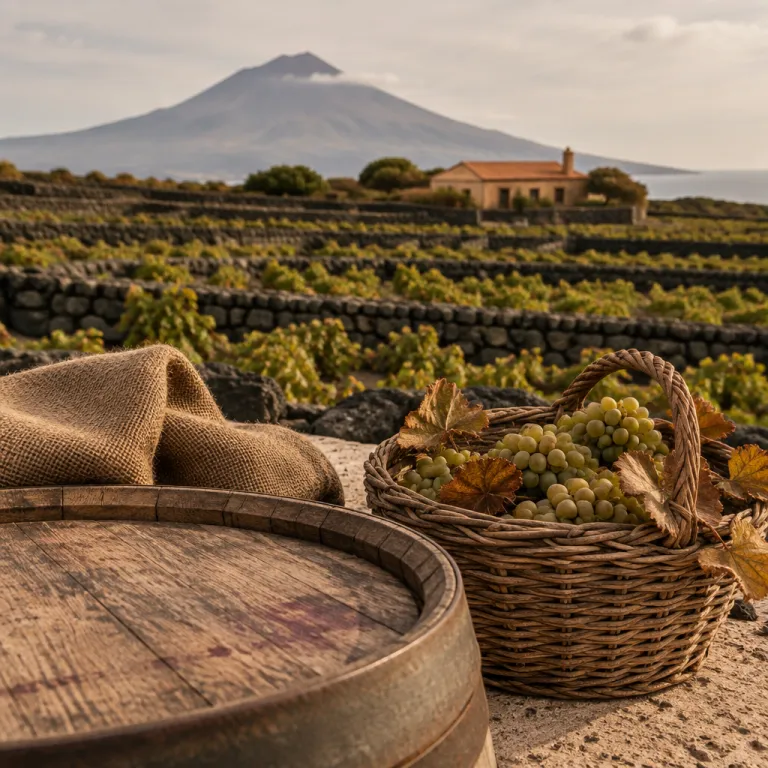
The essence of a refined pico vindima harvest stay is timing your arrival to the rhythm of the vines rather than to a fixed calendar date. On Pico Island the UNESCO listed vineyards stretch in low stone corrals, or currais, across black basalt lava fields that warm the wine grape clusters long after the sun has dropped behind the mountain. This means the grape harvest window moves subtly every year, shaped by Atlantic weather and sea tempered conditions rather than by a rigid schedule.
Across the Azores, growers watch the balance between sugar and acidity from late August, walking the vineyards at first light and again at the end of the day. A cooler july or a stormy july August pattern can push the main harvest into mid or even late September, while a dry, bright august can bring picking forward by several days. When you plan your pico vindima harvest stay, think in flexible bands rather than fixed dates, and speak directly with producers about the likely week for their own grape harvest.
On Pico, the most reliable signal is the talk in Madalena’s cafés and in the small adegas that line the coast road between Madalena and Lajes do Pico. Winemakers compare notes on weather, discuss how the mountain has sheltered or exposed their parcels, and decide which day to start cutting the first wine grape bunches. For a luxury minded traveler, this is the moment to contact your chosen property and ask which vineyards they partner with and on which days they expect guests to join a harvest or a private tasting event.
Where to stay on Pico for a harvest focused escape
A considered pico vindima harvest stay begins with choosing the right base between Madalena, Lajes do Pico and the quieter coastal hamlets. Madalena works well if you want to step from your suite into the vineyards within minutes, with views across to Faial and easy access to evening wine tasting events in town. Lajes do Pico feels more remote and maritime, with the old whale watching heritage at Museu dos Baleeiros and a slower rhythm that suits travelers who want to balance grape harvest mornings with long, contemplative afternoons by the ocean.
For those pairing Pico with Faial, a luxury focused stay on the blue island can frame your harvest days with a different kind of comfort. The channel crossing from Horta to Madalena takes under an hour, so you can base yourself in a refined property highlighted in guides to Faial for the luxury traveler and still join early morning picking in Pico’s vineyards. This strategy suits travelers who want a broader Azores itinerary, perhaps arriving from mainland Portugal into Horta and then using Pico as a focused grape harvest day trip.
Whichever side of the channel you choose, look for hotels that have long standing relationships with Pico wines producers rather than one off seasonal events. Properties that host small scale tasting events in their own cellars or gardens tend to secure better access to private parcels of black basalt walled vineyards. When you contact the concierge, ask not only about harvest participation but also about how they integrate local wine into dinners, from Verdelho pairings to rare fortified Pico wines served at the end of the day.
Designing your harvest days: from picking to long-table lunches
A well planned pico vindima harvest stay usually runs for at least three or four days, giving you enough time to join the grape harvest, attend a tasting event and still have space for weather delays. On your first full day, aim for a gentle immersion in the vineyards, walking the currais with a guide who can explain how the black basalt walls protect each wine grape vine from salt spray and wind. The next days can then be dedicated to more hands on harvest activity, from cutting bunches in the cool morning to sharing a communal lunch cooked by the producer’s family.
Autumn on Pico is also a season of religious and cultural events, and you will often see processions linked to the Holy Spirit traditions that shape Azorean village life. In some parishes, festas do Espírito Santo overlap with the end of the harvest, bringing together food, faith and wine in a way that feels deeply rooted rather than staged as a tourist event. If your dates fall in late August or early September, ask your hotel to check which festas Espírito Santo are planned near Madalena or Lajes do Pico, and whether respectful visitors are welcome at the communal tables.
Solo travelers often appreciate structuring one day around the sea and the mountain rather than only the vineyards. You might climb part of Pico mountain with a guide in the morning, then return for a late afternoon tasting of Pico wines that showcases how altitude, exposure and year specific weather conditions shape each bottle. For those arriving on new direct routes, resources such as the guide to Lajes direct US routes can help you align flight days with the most active phase of the harvest.
Pairing the vindima with Azorean gastronomy and wider island stays
The real luxury of a pico vindima harvest stay lies in how you weave wine focused days into a broader Azores itinerary. After several intense harvest mornings, many travelers head to São Miguel for spa centric relaxation and more elaborate dining, choosing oceanfront properties such as those featured in reviews of oceanfront elegance on São Miguel. This shift from the raw black basalt of Pico’s vineyards to the softer volcanic landscapes of São Miguel allows you to experience the archipelago’s range without losing the thread of wine and gastronomy.
Throughout july, august and september, producers across Pico and the wider Azores open their adegas for informal tasting events that showcase both current releases and older Pico wines. Some of the most atmospheric evenings unfold in simple stone warehouses near Madalena, where you stand with a glass of Verdelho in hand, facing the channel as the light fades behind the mountain. To secure a place at these small scale events, you should contact your hotel well before your travel year begins, as seats are limited and weather can force last minute changes.
For a final layer of context, many travelers like to compare Pico’s maritime wines with those from mainland Portugal, tasting how different climates and conditions shape the same grape varieties. A structured tasting that sets Pico wines alongside bottles from the Douro or Alentejo can be a highlight of your last day, especially when guided by a sommelier who has worked both in the Azores and on the continent. When the harvest winds down in late September, the islands settle into a quieter rhythm, and this is when a longer stay, unhurried meals and reflective walks through empty vineyards feel like the most refined expression of the vindima season.
FAQ
When is the best time to book a pico vindima harvest stay ?
The most reliable window for a pico vindima harvest stay runs from late August through the second half of September, but the exact dates shift with the weather each year. Warmer, drier conditions can bring the grape harvest forward, while cooler or wetter patterns may delay picking by several days. To refine your timing, speak directly with Pico based wineries and your chosen hotel about their expected harvest week for that specific year.
How many days should I stay on Pico during the harvest ?
Plan at least three to four days on Pico if you want to participate meaningfully in the grape harvest and still have time for tastings and coastal walks. One day can be dedicated to vineyard orientation, another to hands on picking, and a third to a structured tasting event or a visit to Museu dos Baleeiros. A longer stay of five or six days allows more flexibility for changing weather conditions and for exploring both Madalena and Lajes do Pico.
Can solo travelers easily join harvest activities and tastings ?
Solo travelers are generally welcomed at harvest activities, especially when they book through hotels that have established relationships with local producers. Many wineries cap group sizes, so you will often find yourself in a small, convivial mix of guests rather than in a large anonymous crowd. When you contact your property, ask specifically about solo friendly events, shared transfers and communal lunches during the harvest days.
What should I pack for a harvest focused trip to Pico ?
Bring sturdy closed shoes suitable for walking on uneven black basalt stones, a light waterproof layer for changeable Azores weather and clothes you do not mind staining with grape juice. A hat and sunscreen are essential, as harvest work often happens in exposed vineyards with strong reflection from the stone. In the evenings, a warmer layer is useful, especially if you plan to attend outdoor tasting events near the coast.
Is it possible to combine Pico’s harvest with other Azorean islands ?
Combining a pico vindima harvest stay with time on Faial or São Miguel works very well for travelers seeking both wine and broader island experiences. You can base yourself in Horta on Faial and cross to Pico for harvest days, or move on to São Miguel afterwards for spa focused relaxation and more elaborate dining. When planning, align inter island flights and ferries with your key harvest events to avoid missing the most active picking days.
References
Instituto do Vinho, do Bordado e do Artesanato dos Açores (IVBAM)
UNESCO World Heritage Centre – Landscape of the Pico Island Vineyard Culture
Turismo de Portugal – Azores wine tourism resources