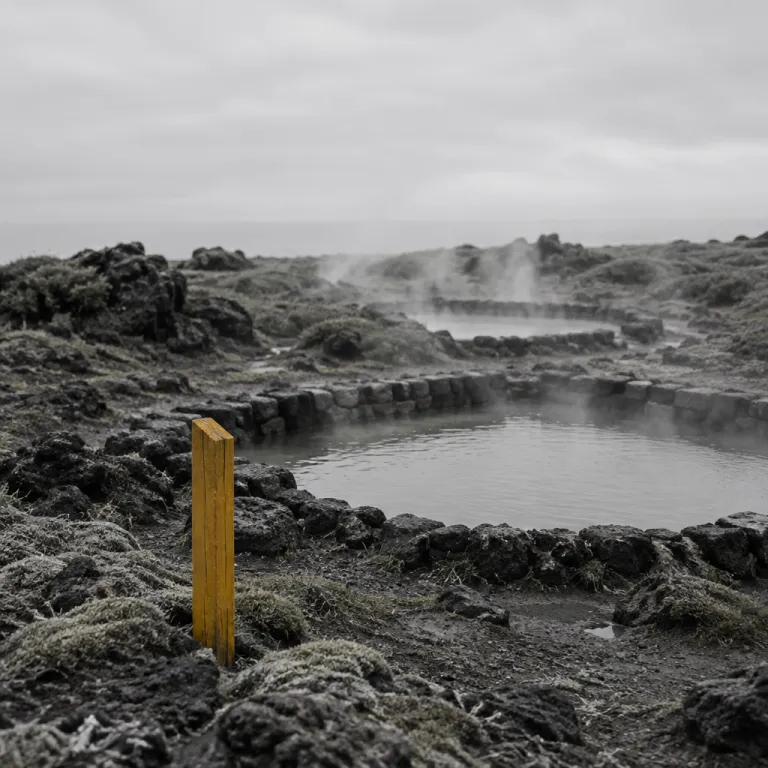
Azores thermal springs in autumn: why cooler days are the best time
On the Azores, thermal waters feel most luxurious when the air cools. As autumn settles over each island, the contrast between hot springs and fresh Atlantic breezes turns every soak into a slow ritual, especially for couples planning a wellness focused escape. Those who only associate São Miguel with summer beaches miss the real best time to lean into volcanic warmth.
Across the nine islands, geothermal springs surface in craters, coastal fissures and quiet forest ravines. When outside temperatures drop, usually from late summer into the softer Azores winter, the same thermal pools that feel heavy in peak heat become restorative, with steam rising visibly against the green slopes of each island São travelers explore. This is when a thermal pool session becomes less about ticking a box and more about lingering for long days, alternating between hot water and cool air.
For wellness travelers, the azores thermal springs autumn season is the moment to design an itinerary around slowness rather than sightseeing quotas. You can plan your time visit so that each island offers a different kind of spring, from inland thermal waters to sea heated coves, while your chosen hotel handles transfers and car rentals. Think of it as a circuit, not a single stop in Furnas, with thermal experiences anchoring your route and whale watching, vineyard walks and tea plantations filling the spaces in between.
From Furnas to Ferraria and beyond: mapping the thermal circuit
São Miguel island remains the natural starting point for any azores thermal springs autumn journey. The classic triangle of Furnas, Caldeira Velha and Ponta da Ferraria still defines the island’s hot springs story, but the way you sequence them in cooler months changes the experience completely. Begin inland, then move gradually toward the Atlantic edge where thermal water meets open sea.
In the Furnas valley, the Terra Nostra thermal pool and the Poça da Dona Beija pools offer contrasting moods. Terra Nostra Park, often called Parque Terra Nostra, wraps its ochre colored thermal pool in a botanical garden, while Poça da Dona Beija (often shortened locally to Poça Dona Beija) feels more intimate, with smaller thermal pools fed by a constant spring. On cooler days, the iron rich thermal waters hold their heat beautifully, and you can shift between pools as the light changes over Miguel Island’s central hills.
Drive by car across São Miguel to Caldeira Velha, where a forested ravine hides a series of hot springs and a waterfall fed by mineral rich water. From there, continue to Ponta da Ferraria on the island’s west coast, where a natural ocean pool is warmed by underwater vents, creating a rare sea based thermal pool that feels especially dramatic in shoulder season. For a deeper look at how volcanic minerals shape local wellness programs, the guide to volcanic minerals and Atlantic air spa programs explains why these thermal waters feel so different from mainland spas.
Quiet Furnas, curated stays: where thermal water shapes the hotel
By autumn, Furnas steps away from high season crowds and becomes a village built for slow bathing. Steam rises from the caldeiras beside the lake, restaurants prepare cozido in the hot ground, and the rhythm of the day follows the opening hours of each thermal pool rather than cruise ship schedules. This is when luxury and premium hotels in Furnas can genuinely centre the stay around water, not just offer it as an add on.
On São Miguel, the most interesting properties use thermal waters as a design principle, not a marketing line. Some channel naturally hot springs directly into private pools or semi open air baths, allowing couples to move between room and water without ever crossing a lobby, while others frame views of Furnas lake and the surrounding springs from spa relaxation rooms. To compare options with honest detail, the dedicated guide to where to stay in Furnas for thermal spring access breaks down which addresses truly prioritise wellness.
When planning your azores thermal springs autumn circuit, consider at least two or three nights based in Furnas. Use your days to alternate between Terra Nostra, Poça da Dona Beija and nearby Caldeira Velha, then reserve evenings for quiet hotel spa sessions as outside temperatures fall. A short car transfer from Ponta Delgada airport makes Furnas an easy first stop on Miguel Island, before you continue to other islands such as Pico or São Jorge for different styles of thermal waters.
Beyond São Miguel: Pico, São Jorge and Graciosa’s Carapacho
Leaving São Miguel, the azores thermal springs autumn story widens across the central group of islands. Pico island, better known for its UNESCO listed vineyards and whale watching, also offers a slower, more elemental wellness rhythm when the weather cools. Here, the luxury lies less in formal spa menus and more in pairing a hot spring soak with a glass of local wine and a view of the mountain.
On Pico, several premium guesthouses and small hotels use geothermally influenced water to warm outdoor pools or semi natural basins carved into the black lava coastline. The effect on a crisp evening is quietly theatrical, with hot water meeting Atlantic spray while you watch for distant blows from sperm whales that local vigias still track from their towers. São Jorge, by contrast, offers wilder landscapes and fewer structured thermal pools, but the combination of cliff edge trails, cool air and occasional warm springs suits travelers who prefer a more understated spa experience.
Graciosa’s Carapacho thermal complex, on another of the smaller Azores islands, completes the circuit for those willing to island hop. Here, thermal waters emerge near the sea, and the pools feel particularly appealing in the Azores winter months when outside temperatures stay mild but the contrast with the hot springs is still pronounced. Building an itinerary that links São Miguel, Pico, São Jorge and Graciosa by inter island flights or ferry turns your time visit into a genuine thermal journey rather than a single stop at Furnas.
Designing a slow, thermal led itinerary for couples
For couples, the azores thermal springs autumn season is ideal for a deliberately unhurried route. Start with three or four days on São Miguel, using a rental car to move between Furnas, Caldeira Velha, Ponta da Ferraria and the quieter corners of Ponta Delgada for dinners and evening walks. Then shift to Pico and São Jorge for a more contemplative rhythm, where hikes, vineyard visits and occasional whale watching frame your spa time.
When you plan your time visit, think in terms of temperature contrasts and textures rather than a checklist of pools. Schedule the hottest thermal waters, such as Terra Nostra and Poça da Dona Beija, for cooler mornings or after dark, then keep milder springs or sea warmed pools for the softer middle of the day. In the Azores winter shoulder months, this approach lets you enjoy hot springs without ever feeling overheated, even if the islands avoid the harsh cold found elsewhere in Europe.
Pairing thermal days with gentle cultural excursions keeps the experience grounded in place. A half day exploring tea plantations, pineapple greenhouses and local coffee estates, as outlined in the guide to coffee, pineapple and tea in the Azores, sits naturally between spa sessions and coastal drives. Across the islands, luxury hotels that understand this balance will help you time your thermal pool visits around tides, opening hours and weather, ensuring that each spring, pool and stretch of thermal water feels like part of a coherent, restorative circuit rather than an isolated attraction.
FAQ
Is autumn really the best time to visit Azores thermal springs ?
Autumn is often the best time to enjoy Azores thermal springs because air temperatures are cooler while the water remains consistently hot. This contrast makes long soaks in places like Terra Nostra, Poça da Dona Beija and Caldeira Velha more comfortable than during peak summer. Crowds also thin after the high season, so pools feel quieter and more atmospheric.
Which Azores islands offer thermal experiences beyond Furnas ?
São Miguel is the main island for thermal pools, with Furnas, Caldeira Velha and Ponta da Ferraria forming the core circuit. Beyond that, Graciosa has the Carapacho thermal complex, while Pico and São Jorge offer more low key, geothermally influenced experiences that pair well with hiking and vineyard visits. Building an itinerary across several islands lets you experience different styles of hot springs and thermal waters.
Do I need a car to explore thermal springs on São Miguel island ?
A rental car is highly recommended for exploring São Miguel’s thermal sites, especially in autumn when you may want flexibility around weather and tides. Furnas, Caldeira Velha and Ponta da Ferraria are spread across the island, and public transport does not always align with pool opening hours. With a car, you can time your visits for quieter periods and easily return to your hotel between soaks.
How should couples structure a thermal focused stay in the Azores ?
Couples planning a thermal focused stay should allow at least three or four days on São Miguel, basing themselves in Furnas or Ponta Delgada for easy access to major pools. From there, adding a few days on Pico or São Jorge creates a slower, more varied wellness circuit that mixes hot springs, hikes and wine tasting. Choosing hotels with strong spa programs or direct access to thermal pools ensures that water remains central to the experience.
Can thermal spring visits be combined with whale watching in cooler months ?
Whale watching operates for much of the year in the Azores, and autumn can still offer excellent sightings, especially around Pico and São Miguel. Combining morning or afternoon whale watching trips with thermal pool sessions works well, as the cool sea air makes a later hot soak particularly appealing. Many premium hotels and local operators can help coordinate timings so that both activities fit comfortably into a relaxed daily rhythm.