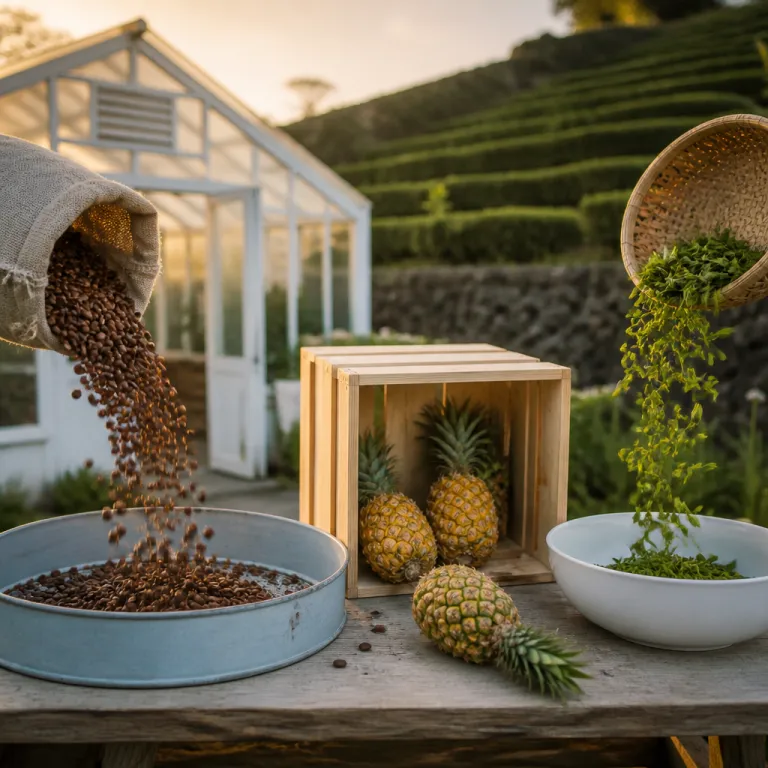
Azores coffee, pineapple and tea tours for luxury‑minded families
Azores coffee, pineapple and tea tours sound niche, yet they quietly define São Miguel for families who travel for taste. On this Atlantic island, three crops usually linked to tropical or Asian latitudes thrive in volcanic soil and a Gulf Stream tempered microclimate, giving you a rare chance to turn a single day into three focused, child friendly visits that still feel indulgent. For guests booking premium stays around Ponta Delgada or Furnas, each plantation visit on São Miguel becomes an anchor for a deeper, more delicious itinerary rather than a simple side trip.
The island of São Miguel sits far from mainland Europe, yet its position and basalt rich slopes create a natural greenhouse where tea, pineapple and a small coffee crop grow astonishingly well. Azorean tea plantations are among the very few tea plantations Europe still operates at commercial scale, and production remains modest enough that you still see individual tea leaves being handled with care rather than processed anonymously. For families used to urban foodie travel, the contrast between the wild Atlantic outside and the manicured rows of Chá Gorreana or Chá Porto Formoso feels almost cinematic.
Luxury travelers often ask whether combining coffee, pineapple and tea in one themed tour justifies carving out a full day from whale watching or crater lake hikes. The honest answer is that each plantation offers a distinct rhythm and sensory palette, so the smartest approach is to treat them as three compact chapters that you can weave between spa time and pool hours back at your hotel. As one parent from Lisbon put it after a recent trip, “Our children still talk about the smell of the pineapple greenhouse and their first Azorean cup of tea more than the infinity pool overlooking Ponta Delgada,” which says a lot about how vivid these experiences can feel.
Why tea, pineapple and coffee thrive on São Miguel
On São Miguel, the story behind these plantation visits starts with geology rather than gastronomy. The island’s volcanic slopes act as a heat sink, while the Atlantic mist keeps tea plantations cool enough for Camellia sinensis to flourish without pesticides, which is why the Gorreana Tea Estate is widely cited as the oldest continuously operating tea plantation in Europe. When you stand above the Chá Gorreana fields, watching workers move through the rows of tea leaves, you feel how the land and the ocean collaborate rather than compete.
Pineapple plantations on São Miguel flip expectations again, because the fruit grows not in open fields but in low whitewashed greenhouses that trap humidity and soften the island’s Atlantic winds. Local growers explain that the pineapple growth cycle can stretch well beyond a year, a duration that would be commercially unthinkable elsewhere in Europe but works here because the plantations are small, family run and focused on quality. For families, this slow rhythm is a lesson in patience, and children quickly grasp that what they eat at breakfast in the city Ponta Delgada began as a tiny plant in a warm, glass framed room.
Coffee is the outlier in most plantation themed itineraries, yet it completes the triangle of crops that should each earn focused time on your trip. While Café Nunes on São Jorge is often cited for its boutique scale, São Miguel now hosts a small but growing coffee scene that mirrors the same volcanic logic and Atlantic moderation. If you are pairing these agritourism visits with marine experiences, consider reading about sperm whale research stays and properties working directly with marine biologists, then balancing a morning with the vigia towers and an afternoon with a guided walk through coffee shrubs and drying patios.
A family friendly half day routing that actually works
For premium families basing themselves near Ponta Delgada, the most efficient way to approach coffee, pineapple and tea experiences is to break the island into arcs rather than individual dots. Start the morning by driving from the city Ponta Delgada towards the north coast, where Chá Gorreana and Porto Formoso sit within a short, scenic stretch of road that keeps children engaged without testing their patience. Both tea plantations offer free or low cost self guided visits during normal daytime hours (typically 9:00 to 18:00, though you should always confirm locally), so you can decide on the day whether your family prefers the slightly more rustic charm of Chá Gorreana or the more design focused Porto Formoso tea factory.
A typical half day might begin with a gentle walk through the Chá Gorreana tea plantation, where you can watch the processing line and then sit down for a quiet cup of tea while children sample different kinds of tea with local biscuits. From there, a short hop of around 10 to 15 minutes brings you to Porto Formoso, where the guided explanation of traditional equipment and the small gift shop help frame tea not just as something you drink but as a living part of Azorean culture. The official answer to the question “What makes Azorean tea unique?” is simple and precise: “Grown in one of Europe’s few commercial tea plantations, offering distinct flavor shaped by São Miguel’s climate.”
After lunch back in the city Ponta Delgada or at a coastal restaurant where you can eat grilled limpets and fresh fish, shift gears towards the Augusto Arruda style pineapple greenhouses closer to São Miguel’s capital. This second segment of the day keeps driving times short, which matters when younger travelers are in the back seat and the Atlantic weather changes quickly. If your family still has energy, you can fold in a short coastal walk or even plan a separate day around hiking the Caldeira on Faial with stay and walk pairings that actually make sense, using it as a template for how to balance activity and rest across the wider Azores.
Inside the plantations: tea leaves, pineapple perfume and Azorean coffee
Stepping into Chá Gorreana on São Miguel, you immediately understand why plantation based food and drink tours have become a quiet obsession for repeat visitors. The factory floor still uses traditional processing equipment, and you can watch tea leaves move from withering to rolling to drying in a sequence that older children find surprisingly hypnotic. Outside, the rows of green stretch down towards the Atlantic, reminding you that these plantations in Europe are as much about landscape as they are about what ends up in your cup.
Porto Formoso, a short drive away, offers a more curated experience, with guided storytelling that walks you through the history of tea on the island and tastings that highlight different kinds of tea grown on these slopes. Families who enjoy foodie travel will appreciate how the guides explain the difference between whole leaf and broken leaf teas, and how brewing time changes the character of each cup of tea. The small gift shop here is where many guests pick up tins of Chá Porto Formoso or Chá Gorreana as practical souvenirs that travel well and keep the memory of São Miguel alive long after the trip ends.
The pineapple greenhouses near Ponta Delgada are a different sensory universe, and they deserve their own dedicated slot within any São Miguel itinerary. As you walk through the warm, slightly humid air, the smell of ripening pineapple is almost floral, and guides explain how workers move plants between greenhouses over the growth cycle to control development and sweetness. Some plantations offer tastings of fresh pineapple, liqueurs and even cakes, turning what could have been a simple tour into a relaxed, family friendly moment where everyone can eat something genuinely local before heading back to the hotel pool.
From plantation to hotel breakfast table: where to stay and what to expect
For luxury travelers, the real test of these Azores plantation experiences comes the next morning at breakfast, when you see whether your hotel’s story matches what you saw in the fields. On São Miguel, many higher end properties around Furnas and Ponta Delgada now specify whether they serve Chá Gorreana or Porto Formoso tea, and some even offer side by side tastings so you can compare the plantations’ styles in a single sitting. When a hotel team can explain which tea plantation your morning pot came from, and why they chose that supplier, it signals a level of care that aligns with premium expectations.
Pineapple appears just as often, whether sliced fresh, turned into compote or folded into pastries that children devour before you can photograph them, and staff are usually happy to point out which plantation offers the fruit you are eating. The best properties on São Miguel weave these details into a broader narrative of sustainable travel in the Azores, connecting volcanic soil, Atlantic climate and local producers in a way that feels authentic rather than performative. Coffee is the most nuanced part of the story, because while Azorean beans are a point of pride, the honest verdict is that the cup of coffee you drink at breakfast may still blend local beans with imports to balance flavor and consistency.
When you plan your stay through a curated platform focused on the Azores, look for hotels that treat these crops as more than decorative props. Ask whether they can arrange private guided visits to tea plantations, pineapple greenhouses or even coffee producers, and whether transfers are included so your family can relax between stops. Done thoughtfully, plantation themed food and drink tours become the spine of a trip that still leaves room for thermal baths, coastal hikes and even a detour to another island, yet always brings you back to the simple pleasure of what you eat and drink at the start of each day.
FAQ
What makes Azorean tea different from other European teas ?
Azorean tea comes from some of the only commercial scale tea plantations Europe still maintains, primarily on São Miguel at Chá Gorreana and Porto Formoso. The combination of volcanic soil, mild Atlantic humidity and the absence of frost allows growers to cultivate tea leaves without needing heavy chemical inputs. This results in clean, gently aromatic teas that many travelers first encounter during plantation visits and then seek out back home.
How are Azorean pineapples cultivated and can families visit the greenhouses ?
Azorean pineapples grow in long, low greenhouses rather than open fields, where workers carefully manage temperature, light and humidity over an extended growth cycle that often runs 18 to 24 months. Families can join guided visits that explain each stage, from planting to the moment the fruit turns golden and fragrant, often ending with tastings of fresh pineapple or related products. These visits fit easily into a half day and pair well with a relaxed lunch in Ponta Delgada or a nearby coastal village.
Can visitors tour Azorean coffee plantations and is the coffee any good ?
Guided tours are available at Café Nunes on São Jorge, and selected smaller producers on São Miguel sometimes open by appointment arranged through local operators or hotel concierges. The coffee is more about story and origin than blockbuster flavor, so expect a pleasant, mild cup rather than an intense specialty profile. For many travelers, tasting Azorean coffee in situ is still an essential part of exploring the islands’ food culture, especially when combined with tea and pineapple visits.
How much time should I allocate for tea, pineapple and coffee visits with children ?
A practical structure is to treat each crop as a half day, which keeps driving short and attention spans intact. One morning can cover Chá Gorreana and Porto Formoso, an afternoon the pineapple greenhouses near Ponta Delgada, and another flexible half day a coffee visit plus a coastal walk. This pacing leaves ample time for hotel pool sessions, spa appointments and unhurried meals, which matters for premium families balancing curiosity with comfort.
Do I need to book azores coffee pineapple tea tours in advance ?
Tea plantations on São Miguel generally welcome walk in visitors during opening hours, though private guided tours should be reserved ahead through your hotel concierge or a trusted operator. Pineapple and coffee sites vary more, so advance booking is wise, especially in peak travel periods or for families needing specific time slots. Planning ahead also allows your hotel to coordinate transfers, tastings and any child friendly adjustments that make the day run smoothly.