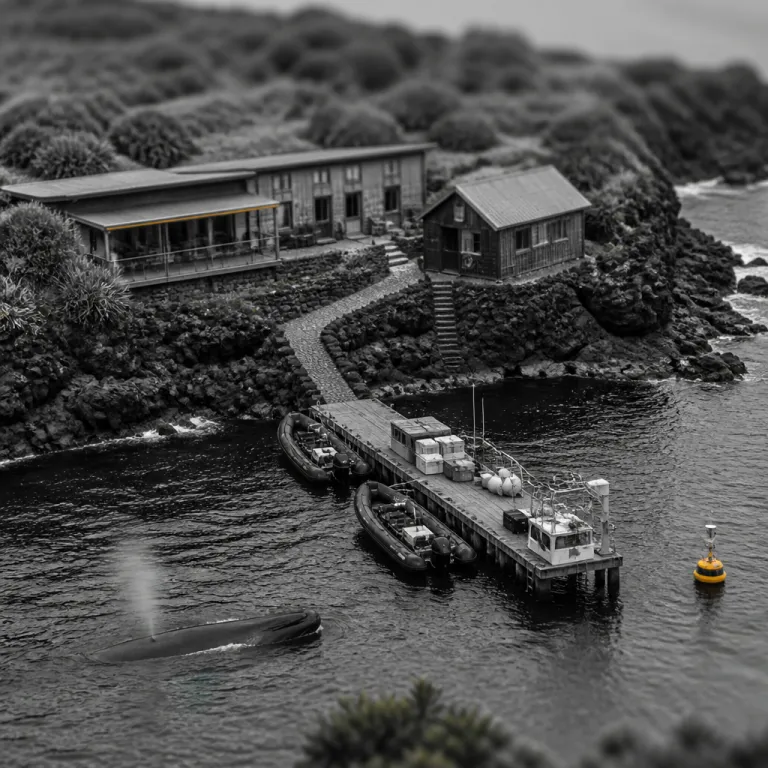
Azores whale research stays for solo travelers who want to contribute
Azores whale research stays sit at the meeting point of luxury hospitality and serious marine conservation. On São Miguel and across the wider Azores archipelago, a small group of premium properties now work directly with marine biologists so your travel budget helps fund real cetacean science rather than theatre. For a solo explorer, this means your room key can open both an ocean-facing suite and a front-row seat to sperm whale research in the North Atlantic.
The context is clear: these islands host resident sperm whales year round, with blue whales and other baleen whales passing through on migration, and a shifting cast of dolphins and other cetacean species feeding along deep underwater canyons. Long-term monitoring projects report sperm whales on more than half of spring survey days around São Miguel and Pico, with peak blue whale sightings typically clustered between March and early May. That density of whales and dolphins has turned the Azores into one of Europe’s most respected whale watching destinations, but not every cruise or dolphin encounter contributes to science. The new generation of Azores whale research stays is defined by structured projects, clear data goals and transparent partnerships with scientists based in Azores Portugal and beyond.
Look for hotels that name their partner organisations and explain the project timeline from field observations to analysis, rather than vague promises about “helping whales”. Some properties collaborate with operators such as Futurismo Azores Adventures or CW Azores, whose expeditions feed photo-identification catalogues and long-term sperm whale research databases like MONICET, a regional sightings platform used by universities in the Azores and mainland Europe. Others plug into international initiatives such as Biosphere Expeditions’ Azores projects, where a volunteer model turns paying guests into trained field assistants who work alongside qualified marine biologists during multi-day expeditions and later appear in published expedition reports.
From vigia towers to data logs: what “research aligned” really means
To understand which Azores whale research stays are worth your time, start with the vigia towers that still dot Pico and São Miguel. These cliff-top lookouts once guided whaling boats toward a rising sperm whale blow; today, the same vigia network directs research-aligned expeditions toward whales, dolphins and other cetacean species with remarkable efficiency. The difference between a standard whale watching outing and a research-aligned expedition is not the view of a sperm whale tail, but what happens before and after the boat ride.
On a genuine research-aligned day, a marine biologist briefs guests on target species, explains photo-identification protocols and assigns simple work roles on board. During time at sea, you help log cetacean sightings, record GPS positions and sometimes assist with acoustic listening for sperm whales or blue whales using hydrophones. Back on land, there is usually an evening session where the team uploads images, checks dorsal fins or flukes against catalogues such as the North Atlantic Sperm Whale Catalogue and enters data into long-running whale research databases that support marine conservation planning across the North Atlantic.
Properties that only “book you on a boat” are offering access to commercial whale watching, which can still be excellent but does not always qualify as a volunteer project or conservation initiative. The stays that matter most for responsible tourism are those where the hotel has blocked specific dates with research partners, guaranteeing that a portion of each expedition day is dedicated to data collection and analysis. If you are planning ahead, consult curated resources such as the seasonal opening guide for high-end Azores stays, for example the Azores summer openings to book before the main season, then cross-check which properties explicitly mention marine conservation work, citizen science elements or whale research days in their stay descriptions.
Properties that plug you into real whale research days
Only a handful of luxury and premium hotels in Azores Portugal currently integrate full research days into their guest experience, but the model is growing. On São Miguel, several five-star properties along the south coast collaborate with marine teams based in Ponta Delgada, offering set departure days where guests join small group expeditions focused on sperm whales, blue whales and mixed groups of whales and dolphins. These Azores whale research stays often include pre-departure briefings in a lounge or library, where a resident marine biologist explains how photo-identification of sperm whale flukes and dolphin fins underpins long-term population studies.
Across the Azores archipelago, a few island retreats on Pico and Faial have gone further by building research into their weekly rhythm. A typical week might include two full expedition days at sea, one shorter whale watching session focused on baleen whales and several shore-based workshops on cetacean ecology, marine conservation policy and the history of whaling in the North Atlantic. Solo travelers benefit disproportionately from this structure, because booking a single place on a scheduled research day is often easier than securing a private charter designed around couples or families, as shown in detailed planning pieces such as this honest look at how premium families spend a week on São Miguel.
When comparing properties, ask three precise questions about their whale research offer. First, how many expeditions per week are genuinely research-focused rather than standard whale watching with a conservation talk added at the end. Second, what proportion of each day is dedicated to data collection, photo-identification or acoustic work on sperm whales and other cetacean species. Third, which external partners, research institutes or universities receive the data, and how this will help inform concrete marine conservation decisions in Azores waters, from protected area design to vessel speed recommendations.
A day in the life of a citizen scientist in the Azores
Life on Azores whale research stays follows a satisfying rhythm that balances fieldwork with comfort. Your day often starts early in a vigia tower or briefing room, where a spotter scans the marine horizon for a sperm whale blow or a pod of dolphins while the biologist outlines target species and safety protocols. Over coffee and a light breakfast, you learn how to distinguish a sperm whale from baleen whales at distance, how to log behaviour codes and why even a single whale or dolphin sighting can add value to long-term datasets.
Once on the water, the focus shifts to disciplined observation and simple but meaningful work. You might help track a sperm whale dive cycle, noting time down and time up, or assist with photo-identification by capturing clear images of flukes, dorsal fins and scars on whales and dolphins. Some expeditions also involve acoustic listening for sperm whales using underwater microphones, while others contribute to broader Biosphere Expeditions-style projects that map cetacean species distribution across the Azores archipelago.
Back at your hotel, the research day closes with an evening debrief that feels more salon than classroom. Guests and scientists review images, match individual sperm whales or blue whales to existing catalogues and discuss how the day’s sightings will help refine population estimates for whales, dolphins and other marine life in the region. Between sessions, you still have time to enjoy geothermal pools, refined Azorean cuisine and even a traditional cozido cooked in volcanic soil, with curated guides such as this piece on where to eat cozido das Furnas beyond the obvious tables helping you choose restaurants that respect both local culture and the surrounding biosphere.
Planning timing, expectations and how your stay supports conservation
Choosing the right moment for Azores whale research stays is as important as choosing the right property. Resident sperm whales can be encountered in Azores waters across much of the year, while blue whales and other baleen whales pass through during defined migration windows that vary slightly between islands. If your priority is to work on sperm whale research, you will find more consistent opportunities, whereas guests focused on blue whales or mixed whale-and-dolphin encounters should align travel dates with peak migration periods recommended by local marine teams.
Whatever the season, manage expectations about your role on a volunteer project or research-aligned expedition. You will not be tagging whales or operating complex acoustic devices, but you will help with structured tasks such as data logging, photo-identification and basic behavioural observations that free scientists to focus on analysis. As one programme FAQ puts it clearly: “What qualifications are needed? Background in marine biology preferred.” and “Are these stays paid? Some offer stipends; others are volunteer.” and “How long do stays last? Duration varies; typically weeks to months.”
The impact of your stay extends beyond a single day at sea, because the data generated by repeated expeditions informs marine conservation strategies across the North Atlantic. Many Azores whale research stays share annual summaries showing how sightings of sperm whales, blue whales and other cetacean species feed into regional management plans and international assessments of global sperm whale population health. When a hotel is transparent about these links, and when it frames whale watching as one tool within a broader conservation project rather than an isolated activity, you can book with confidence that your time and budget genuinely support the ocean.
How Azores projects connect to global sperm whale science
One of the quiet strengths of Azores whale research stays is their connection to global sperm whale science networks. Data from expeditions in Azores Portugal often flows to international partners such as NOAA Fisheries, European universities and specialist institutes that track sperm whale movements across the wider North Atlantic. These collaborations mean that a sperm whale fluke photographed off São Miguel can later be matched with an image from another ocean basin, revealing migration routes and social structures that would otherwise remain hidden.
Some Azores-based projects mirror the structure used by established programmes elsewhere, combining field observations, acoustic monitoring and satellite tagging into a coherent research design. A good example is the work of the Marine Mammal Institute at Oregon State University, which has long experience with advanced tracking technologies and multi-partner conservation projects focused on sperm whales. Their approach underlines why consistent data from citizen science expeditions, even when limited to photo-identification and surface behaviour, still plays a vital role in understanding how different cetacean species respond to changing ocean conditions.
For the luxury traveler, this global context adds depth to each whale or dolphin encounter during a stay. You are not simply watching whales and dolphins for entertainment; you are contributing to a living database that helps scientists monitor sperm whales, blue whales and other marine species at a planetary scale. In a world where marine conservation depends on both high-tech tools and engaged citizens, the best Azores whale research stays show how a well-designed hotel experience can bridge those two worlds with elegance and integrity.
FAQ: azores whale research stays and citizen science hotels
What level of experience do I need to join a whale research stay ?
Most Azores whale research stays are designed for motivated travelers without formal scientific training. A background in marine biology is helpful but not essential, because teams provide on-site training in data logging, photo-identification and basic cetacean behaviour. You should, however, be comfortable at sea and willing to follow safety protocols carefully.
How long should I plan to stay to meaningfully contribute ?
A minimum of three to four full days allows you to join multiple expeditions and see how data from whales and dolphins builds over time. Many structured programmes recommend one to two weeks, which gives enough time for repeated sperm whale encounters and deeper involvement in evening analysis sessions. Shorter luxury breaks can still support marine conservation, but your role will be more introductory than sustained.
Are these research aligned trips suitable for solo travelers ?
Yes, Azores whale research stays work particularly well for solo travelers, because expeditions are usually organised in small mixed groups rather than private charters. You book a single place, join a fixed schedule of whale research days and share the experience with guests who share your interest in marine conservation. The social dynamic on board and during debriefs often feels more like a temporary research team than a standard tour group.
What is the difference between standard whale watching and a research expedition ?
Standard whale watching focuses on sightings and interpretation, with guides explaining behaviour while guests take photographs for personal use. A research expedition adds structured tasks such as timed observations, GPS logging and photo-identification that feed into long-term sperm whale and cetacean species catalogues. Both can be memorable, but only the latter is designed so your time at sea will help generate data for conservation decisions.
Can I combine a luxury hotel stay with a volunteer style project ?
Several high-end properties in the Azores archipelago now partner with organisations that run volunteer project-style expeditions during the day, while guests return to premium comfort each evening. You might spend the morning tracking sperm whales off São Miguel, then review data before dinner in a refined restaurant that highlights local produce and ocean-friendly sourcing. This hybrid model lets you engage deeply with whale research without sacrificing the standards of service and privacy expected from a luxury stay.