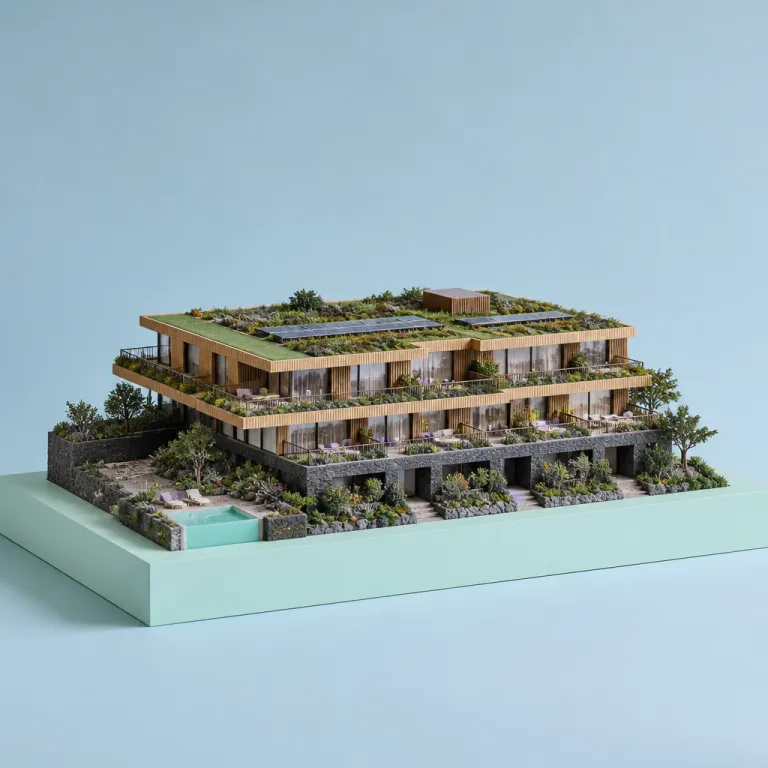
Why 2030 sustainability rules will reshape luxury hotels in the Azores
Luxury hotels in the Azores are entering a decisive decade, and the quiet rule maker is the 2030 sustainability framework. Visitor caps on fragile crater lakes, vehicle limits on narrow azorean roads, and accommodation density rules around coastal dunes will decide which hotel stays remain truly five star. For a business traveler extending a stay on São Miguel island, the smartest move is to choose properties already aligned with these policies rather than chasing short lived openings.
The Azores became the first archipelago certified as a sustainable tourism destination under EarthCheck, and that badge now guides how new luxury resorts are located and licensed. Authorities in Portugal are testing three levers that matter for high end hotels ; entry permits for sensitive areas, caps on combustion vehicles, and strict controls on how many hotels can operate inside protected zones. Properties that ignore this shift risk reduced capacity, curtailed services such as their spa or pool, or even a downgrade in official category just as demand peaks.
For guests, this is not abstract regulation but a question of comfort, access, and long term value. A hotel that cannot secure enough permits for its vans or for access to a volcanic valley may struggle to deliver the seamless transfers that business leisure guests expect. When you plan a stay in the Azores Portugal region now, you are effectively choosing between future proofed luxury hotels Azores wide and those that might feel compromised within a few seasons.
São Miguel’s thermal heartland: Furnas, Terra Nostra and the new sustainability test
On São Miguel, the Furnas valley is where the 2030 rules will bite first, because thermal pools, fumaroles, and dense forest meet in a compact basin. The legendary Terra Nostra garden hotel sits inside this landscape, wrapping its rooms around the steaming Terra Nostra park and its ochre thermal pool. Any hotel located here must now prove that water use, guest numbers, and vehicle access can fit within a fragile volcanic bowl.
Two properties define the high end Furnas conversation ; Terra Nostra with its historic nostra garden and Octant Furnas with its contemporary spa suites. If you are weighing Octant Furnas or Terra Nostra for a future stay São Miguel side, read an honest comparison in this detailed Furnas landmark stays review. Both hotels are moving toward lower impact operations, but the pace and depth of change will determine which one still feels like one of the best hotels on the island once visitor caps tighten.
Business leisure travelers should look for concrete signals rather than vague green messaging. Ask how each hotel manages its thermal pool water, whether grey water is reused in the surrounding garden, and how many rooms they plan to add before 2030. A property that commits to no further expansion, invests in electric transfers from Ponta Delgada, and sources most restaurant produce from nearby Ribeira Grande or local farms will be better placed to keep its full range of services intact.
Ponta Delgada and Ribeira Grande: urban bases that already fit the 2030 envelope
For many executives, Ponta Delgada is the natural base, because meetings, government offices, and the main airport all cluster around this compact Atlantic city. Here, the sustainability challenge is less about raw nature and more about how hotels integrate into an existing urban fabric without adding pressure on roads or water systems. The best hotels in Ponta Delgada are already shifting toward electric fleets, rooftop solar, and azorean sourced menus that reduce freight emissions from mainland Portugal.
Chains such as Bensaude Hotels and Azoris Hotels & Leisure matter because they operate multiple properties and can scale change quickly across their hotels. Bensaude has achieved Travelife GOLD certification, while Azoris is rolling out energy efficient systems and water saving technologies in the Azoris Royal Garden Hotel, often referred to simply as Azoris Royal by frequent guests. These moves align with the 2030 accommodation density rules, because efficient existing buildings in Ponta Delgada reduce the need for new coastal resorts that would face tougher scrutiny.
On the north coast, Ribeira Grande offers a different urban stay on São Miguel island, with easier access to surf beaches and the Santa Bárbara area. Here, properties like Santa Bárbara Eco resort and other low rise suites and villas developments show how luxury resorts can sit lightly on the land while still offering a heated pool, spa treatments, and wide Atlantic views. For a curated overview of where these azores resorts already meet higher sustainability expectations, explore this guide to refined resorts amid island nature before you lock in a long stay.
Coastal retreats and white exclusive style: where expansion risk meets policy reality
Coastal luxury in the Azores has a particular magnetism, especially around São Miguel where lava cliffs drop straight into the Atlantic. Yet this is exactly where the 2030 accommodation density limits and shoreline protection rules will be strictest, because erosion, sea level rise, and habitat loss converge. When you evaluate ocean facing hotels, ask not only about the pool and spa but also about any pending expansion permits that could clash with future regulations.
Properties such as WHITE Exclusive Suites & Villas on São Miguel’s south coast show one path forward, combining a small key count with strong sustainability credentials and a focus on azorean sourced cuisine. WHITE Exclusive has been recognised with a Michelin Key, and it operates more like a private residence with exclusive suites than a conventional resort, which naturally keeps pressure on local infrastructure lower. By contrast, high volume coastal builds that rely on large coach transfers from Ponta Delgada and heavy air conditioning loads may find their operating envelope squeezed as vehicle caps and energy rules tighten.
Eco focused retreats like Solar Branco Eco Estate and Santa Bárbara Eco resort also illustrate how to align coastal stays with the new framework. Solar Branco runs largely on solar energy and emphasises low impact stays, while Santa Bárbara balances suites and villas with dune sensitive landscaping and careful water use. When you plan a stay São Miguel side for both meetings and leisure, choosing these kinds of properties signals to your own company that your travel aligns with corporate ESG goals as well as with the Azores Portugal sustainability roadmap.
How to read a luxury hotel’s sustainability signals before you book
Future proofing your stay in the Azores starts long before you land on São Miguel or another island. The most reliable indicator is third party certification, because it shows that a hotel’s claims about its spa, pool, and wider operations have been audited against clear criteria. Bensaude Hotels, for example, holds Travelife GOLD across several properties, while WHITE Exclusive Suites & Villas has earned a Michelin Key for its refined approach to hospitality.
Look next at how a hotel is located relative to protected areas and how it manages transport. A property inside a sensitive crater or thermal valley that still relies on diesel vans for every airport transfer from Ponta Delgada may struggle once vehicle caps tighten, whereas a hotel on the edge of town with an electric fleet is already aligned with the 2030 rules. Ask specific questions about water reuse in the garden, energy sources for heating the pool, and how the restaurant sources its fish and vegetables from azorean producers.
Tech integration is another quiet marker of seriousness. Hotels working with smart energy management systems, sensor based irrigation for their garden hotel grounds, and digital check in to reduce paper waste are usually thinking beyond marketing. As one summary from the regional sustainability drive puts it ; “Hotels with sustainability certifications”, “Investment in luxury transformation”, and “Plastic bottles eliminated by Royalton Hotels” are not abstract slogans but measurable steps that signal long term resilience. For business leisure travelers, these details translate into reliable comfort, because properties that manage resources well are less likely to face sudden service cuts during your stay.
Booking strategy for business leisure travelers: from policy risk to personal ROI
Executives extending a work trip into leisure time in the Azores face a different calculus from pure holidaymakers. You need reliable Wi Fi, quiet rooms for calls, and a spa or pool to decompress, but you also answer to internal sustainability reporting and ESG metrics. Choosing luxury hotels Azores wide that already meet or exceed the 2030 framework turns your stay into a proof point rather than a liability.
Start by mapping your meetings and then selecting a hotel located to minimise transfers, whether that is in central Ponta Delgada, near Ribeira Grande, or close to key sites on São Miguel island. A well placed azorean property with strong sustainability credentials will reduce both travel time and emissions, while still giving you access to standout restaurants and views. For trips planned several seasons ahead, consult curated resources such as this guide to summer openings to secure before the season peaks, which highlight hotels already adapting to caps, permits, and dispersal policies.
Finally, document your choices. When you select an Azoris Royal Garden stay, a Santa Bárbara Eco retreat, or a WHITE Exclusive suites and villas booking, note the certifications, energy systems, and local sourcing practices that influenced your decision. This turns a personal preference for the best hotels into a structured narrative your company can use in sustainability reports, showing that your time in the Azores Portugal region supported properties aligned with long term environmental and community goals.
Key figures shaping sustainable luxury stays in the Azores
- The Azores Group has committed around €1 billion to a luxury transformation of the archipelago, signalling that high end hotels and resorts are central to the region’s long term tourism strategy.
- Bensaude Hotels currently counts eight hotels with recognised sustainability certifications, including Travelife GOLD, which positions the chain as a benchmark for compliant urban and resort properties.
- Royalton Hotels & Resorts has eliminated approximately 10 million plastic bottles from its operations, illustrating how large hospitality groups can rapidly reduce waste streams relevant to island destinations.
- The regional sustainability roadmap spans a decade long period from early programme launches to full 2030 implementation, giving hotels a clear timeline to upgrade energy, water, and transport systems.
- EarthCheck certification for the Azores as a sustainable tourism destination reinforces the use of caps, permits, and dispersal policies that will directly influence future hotel capacity and guest flows.
FAQ: luxury hotels in the Azores and 2030 sustainability
Which Azores hotels are leading in sustainability ?
Bensaude Hotels, Azoris Hotels & Leisure, Solar Branco Eco Estate, and WHITE Exclusive Suites & Villas are among the leaders, combining certifications with concrete measures such as solar power and water saving systems. These brands operate across São Miguel and other islands, giving travelers multiple options at different price points. Their track record suggests they are better prepared for the 2030 framework than high volume newcomers.
What certifications do these hotels have ?
Bensaude Hotels have achieved Travelife GOLD certification in several properties, reflecting strong performance on energy, water, and community engagement. WHITE Exclusive Suites & Villas has been awarded a Michelin Key, which recognises exceptional hospitality and service standards. Other hotels in the Azores are pursuing various sustainability certifications to align with regional goals.
How are hotels implementing renewable energy in the Azores ?
Many luxury hotels in the Azores are installing solar panels, upgrading to energy efficient appliances, and using smart systems to manage heating and cooling. Solar Branco Eco Estate is a clear example, operating largely on solar energy while maintaining a high comfort level for guests. These investments reduce operating costs and emissions, which supports both profitability and compliance with future regulations.
Why is sustainability so important for Azores hotels ?
Sustainability is essential because the Azores’ appeal depends on intact volcanic landscapes, clean oceans, and authentic azorean communities. Hotels that reduce their environmental impact help preserve these assets, attract eco conscious travelers, and meet tightening regulatory requirements. In turn, this ensures long term viability for luxury properties and stable service levels for guests.
What can travelers do to support sustainable luxury stays in the Azores ?
Travelers can choose certified hotels, participate in low impact activities, and support local businesses during their stay. Using public transport or shared transfers where possible, respecting protected areas, and favouring restaurants that source from azorean producers all make a measurable difference. These choices also encourage more hotels to invest in sustainable practices ahead of 2030.