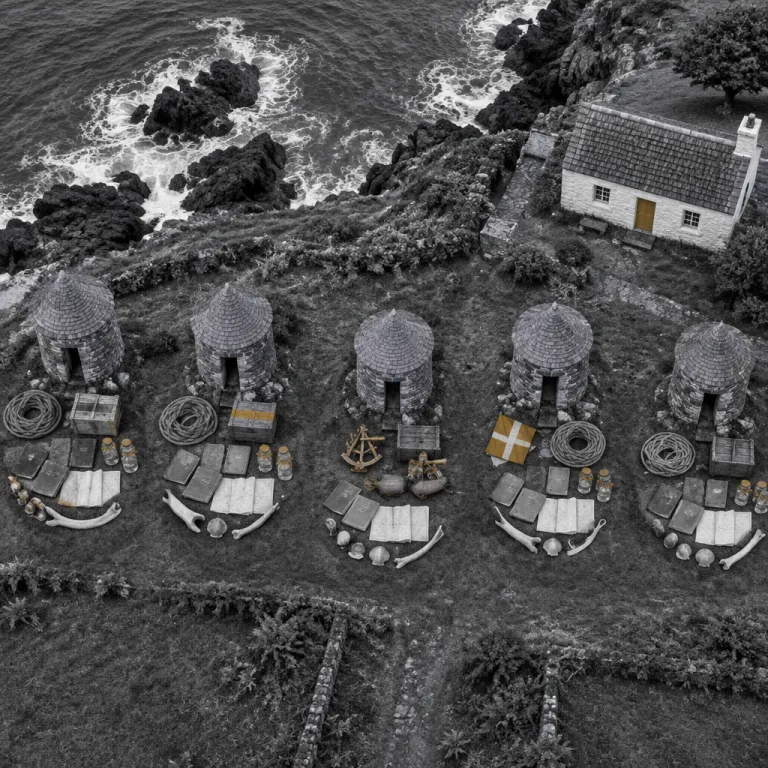
Vigia towers in the Azores whale watching history
The vigia towers of the Azores sit quietly above the Atlantic, yet they hold the sharpest view in the islands. These whitewashed lookout posts once guided Azorean whalers toward a rising whale blow, and today they guide a very different kind of voyage for travelers choosing luxury stays on each island. When you book a premium hotel on São Miguel or Pico Island, you are stepping into a landscape where vigia lookout posts, whales, dolphins and refined hospitality now share the same horizon.
Understanding the vigia towers and their role in Azores whale watching history changes how you plan your Azores travel and where you sleep at night. A vigia, or whale lookout, is a small stone hut perched on a cliff, where a spotter scans the blue ocean for sperm whales, blue whales and mixed pods of whales and dolphins using high powered binoculars. From São Miguel to Faial Island and across to the quieter island Pico, these towers still direct whale watching and dolphin watching boats by radio, turning a former whaling network into a conservation focused system that luxury travelers can respectfully join.
Local guides summarise it simply for guests who want to read the coastline like an insider. “What is a vigia? A vigia is a small lookout used to spot whales.” “When did Azores stop whaling? Whaling ceased in 1986, when the last sperm whale was taken off Pico Island, according to the Regional Directorate for Sea Affairs and regional museum records.” “How many whale species are in the Azores? Over 25 species have been recorded by long term monitoring programs coordinated with the University of the Azores and local operators.” When you choose the best hotel for a long weekend or a single day between meetings, ask the concierge which vigia lookout still works with nearby whale watching operators, because that link to living heritage is what sets the Azores apart from more generic island hopping destinations.
From Yankee whaling to scientific watching from land
The story of vigia towers unfolds in three clear scenes that every curious guest should know. First came the 19th century era when Yankee whaling ships recruited Azorean crews, teaching them how to read a sperm whale’s blow from land and launch open boats from a rocky island cove. Those years forged a coastal culture in places like Lajes do Pico and São Roque on Pico Island, where almost every family had someone tied to whaling, from the lookout in the vigia to the men rowing toward a whale in heavy seas.
The second scene arrived when international pressure and the International Whaling Commission pushed the Azores toward the end of commercial whaling, culminating when Azorean whalers finally laid down their harpoons and the last operational vigia da baleia on São Jorge fell silent as a hunting post. That transition was not romantic at the time, yet it opened space for a new model in which the same vigia lookout practice could support whale watching, dolphin watching and research on sperm whales instead of hunts. For travelers today, this shift is often cited in regional museum displays and publications by the Regional Directorate for Sea Affairs as an early ESG style story in the mid Atlantic, long before sustainability became a marketing line for a luxury hotel.
The third scene began when whale watching operators repurposed the vigias for tourism, using visual spotting from land and radio communication to boats as their core method. On Pico Island, companies such as Espaço Talassa and Terra do Pico still rely on vigia spotters who log species, behaviour and approximate GPS positions before calling boats toward sperm whale or blue whale sightings. A guide in Lajes do Pico will often say, “Without the man in the tower, we are just guessing at sea.” Pair a morning at sea with an afternoon at the Museu dos Baleeiros in Lajes do Pico or the Fábrica da Baleia in São Roque, then return to a vineyard facing retreat recommended in our guide to the currais of Pico and its volcanic vineyards, and the land based whale watching heritage of the Azores will feel fully anchored.
How vigia spotters work today with luxury minded travelers
Step inside a working vigia on São Miguel or Faial Island and the first surprise is its simplicity. A narrow slit window frames the blue Atlantic, a sturdy tripod holds heavy binoculars and a radio links the lookout to whale watching and dolphin watching skippers waiting offshore. The vigia spotter spends long stretches of time scanning the water for the faintest sign of a whale or dolphin blow, then calls precise directions that can bring your RIB within respectful distance in just a few min.
Modern vigia practice is more technical than many guests realise, and that is where the heritage becomes quietly impressive. Spotters now identify sperm whales, blue whales and other species by blow shape, behaviour and movement, then log approximate GPS positions and notes on group size before guiding boats that are often filled with guests from premium hotels in Ponta Delgada or Horta. Regional tourism bodies and local operators report that success rates on peak season trips frequently exceed 95 percent for at least one cetacean sighting, and on a clear day in June, when the best time for watching Azores pelagic life often coincides with calm seas, a single vigia may coordinate several vessels while also sharing data with researchers tracking long term trends in Azores whale populations.
For business travelers extending a stay, this is not just another excursion but a live case study in responsible tourism. Operators such as Terra Azul on São Miguel and smaller outfits near Vigia Furada on Faial Island work closely with local communities to balance guest expectations with strict codes that limit approach distance and time spent with individual whales and dolphins. A typical half day trip might leave Ponta Delgada around 8:30 a.m., spend three hours at sea under the guidance of land based spotters, and have you back at your hotel by lunchtime. When you book a refined city base such as a historic convent conversion in Lisbon through our review of the Hotel Convento do Salvador, then connect onward to the Azores on a two hour flight, you can build an itinerary where every whale watching outing is framed by both comfort and conservation.
Designing a heritage focused stay around vigia towers
Planning a luxury trip around the vigia towers and wider Azores whale watching history starts with choosing the right island and the right hotel. São Miguel suits travelers who want five star comforts, quick access to Terra Azul for whale watching and dolphin watching, and easy drives to working vigias above Vila Franca do Campo or along the south coast. Pico Island and Faial Island appeal to guests who prefer quieter evenings, vineyard views and a stronger sense of whaling heritage woven into each day.
On Pico Island, stay near Madalena or Lajes do Pico and you can combine morning whale watching with afternoon tastings in basalt walled vineyards and sunset walks past old whaling ramps. The best time for a heritage rich itinerary is usually from late spring into early autumn, when sea conditions favour watching Azores marine life and the light on the terra and lava fields is at its most photogenic. A simple one day plan might see you leave Madalena at 9:00 a.m. for a three hour trip, drive 25 minutes to the vineyards for lunch and tastings, then continue another 20 minutes to Lajes do Pico for the museum before returning to your hotel. If you are used to polished urban stays such as those we review at the Madalena by The Beautique Hotels in Lisbon, look for Azores properties that echo that level of service while still feeling rooted in island Pico culture.
For guests with limited time between meetings, consider a two day loop that focuses on one island rather than rushed island hopping across the archipelago. Spend one day at sea with a responsible operator that still uses a vigia lookout, then dedicate the next day to museums, coastal walks and slow lunches where you can read more about the Azores whale story over local wines. Ask your concierge to arrange private transfers to vigia sites such as Vigia Furada or the historic vigia da baleia on São Jorge, and you will experience how a simple stone hut can quietly reshape your understanding of luxury in the Azores.
Citizen science, ESG narratives and why the Azores feel different
For executives used to ESG presentations in boardrooms, the vigia towers and Azores whale watching heritage offer a rare chance to see those principles working in real time. The same communities that once depended on whaling now host whale watching and dolphin watching trips that feed conservation data sets while supporting local livelihoods. Many operators invite guests to help log sightings of sperm whales, blue whales and mixed groups of whales and dolphins, turning a premium excursion into a light form of citizen science that still respects the need for professional oversight.
From a hospitality perspective, this matters because it shapes which hotels deserve your booking. Properties that work closely with responsible whale watching operators, encourage visits to the Museu dos Baleeiros and Fábrica da Baleia, and brief guests on codes of conduct at sea are quietly doing more than those that simply sell a generic watching Azores package at the front desk. When a concierge can explain why a vigia lookout limits boat time with a single sperm whale or blue whale, and how that practice keeps the Azores whale population less stressed than in some crowded destinations, you are seeing real environmental and social governance in action.
Comparisons with Iceland or Norway are tempting, yet the Azores resist easy parallels because of the land based vigia system and the intimacy of each island. Here, a single vigia on Faial Island or island Pico may guide boats all day, while a restored vigia on São Miguel doubles as a tiny heritage site where you can sit beside the spotter and read the sea together. As one curator in Lajes do Pico likes to tell visitors, “Our towers are small, but the view from them changed the islands.” That blend of small scale infrastructure, deep historical memory and high end yet understated hospitality is what makes the Azores one of the best places for travelers who want their luxury to feel as blue and alive as the ocean below the towers.
FAQ about vigia towers and whale watching in the Azores
What is the role of a vigia tower during whale watching trips ?
A vigia tower functions as a land based whale lookout that guides boats toward animals already spotted from shore. The spotter uses binoculars to locate whales and dolphins, then radios directions so that whale watching and dolphin watching vessels can approach efficiently while limiting time spent searching. This system increases the chance of sightings and reduces unnecessary disturbance to sperm whales, blue whales and other species.
When did the Azores stop commercial whaling and start whale watching ?
Azorean commercial whaling ended in the late twentieth century after international pressure and changing local attitudes made the hunts economically and socially untenable. Within a few years, former whalers and coastal communities began working with whale watching operators who repurposed the vigia lookout network for tourism and research. This transition, documented by the Regional Directorate for Sea Affairs and local museums, turned a whaling infrastructure into the backbone of a conservation oriented whale watching industry.
How many whale and dolphin species can be seen around the Azores ?
Waters around the Azores host more than 25 recorded cetacean species, including resident sperm whales and seasonal visitors such as the blue whale. This diversity, reported by regional monitoring programs and university led surveys, combined with the vigia system and deep ocean trenches close to each island, gives the region one of the highest whale watching success rates in Europe. Travelers staying on São Miguel, Pico Island or Faial Island can often see several species of whales and dolphins during a single trip.
What is the best time of year for whale watching in the Azores ?
The best time for whale watching in the Azores generally runs from spring through early autumn, when sea conditions are more stable and daylight hours are longer. Months such as May and June are particularly valued for the chance to see migrating blue whales alongside resident sperm whales. Outside this window, some operators still run trips, but weather can be less predictable and departures may be shorter or more limited.
How can luxury travelers integrate vigia heritage into their hotel based itinerary ?
Luxury travelers can ask their hotel concierge to arrange whale watching trips with operators who still work closely with vigia spotters on São Miguel, Pico Island or Faial Island. Combining a morning at sea with an afternoon visit to a restored vigia or to museums such as the Museu dos Baleeiros provides context that elevates the experience beyond a simple excursion. Choosing hotels that highlight this heritage in their guest information and partnerships ensures your stay supports both comfort and cultural preservation.