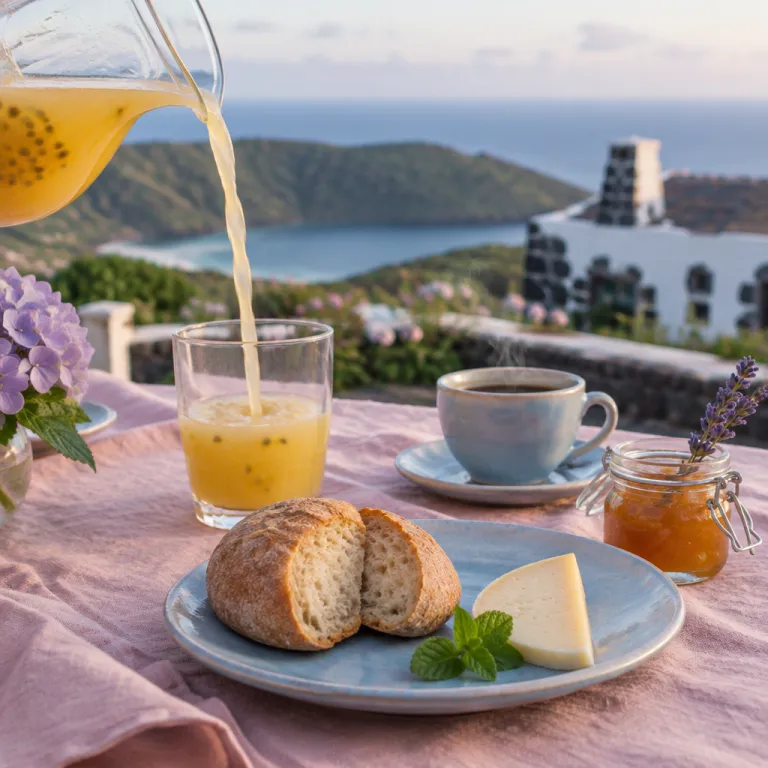
Corvo and Graciosa for the corvo graciosa azores off grid stay
On the far edges of the Azores, Corvo and Graciosa redefine luxury as silence and space. A low‑key, off‑grid escape to these two islands is less about amenities and more about how much of the landscape you can have to yourself, especially when the autumn light softens and the last summer crowds have gone. For travelers used to São Miguel or Terceira, these islands feel like a different century.
Corvo is the smallest inhabited island in the Azores, a single village pressed between Atlantic cliffs and a vast volcanic bowl. The Caldeirão crater lakes dominate the interior of Corvo island, and walking the rim in clear weather is one of the best low key hikes in the archipelago for a reflective trip. Time stretches here; there are no hot springs, no shopping streets, just the Atlantic, the crater, and the slow rhythm of local life.
Graciosa sits low and white on the horizon, a UNESCO Biosphere Reserve since 2007, where vineyards, windmills, and fields roll gently to the sea. An off‑grid stay on this island means trading spectacle for subtlety, with Furna do Enxofre’s cave and thermal waters providing the main drama underground. The pace on Graciosa island suits travelers who want several days of quiet drives, short walks, and long lunches with local wine.
For Azores travel focused on disconnection, these two islands work best as a pair. Corvo offers almost pure emptiness, while Graciosa adds a softer agricultural landscape and the UNESCO label that reassures some travelers about conservation standards. Together they anchor an itinerary that contrasts sharply with the more visited Azores islands such as São Miguel island or Terceira island.
What “off grid” really means on Corvo island
Corvo is where the idea of a remote Azores retreat becomes literal, not marketing. The island has one village, Vila do Corvo, a short airstrip, and a handful of guesthouses and rural homes, so every bed matters in peak travel seasons. When the last SATA Air Açores plane leaves and the wind rises, you feel just how far this island sits from Ponta Delgada or Faial island.
Days on Corvo island revolve around the Caldeirão crater lakes, the changing Atlantic light, and the small harbor where local boats come and go. You walk up to the crater rim, watch clouds pour over the lip, then drop back to the village café where whale watching stories drift between tables. The best moments are unscheduled: a fisherman pointing out a distant whale blow, or a local elder explaining how winter storms shape island life.
Logistics are the trade off for this level of remoteness, and you must respect them. Flights link Corvo with Flores and occasionally other Azores islands, but weather can cancel services for days, so build slack into any trip that includes this island. Ferries are seasonal and subject to Atlantic moods, which means your time on Corvo might stretch longer than planned, and that is part of the appeal for some travelers.
There is no need for a car rental on Corvo; the island is small enough to cross on foot or with a local transfer to the crater. Accommodation leans toward simple guesthouses and restored village houses, such as small casas in Vila do Corvo, not resorts, and that fits the off‑grid mindset. If you need a spa, a pool, or structured whale watching excursions every day, Corvo island will likely feel too bare.
For travelers drawn to seabirds and the Atlantic sky, planning an autumn stay here pairs well with a wider Azores travel focus on migration, as outlined in this guide to the autumn sky show and seabird passage. The same weather systems that bring birds also shape flight schedules, so flexibility is your most valuable luxury. Those who can surrender to that rhythm often find Corvo becomes the island they remember most vividly.
Graciosa’s quiet thermal rhythm and UNESCO landscape
Where Corvo is stark, Graciosa is gentle, and that contrast defines a corvo graciosa azores off grid stay that includes both islands. Graciosa island carries the UNESCO Biosphere Reserve designation, which protects its agricultural mosaic of vineyards, pastures, and low stone walls. The island’s whitewashed villages and old windmills give it a softer profile than the dramatic crater lakes of São Miguel or the black lava of Pico island.
The island’s subterranean heart lies in Furna do Enxofre, a vast lava cave with a sulfur lake and a domed ceiling accessed by a long spiral staircase. This is not a spa complex with polished hot springs like some travelers expect from São Miguel island; it is raw geology, lightly managed, and best visited with respect for both the fumes and the silence. Above ground, simple thermal pools and local bathing spots offer low key ways to soak after a day of walking or driving.
Graciosa rewards travelers who like to move slowly by car along empty roads, stopping at viewpoints and small coves. A rental car is almost essential here, because buses are sparse and the best corners of the island sit beyond the main village. Over several days you can loop the coastline, pause at small caldeiras, and settle into a rhythm that feels closer to rural mainland Portugal than to the busier Azores islands.
Accommodation on Graciosa tends toward restored farmhouses, small quintas, and village guesthouses, often run by local families. There are no large resorts, which keeps the off‑grid feeling intact, but it also means you must book early in peak travel periods. For travelers who like the rural quintas of Santa Maria or the quieter corners of Faial island, Graciosa will feel like a natural next step, as explored in this piece on rural quintas beating the resorts.
Evenings are quiet, with a few restaurants serving local fish, beef, and the island’s own wines. If you need nightlife, shopping, or a choice of whale watching operators, you are better served basing yourself on São Miguel or Terceira island and visiting Graciosa briefly. If, instead, your idea of the best luxury is hearing only the wind and the sea, Graciosa island will feel exactly right.
Designing an Azores itinerary around less, not more
Planning a corvo graciosa azores off grid stay means rethinking how you structure an Azores travel itinerary. Instead of racing between every island, you choose a few and give them time, accepting that weather, ferries, and inter island flights will shape the trip as much as your own preferences. Corvo and Graciosa sit naturally at the quiet end of a route that might also include São Miguel island, Pico island, or Faial island.
Many travelers start in Ponta Delgada on São Miguel, where crater lakes, hot springs, and whale watching excursions create a more classic Azores experience. From there you can connect to Terceira island or Faial island, then push outward to São Jorge island, Pico island, and finally the remote pair of Corvo and Graciosa. This arc lets you feel the gradient from busier islands to the near emptiness that defines the off‑grid stay on these two outposts.
Logistically, it helps to think in clusters of islands rather than isolated hops. São Miguel, Terceira, and Faial form one practical triangle, while Pico, São Jorge, and Faial island create another, with ferries and short flights linking them in both directions. Corvo usually pairs with Flores, and Graciosa often links via Terceira island, so you must allow extra days for weather delays and schedule changes.
Car rental is essential on most larger islands such as São Miguel, Pico, Faial, and Terceira, where distances and viewpoints demand flexibility. On smaller islands like Corvo, a car is unnecessary, while on Graciosa a compact rental car turns a quiet stay into a series of gentle explorations. For a curated overview of where to sleep across this spread of islands, the elegant guide to the finest hotels in Portugal and the Azores is a useful starting point.
When you plan, resist the urge to count islands like trophies. Two or three islands over ten days, with Corvo and Graciosa as the final, quiet chapters, often yields a richer trip than trying to tick off every island São or island Terceira combination on the map. The best itineraries leave room for cancelled ferries, extended stays, and the kind of unplanned afternoon that becomes the story you tell later.
Who thrives on this kind of remoteness, and who does not
A corvo graciosa azores off grid stay is not for every traveler, and that is precisely why it works so well for some. These islands suit solo explorers, couples, and small groups who value silence, walking, and long conversations over structured entertainment. If you need a spa menu, a kids’ club, or daily shopping, you will be happier on São Miguel island or Terceira island.
The travelers who thrive here are comfortable with uncertainty and slow time. They accept that whale watching might mean scanning the horizon from a cliff rather than boarding a rigid inflatable boat, and that the best meal could be whatever the local restaurant happens to be serving that night. For them, the scarcity of options on Corvo and Graciosa is not a limitation but a filter that keeps the experience focused.
On the other hand, some visitors will feel constrained by the lack of choice. If you are used to the variety of activities on Pico island, from climbing Pico São mountain to touring vineyards, or the cultural density of Terceira island with its UNESCO listed Angra do Heroísmo, Corvo’s single village may feel too small after a day or two. Graciosa’s gentle landscape can also seem uneventful to travelers who prefer the dramatic crater lakes and hot springs of São Miguel island.
Think carefully about how you like to spend your days before committing. If your ideal Azores travel day involves a rental car, a few short hikes, a swim, and a quiet dinner, then Corvo and Graciosa will likely feel like the best part of the trip. If you crave constant stimulation, you might instead use these islands as short, two day interludes between more active stays on São Jorge island, Faial island, or Miguel Terceira combinations.
Ultimately, the corvo graciosa azores off grid stay is about choosing depth over breadth. You trade the checklist of every Azores island São combination for a handful of places you know intimately, including two where the main activity is simply being there. For the right traveler, that trade is not a compromise but the purest form of luxury the Azores can offer.
How Corvo and Graciosa fit alongside São Miguel, Pico, Faial, and Terceira
To understand the appeal of a corvo graciosa azores off grid stay, it helps to place these islands within the wider Azores constellation. São Miguel island, with its crater lakes at Sete Cidades and Furnas hot springs, offers the most varied experiences and the broadest range of hotels and guesthouses. Terceira island adds a UNESCO listed city, Angra do Heroísmo, and a lively local culture that contrasts sharply with the quiet streets of Corvo village.
Pico island and Faial island form another classic pairing, linked by short ferries and a shared history of whale watching and transatlantic sailing. Pico São mountain dominates the skyline, while Horta on Faial São channel remains a meeting point for yachts and long distance sailors, giving these islands a more outward looking energy. São Jorge island stretches between them, its fajãs and cliffs offering some of the best hiking in the Azores islands for travelers who like long days on foot.
Against this backdrop of activity, Corvo and Graciosa feel like punctuation marks. They are where you go when you have had your fill of crater lakes, hot springs, and organized whale watching tours, and you want an island where the main decision is which direction to walk after breakfast. The off‑grid pairing of Corvo and Graciosa becomes the quiet coda to a trip that might start in Ponta Delgada, loop through Miguel Faial and Jorge São combinations, and end in near silence.
For many travelers, the best structure is to begin with São Miguel and Terceira, move through Pico and Faial, then finish with São Jorge and finally Corvo and Graciosa. This sequence lets you experience the full range of Azores travel, from the busiest hubs to the most remote islands, without backtracking too much by car or plane. It also builds a narrative arc, where each island adds a new layer before you strip everything back to essentials on Corvo and Graciosa.
When you leave, you may find that your memories of the Azores are not dominated by the famous viewpoints or the busiest islands. Instead, it might be a quiet evening on Graciosa, or a windy afternoon on the rim of Corvo’s crater, that stays with you longest. That is the quiet power of choosing disconnection as the point, not an afterthought, in your Azores itinerary.
FAQ about Corvo, Graciosa, and off grid Azores stays
How many days should I spend on Corvo and Graciosa ?
Most travelers find that one or two days on Corvo island and three or four days on Graciosa island strike a good balance. Corvo is small enough to explore in a single full day, especially if you focus on the Caldeirão crater lakes and the village. Graciosa rewards a longer stay, because having extra days allows for slow drives, cave visits, and weather flexibility.
Do I need a car rental on these islands ?
You do not need a car on Corvo, because the island is tiny and local transfers can take you to the crater. On Graciosa, a rental car is highly recommended, as public transport is limited and many viewpoints and coves sit away from the main village. On larger Azores islands such as São Miguel, Pico, Faial, and Terceira, a car rental is almost essential for independent exploration.
Is there reliable whale watching from Corvo and Graciosa ?
Dedicated whale watching operators are more common on São Miguel island, Pico island, and Faial island than on Corvo or Graciosa. From Corvo, you may join small local boat trips in season, but schedules are weather dependent and limited. Graciosa has occasional marine excursions, yet serious whale watching is better planned from the main hubs and combined with a quieter corvo graciosa azores off grid stay before or after.
How do I reach Corvo and Graciosa from Ponta Delgada ?
From Ponta Delgada on São Miguel island, you typically fly to Flores or Terceira island first, then connect onward to Corvo or Graciosa. Routes and frequencies vary, and weather can disrupt flights, so always allow buffer days in your Azores travel plan. Ferries may operate seasonally between nearby islands, but they are also subject to Atlantic conditions.
Who should avoid a corvo graciosa azores off grid stay ?
Travelers who need constant activity, nightlife, or extensive dining and shopping options may feel frustrated on these islands. Families with very young children who require structured entertainment might also struggle, especially on Corvo where facilities are minimal. If you prefer the energy of São Miguel, Terceira, or Pico, consider visiting Corvo and Graciosa only as short, two day side trips.