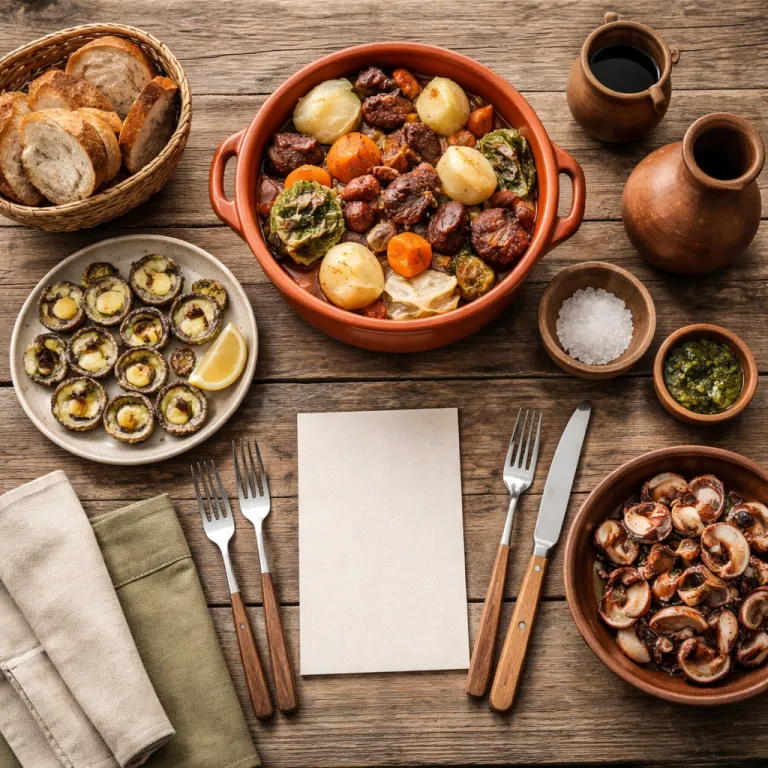
Azorean food menu guide for solo luxury travelers
Think of this Azorean food menu guide as your quiet ally. It is written for the solo traveler who checks into a polished hotel on a remote island and then freezes when the waiter hands over a dense Portuguese card. On the Azores islands, where volcanic soil, Atlantic fish and monastic dairy shape every plate, knowing a few key words unlocks the kind of meals that locals actually eat.
Luxury properties across the Azores, from São Miguel to Pico island and Terceira island, now lean hard into regional cooking rather than importing ideas from mainland Portugal. That means your dinner in a five star dining room in Ponta Delgada or on São Miguel island will probably feature the same meat, cheese and fish that Azorean families order in village restaurants, just plated with more precision. This practical menu primer is designed to bridge that gap so you can eat Azores style with confidence, whether you are in a hotel restaurant or a tiny tasca.
On São Miguel, especially around Furnas and Ponta Delgada, menus often mix Portuguese classics with very specific local dishes such as cozido das Furnas and bolo lêvedo. On Pico and São Jorge, you will find fish stew, grilled limpets and raw milk cheeses that rarely leave the island, while Terceira island leans into slow cooked meat and convent sweets like Dona Amélia cakes. Across the Azores islands, the pattern repeats; if you can read the words for meat, fish, cheese, stew, tea and wine, you can usually find the most local option on any card and order it without the staff defaulting to English.
The five menu items every solo diner should recognise
Start with the three pillars of this Azores dining guide: cozido das Furnas, lapas grelhadas and polvo guisado. Cozido das Furnas, often shortened on menus to cozido das or simply cozido, is the emblematic Azorean stew of mixed meat and vegetables cooked in volcanic steam near Furnas, and luxury hotels such as Octant Ponta Delgada or their sister property in the valley use it as a signature experience (as described in their own promotional material). As the verified local description from Visit Azores puts it, “Cozido das Furnas is a traditional Azorean stew cooked using volcanic steam in the hot springs of Furnas,” a line that appears in official tourism brochures and on the Visit Azores website.
Lapas grelhadas are grilled limpets, usually served sizzling in garlic butter, and they are the starter you should eat Azores style on almost every island. Menus on São Miguel island, Pico island and São Jorge often list them simply as lapas, sometimes with a note that they are from a particular bay or island, and they pair beautifully with a chilled Azorean white wine such as Verdelho from Pico. Polvo guisado, an octopus stew that is especially associated with Pico and Faial but appears across the Azores islands, is rich, wine braised and deeply savoury, and it is the dish that quietly converts many visitors who thought they did not like octopus.
Round out your core vocabulary with bolo lêvedo and massa sovada, two breads that appear at breakfast in hotels and as sides at dinner. Bolo lêvedo, and its plural bolos lêvedos, are sweet, muffin like rounds from São Miguel that you will often find toasted beside cheese or meat, while massa sovada is a denser, slightly sweet loaf linked to Espírito Santo festivities on several islands. For dessert, look for Dona Amélia cakes on Terceira island and in good pastry shops on other islands; they are dark, spiced and made with molasses, and they sit alongside more familiar Portuguese sweets imported from mainland Portugal.
These five items — cozido das Furnas, lapas grelhadas, polvo guisado, bolo lêvedo and Dona Amélia — form the backbone of any practical Azorean food menu guide for hotel guests. Once you can recognise their singular and plural forms on a card, you can scan a menu in Ponta Delgada, on São Miguel island or in a dining room overlooking Pico’s vineyards and immediately find something both local and luxurious. For a deeper sense of how high end properties are building menus around these dishes, the analysis of vineyard side stays on Pico in this Azores vineyard hotel trend piece shows how closely wine and food are now intertwined, and local tourism reports often highlight the same connection between Verdelho, currais and seafood.
Sample menu lines you might see: “Cozido das Furnas tradicional (para 2 pessoas)”, “Lapas grelhadas com manteiga de alho”, “Polvo guisado à moda do Pico”, “Bolos lêvedos tostados com queijo local”, “Queijo de São Jorge DOP e Dona Amélia”.
Pronouncing the essentials so staff stay in Portuguese
On a luxury property in the Azores, the staff will usually switch to English the moment they sense hesitation, which is kind but often kills the chance of a truly local recommendation. This section is less about perfect phonetics and more about giving you enough sound to keep the conversation in Portuguese, especially on São Miguel and in Ponta Delgada where service teams are used to international guests. Aim for clear, confident syllables rather than worrying about an accent that matches someone from mainland Portugal.
Quick pronunciation cheat sheet
Cozido das Furnas → “coh-ZEE-doo dahsh FOOR-nash”
Lapas grelhadas → “LAH-pash grel-YAH-dash”
Polvo guisado → “POHL-voh gee-ZAH-doo”
Bolo lêvedo / bolos lêvedos → “BOH-loo LEH-veh-doo” / “BOH-loosh LEH-veh-dosh”
Massa sovada → “MAH-sah so-VAH-dah”
Verdelho do Pico → “oom ver-DEL-yo doo PEE-co”
For cozido das Furnas, break it down as “coh-ZEE-doo dahsh FOOR-nash” and, if you want to reference the place, add “das Furnas” when you are on São Miguel island. Lapas grelhadas becomes “LAH-pash grel-YAH-dash”, and you can simply point to the starter section and say “Quero lapas grelhadas” to signal that you want to eat local shellfish rather than imported meat. Polvo guisado is “POHL-voh gee-ZAH-doo”; if you are on Pico island or São Jorge, mentioning that you want polvo from that island often nudges the waiter to suggest the freshest option.
Bolo lêvedo sounds like “BOH-loo LEH-veh-doo” in the singular and bolos lêvedos like “BOH-loosh LEH-veh-dosh” in the plural, and ordering it at breakfast in a hotel on São Miguel island is a subtle way to show you are paying attention to Azorean detail. Massa sovada is “MAH-sah so-VAH-dah”, and if you mention Espírito Santo when you order it on Terceira island, you will usually get a smile and sometimes a story. When you ask about wine, saying “um Verdelho do Pico” — “oom ver-DEL-yo doo PEE-co” — signals that you understand the unwritten rule that Verdelho from Pico’s currais is the default white wine for seafood across the Azores islands, a point repeated in many wine guides and cellar notes.
Even if you misplace a syllable, the effort to pronounce these words anchors you in the room and invites better guidance from staff who grew up on the island. Azorean chefs and local fishermen, the quiet actors behind most serious hotel menus, respond well when guests show interest in how they eat Azores style at home rather than asking for generic fish or meat. Use this Azorean food menu guide as a script, not a test; the goal is to keep the exchange human, local and rooted in the island where you are staying.
Pairing logic: from cozido to lapas and polvo
Wine lists in luxury hotels across the Azores can look deceptively short, but they are usually tightly curated around what the islands actually produce. The key to this Azorean food menu guide is understanding that you are not choosing between dozens of grape varieties; you are choosing between a handful of Azorean whites, a few reds from mainland Portugal and perhaps one or two sweet wines. Once you grasp that structure, pairing cozido, lapas and polvo becomes straightforward.
Cozido das Furnas is a dense stew of beef, pork, chicken, sausage and root vegetables cooked underground in volcanic steam near Furnas, and its richness calls for a red with enough structure to cut through the fat. On São Miguel and in Ponta Delgada, many hotel sommeliers will suggest a robust red from the Dão or Douro regions of mainland Portugal, which travel well to the island and stand up to the meat. If you prefer to keep everything within the Azores islands, look for a rarer red from Pico island or Terceira island, often made in small quantities, and ask the staff to recommend something that locals drink when they eat this stew.
Lapas grelhadas, by contrast, are all about salinity and garlic, and they shine with a crisp Azorean white wine. Verdelho from Pico’s stone walled vineyards — the currais that line the coast of Pico and are frequently mentioned in regional wine documentation — is the classic pairing, and the unwritten rule is simple: if you are eating shellfish or grilled fish anywhere in the Azores, Verdelho from Pico is your first choice. On menus, you might see labels that specify Pico island or even a sub region within Pico; when in doubt, ask for a Verdelho that the staff would open for themselves after a whale watching shift or a long day with local fishermen.
Polvo guisado sits somewhere between the two, with the depth of a meat stew and the delicacy of fish, and it can handle both structured whites and lighter reds. Many Azorean chefs quietly favour an aged Verdelho or a slightly fuller white from São Miguel island with octopus, especially in restaurants attached to high end hotels where the cellar is deeper. For dessert, when you move to Dona Amélia cakes, bolo lêvedo with cheese or other sweets dos Açores, a small glass of fortified wine from mainland Portugal or a late harvest Azorean white is often the best time to experiment with something richer.
Island by island: reading hotel menus across the Azores
Menus shift subtly as you move from island to island, and a good Azorean food menu guide should help you read those changes as clearly as a map. São Miguel island, the largest in the Azores, is where you will most often see cozido das Furnas, fish stew, grilled meat and a wide range of cheeses on hotel cards, especially in and around Ponta Delgada. If you are staying in a refined property on the green island, this overview of São Miguel refined stays pairs well with a close reading of the room service menu, which usually mirrors the main restaurant.
On Pico island, the logic flips; wine leads, and food follows. Hotel restaurants here often build their menus around Verdelho and other Azorean whites, with lapas grelhadas, polvo guisado and grilled fish appearing in multiple forms so guests can eat local seafood with different bottles over several nights. São Jorge, famous for its raw milk cheese, tends to feature cheese boards, meat stews and simple grilled fish, while Terceira island leans into slow cooked meat, Espírito Santo breads like massa sovada and desserts such as Dona Amélia that appear under a broader heading of doces dos Açores.
Across the Azores islands, tea from São Miguel’s plantations occasionally appears on dessert menus, either as a drink or infused into sweets, and it is worth ordering when you want a non alcoholic finish that still feels rooted in the place. Whale watching hubs such as Ponta Delgada and Horta often have hotel bars that serve small plates of lapas, cheese and bolo lêvedo so guests can eat Azores snacks after a day at sea without committing to a full dinner. Whatever the island, the best time to secure a table for the most local dishes is usually the earlier part of dinner service, roughly between 7:00 p.m. and 8:30 p.m., when the kitchen still has full trays of stew, fresh fish and breads coming out of the oven.
Behind these menus stand Azorean chefs and local fishermen who work with traditional cooking techniques and, in the case of Furnas, geothermal heat, to preserve a culinary heritage that is increasingly central to high end tourism in Portugal. Luxury hotels partner with local restaurants and food suppliers rather than importing everything from mainland Portugal, which means that when you read a menu carefully, you are effectively reading a map of the island’s fields, pastures and fishing grounds. Use this Azorean food menu guide as a way to find those connections, and you will eat in a way that feels both indulgent and genuinely local on every island you visit.
Practical ordering tips for hotel guests in the Azores
Once you can read the key words, the next step in this Azorean food menu guide is learning how to order like someone who belongs at the table. In luxury hotels across the Azores, staff are trained to anticipate international preferences, so you may need to signal clearly that you want to eat local rather than defaulting to generic grilled meat or imported fish. A simple way to do this is to ask, in Portuguese or English, which dishes are most typical of that island and then choose from the list that includes cozido das Furnas, lapas grelhadas, polvo guisado, bolo lêvedo, massa sovada or Dona Amélia.
Reserve tables in advance when you know you want a specific dish, especially in Furnas where only a limited number of restaurants and hotel kitchens prepare the volcanic stew each evening. In that valley on São Miguel, local tourism offices and Visit Azores list roughly a dozen restaurants that serve cozido cooked in the ground, and hotel concierges can usually tell you which ones focus more on tourists and which still feel like local dining rooms. On other islands, asking about the fish of the day, the cheese selection or the house stew is often the best way to find what Azoreans themselves eat when they go out.
Check restaurant hours carefully, as many hotel kitchens in the Azores islands keep a tighter schedule than their counterparts in mainland Portugal, and the best time to arrive is usually within the first hour of service. If you are planning a long day that includes whale watching, hiking or tea plantation visits on São Miguel island, consider a lighter lunch of cheese, bolo lêvedo and salad so you can fully enjoy a richer dinner with wine pairings. Above all, remember that menus here are not just lists of dishes; they are compact stories of each island, and with a few words from this Azorean food menu guide, you can read them fluently enough to order with confidence, even when you are dining alone.
FAQ
What is Cozido das Furnas and where should I try it ?
Cozido das Furnas is a traditional Azorean stew of mixed meat and vegetables cooked underground using volcanic steam in the Furnas valley on São Miguel island. The best place to try it is in Furnas itself, either in a dedicated local restaurant or in a hotel that coordinates with the communal cooking pits described in municipal guidelines. Reserve in advance and aim for an early dinner slot so the stew is served at its peak, as many kitchens prepare a fixed number of portions each evening.
How are lapas grelhadas usually served in Azorean hotels ?
Lapas grelhadas, or grilled limpets, are typically served on a hot metal plate with garlic, butter and lemon, often as a starter or bar snack. In hotel restaurants on São Miguel, Pico island and Terceira island, they may be paired with a glass of Verdelho white wine from Pico, a match frequently recommended in regional wine tastings. Look for them in the petiscos or starters section of the menu and order them to share, even if you are dining solo.
What is Polvo guisado and how does it differ from grilled octopus ?
Polvo guisado is an octopus stew, usually braised slowly with wine, tomatoes, onions and herbs until the meat is tender and the sauce is thick. Grilled octopus, by contrast, is cooked quickly over high heat and often served with potatoes and olive oil. On Pico island and São Jorge, many hotel menus offer both versions, so you can choose between a lighter grilled dish and a richer stew.
Are Azorean breads like bolo lêvedo and massa sovada only for breakfast ?
No, bolo lêvedo and massa sovada appear throughout the day in the Azores. Hotels often serve bolo lêvedo at breakfast, but you will also find it toasted with cheese or meat as a snack, while massa sovada can accompany meat dishes or be served with butter and tea. When in doubt, ask the staff which bread they recommend with your chosen dish.
Do luxury hotels in the Azores cater well to solo diners at dinner ?
Most luxury and premium hotels in the Azores are very comfortable for solo diners, especially at dinner. Staff are used to guests traveling alone for whale watching, hiking or spa retreats, and they will usually offer bar seating, window tables or quieter corners. Using a few local food terms from this Azorean food menu guide often sparks conversation and leads to more personalised recommendations.