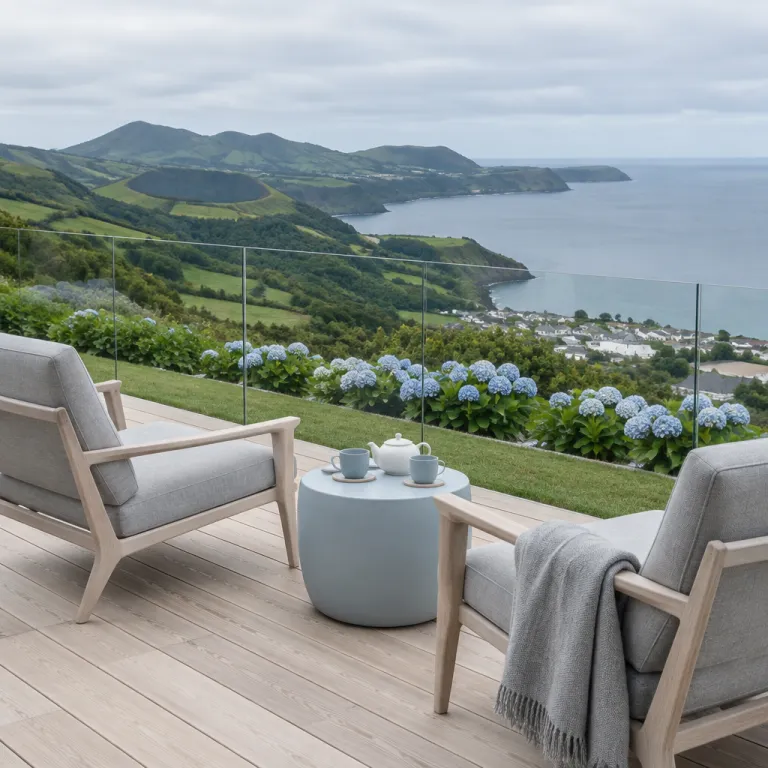
Understanding the best time to travel to Portugal for luxury Azores stays
The best time to travel to Portugal depends on how you balance comfort, privacy, and access to refined experiences. For luxury travelers planning a trip to the Azores and Madeira, the most rewarding season often sits just outside the classic peak season of high summer. This is when Portugal weather is gentle, the ocean is calmer, and high-end properties can curate more tailored stays with fewer crowds.
When you visit Portugal for an upscale island escape, think in terms of light and time rather than only temperature. Long days in late spring and early fall create a good time for slow breakfasts on panoramic terraces, followed by walking excursions along coastal trails or vineyard paths. Many guests find that the best season for a trip Portugal itinerary that combines Lisbon, Porto, the Douro Valley, and the Azores Madeira archipelagos is from late April to early June and again from mid-September into early November.
Luxury and premium hotels in the Azores work year round, but they subtly adjust their services to each season. In summer, curated whale watching, private sailing, and helicopter transfers are at their peak season, while in Portugal spring and early fall, concierges focus more on hiking, geothermal spa rituals, and gastronomy. As one São Miguel hotelier notes, “Our guests who come in May or October often feel they have the islands to themselves.” If you are visiting Portugal primarily for wellness, quiet contemplation, and refined dining, the best time to travel to Portugal is usually when the islands are bathed in soft light and there are noticeably fewer crowds.
Spring and early summer in the Azores: refined calm before peak season
From March to early June, Portugal weather in the mid-Atlantic feels fresh, with average daytime temperatures in the Azores around 15–22 °C. This is a great time for guests who value tranquillity, because there are fewer visitors in São Miguel, Pico, and Faial, yet most premium hotel services are fully operational. For a luxury trip, this season offers the best balance between attentive service, flexible room categories, and access to signature experiences such as private geothermal pool reservations or chef-led tasting menus.
During Portugal spring, the islands turn intensely green, hydrangeas begin to bloom, and walking trails around Sete Cidades or Lagoa do Fogo are at their most photogenic. Many travelers choose this time to visit Portugal when they want to combine a few days in Lisbon or Porto with a restorative stay in the Azores before continuing to Madeira Portugal. If you enjoy slow travel Portugal itineraries, consider four to six days in the Azores, followed by three days in Lisbon Porto combined, which allows you to adjust to the weather and explore at a measured pace.
For food-focused guests, spring is a good time to arrange curated tastings of local coffee, pineapple, and tea, which are highlighted in this in-depth guide to Azorean crops worth a half day each. These experiences pair beautifully with stays in properties that emphasize farm-to-table cuisine and discreet service. When you plan your time visit during this season, communicate your walking preferences and dietary interests to the concierge, so they can align your visiting Portugal schedule with the most suitable microclimates on each island.
Late summer and fall in the Azores: when luxury meets harvest season
By late summer, the best time to travel to Portugal shifts toward guests who enjoy warm evenings, ocean swimming, and longer days. In August and early September, the Azores experience their closest version of peak season, with higher demand for suites, ocean-view rooms, and private excursions. For those who want the energy of summer without the busiest weeks, late September and the period from late September to October are often a great time to secure premium stays with more flexibility.
During this part of the year, Portugal weather in the Azores usually remains mild, with sea temperatures around 22–24 °C, which is ideal for sailing and snorkeling. Many luxury travelers pair the Azores Madeira combination, spending several days in the Azores before flying to Madeira Portugal for levada walking and clifftop dining. If your trip Portugal includes wine, this is also the moment when the Douro and the unique vineyards of Pico come alive with harvest activity, making it a good time to connect your island stay with the Douro Valley.
On Pico Island, the UNESCO-listed vineyards of Criação Velha offer a striking volcanic landscape, and this guide to where to drink Verdelho where it is actually born is particularly relevant for oenophiles. Luxury hotels often coordinate private transfers, sommelier-hosted tastings, and sunset walking tours through the vineyards during this season. When visiting Portugal at this time, plan at least three to five days in the Azores to fully enjoy these experiences before continuing to the Douro or to Lisbon Porto for urban gastronomy.
Winter and year round stays: how Azores luxury adapts to the Atlantic
While many travelers think of summer as the only best season, the Azores quietly excel as a year-round destination for reflective, wellness-oriented stays. Winter brings cooler Portugal weather, with daytime temperatures often between 12–17 °C, but the Gulf Stream keeps conditions milder than in much of mainland Portugal. For guests who appreciate dramatic skies, geothermal pools, and slow indoor rituals, this can be a surprisingly good time to travel Portugal and focus on spa, gastronomy, and culture.
In winter, luxury hotels in the Azores emphasize interior comfort, with fireplaces, heated pools, and extended tasting menus that highlight local seafood and pasture-raised meats. Walking excursions continue, but concierges adapt routes and times to the weather, often suggesting shorter coastal walks or sheltered forest trails. One Pico-based guide explains, “In January we watch the clouds as closely as the tide tables, then choose the calmest window of the day for each walk.” When you visit Portugal in this season, you will usually encounter fewer crowds, more attentive service, and a calmer pace that suits long stays of seven to ten days.
Because the islands operate year round, premium properties refine their programming to match each season, from whale watching in late spring to storm watching in deep winter. If your trip Portugal includes both the Azores and mainland cities, consider starting in Lisbon, then flying to the islands for restorative days before ending in Porto or the Douro Valley. For many repeat guests, the best time to travel to Portugal becomes less about the calendar and more about the mood they seek, whether that is the energy of peak season or the intimacy of quieter months.
Combining Lisbon, Porto, Douro Valley, Azores, and Madeira in one refined itinerary
For travelers planning a multi-stop journey, the best time to travel to Portugal is often when you can connect Lisbon, Porto, the Douro Valley, the Azores, and Madeira in a single coherent arc. A classic pattern is to begin your visit Portugal experience in Lisbon, where you adjust to the time zone and enjoy two or three days of urban culture and gastronomy. From there, many guests continue to Porto and the Douro, then fly to the Azores or Madeira Portugal for a restorative finale.
When visiting Portugal in late spring or early fall, you can often enjoy comfortable Portugal weather across all these regions, with warm but not oppressive temperatures. This is a good time to schedule walking tours in Lisbon Porto, vineyard visits in the Douro Valley, and coastal hikes in the Azores Madeira combination. If you prefer fewer crowds, aim for shoulder periods such as late April, early June, or the weeks around late September and early October, when premium hotels still operate at full capacity but demand is more balanced.
For detailed inspiration on where to stay and which regions pair well together, this elegant guide to the best places to visit in Portugal for refined stays offers curated suggestions. When you design your travel Portugal itinerary, allocate at least two nights in Lisbon, two in Porto or the Douro, and four to six in the Azores or Madeira to avoid rushed transfers. This rhythm allows you to experience both the cultural density of the mainland and the contemplative pace of the islands during the same trip Portugal journey.
Hidden gems in the Azores for luxury and premium hotel guests
Beyond the well-known viewpoints, the Azores hide smaller enclaves that suit guests seeking privacy and characterful luxury. On São Miguel, areas around Lagoa do Fogo and the less visited north coast offer refined hotels with panoramic Atlantic views and direct access to quiet walking trails. These locations are particularly appealing during Portugal spring and early fall, when the weather is gentle and there are fewer crowds on the roads and paths.
On Pico and Faial, discreet properties near the coastline or within vineyard landscapes provide a strong sense of place, especially outside the busiest summer weeks. Many of these hotels curate experiences that align with the best time to travel to Portugal for your interests, whether that means early morning whale watching, late afternoon wine tastings, or guided walks through volcanic terrain. When you visit Portugal with a focus on the Azores, ask your concierge to suggest hidden coves, natural pools, and lesser-known viewpoints that match your fitness level and preferred time visit during the day.
For guests combining Azores Madeira itineraries, consider spending a few days in quieter corners of São Miguel or Pico before flying to more established resort areas in Madeira Portugal. This sequence lets you experience both raw Atlantic landscapes and manicured gardens within the same travel Portugal journey. In every season of the year, the most rewarding hidden gems tend to be those where the hotel team understands how to read Portugal weather patterns and adjust your daily program so that each day feels like a carefully staged scene.
How to choose your dates: aligning season, weather, and personal travel style
Selecting the best time to travel to Portugal for an Azores-focused luxury stay begins with clarifying your priorities. If you value warmth, ocean swimming, and lively atmospheres, the classic summer months and early fall will feel like the best season, though they also bring peak season pricing and more visitors. Travelers who prefer quieter spaces, softer light, and more flexible room choices often find that late Portugal spring or the weeks around late September and early October offer a great time to visit.
When planning your trip Portugal itinerary, consider how many days you can dedicate to the islands and whether you want to add Lisbon Porto or the Douro Valley. For a first visit Portugal journey, four to six days in the Azores, two in Lisbon, and two in Porto or the Douro create a balanced rhythm that avoids rushed transfers. If you are visiting Portugal primarily for wellness and nature, you might instead spend most of your time in the Azores and Madeira, using the mainland only as a brief cultural stop.
Because Portugal weather can shift quickly in the Atlantic, especially outside summer, flexibility is essential for walking excursions, boat trips, and scenic drives. Luxury hotels with strong concierge teams will monitor conditions year round and adjust your daily schedule to ensure each activity falls at a good time of day. When you travel Portugal with this adaptive mindset, every season of the year can become your personal best time, shaped by the interplay between climate, light, and the attentive service that defines premium stays in the Azores.
Key figures on travel patterns and weather in Portugal and the Azores
- According to Turismo de Portugal, the country welcomed about 27 million overnight guests in 2019, with peak season concentrated between June and September, which significantly affects availability and pricing in Lisbon, Porto, and the islands (Turismo de Portugal, 2020, travelbi.turismodeportugal.pt).
- Climatological data from the Portuguese Institute for Sea and Atmosphere indicate that average summer temperatures in Lisbon range from about 18–28 °C, while the Azores remain milder at roughly 17–25 °C, making the islands a good time alternative for travelers who dislike intense heat (IPMA, 2023, ipma.pt).
- Tourism statistics show that shoulder months such as April, May, September, and October can see up to 20–30 % fewer crowds compared with August in some regions, which often translates into more personalized service in luxury and premium hotels (Turismo de Portugal, 2020, travelbi.turismodeportugal.pt).
- In the Azores, sea temperatures typically vary from around 16 °C in winter to 24 °C in late summer, which helps define the best season for activities such as swimming, sailing, and whale watching during a trip Portugal itinerary (IPMA, 2023, ipma.pt).
- Data from regional tourism boards highlight that average stays in the Azores are approximately four to five nights, but guests in higher-end properties often extend to seven days or more, especially when combining the islands with the Douro Valley or Madeira Portugal (Azores Tourism Observatory, 2022, ot.azores.gov.pt).
FAQ about the best time to travel to Portugal and the Azores
What is generally the best time to travel to Portugal for an Azores focused trip ?
For most luxury travelers, the best time to travel to Portugal with an emphasis on the Azores is late spring (April to early June) and early fall (September to mid October). These periods offer mild Portugal weather, fewer crowds than peak summer, and full access to premium hotel services and curated experiences.
Is summer too crowded for a luxury stay in the Azores ?
Summer is the peak season, especially in August, so demand for suites and private excursions is higher. However, the Azores still feel less crowded than many mainland coastal areas, and well-chosen hotels can shield you from congestion by arranging private transfers, off-peak walking tours, and exclusive access experiences.
How many days should I plan for the Azores within a wider Portugal itinerary ?
For a first visit Portugal journey that includes Lisbon or Porto, plan at least four to six days in the Azores. This allows time for weather-dependent activities such as boat trips and hiking, while still leaving space for two or three days in Lisbon Porto or the Douro Valley.
Can I combine the Azores and Madeira in one trip Portugal journey ?
Yes, many travelers design Azores Madeira itineraries that include both archipelagos in one travel Portugal experience. A common pattern is to spend four or five days in the Azores for nature and geothermal landscapes, then continue to Madeira Portugal for levada walking, gardens, and clifftop dining.
Is winter a good time to visit Portugal if I want to focus on wellness in the Azores ?
Winter can be a good time to travel Portugal for wellness-oriented stays in the Azores, thanks to mild temperatures and quieter hotels. While some outdoor activities are more weather dependent, geothermal pools, spa rituals, and gastronomy-focused experiences operate year round and often feel more intimate outside the main season.