Reading the currais as architecture on Pico island
On Pico island, the currais are the first architecture lesson you meet. This volcanic landscape of black basalt, Atlantic spray and low vines turns the idea of a traditional island vineyard completely on its head. Before you think about currais Pico UNESCO wine as a drink, you need to walk it as a built environment.
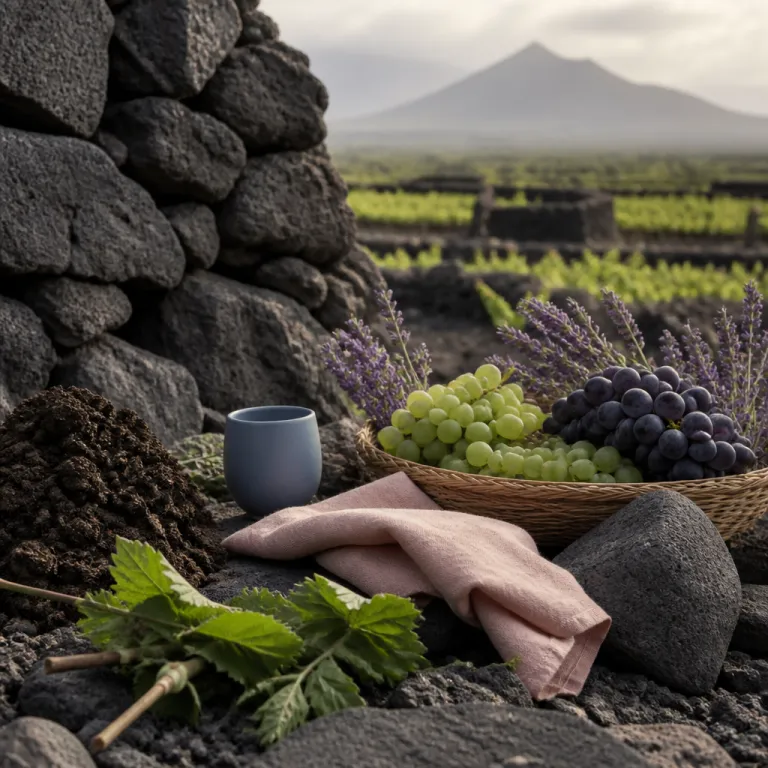
The currais are small rectangular plots enclosed by dry stacked basalt stone walls, engineered to break wind, trap heat and filter salt rather than simply to mark property. In this harsh volcanic context, Pico Island vintners work each vineyard by hand, using the walls to create hundreds of microclimates that define both the vineyard culture and the character of Pico wines. The result is a unique landscape Pico visitors can read like a grid of open air rooms, each curral and smaller curraleta shaping how the vines grow and how the eventual wines express the island Azores terroir.
UNESCO heritage status here is not a label for scenic vineyards, but recognition of a cultural system that began with early settlers and peaked when Pico wine travelled across Portugal and beyond. The total area of vineyards protected within this heritage site reaches almost 1 000 hectares, yet the feeling on the ground is intimate, because the stone walls keep your perspective low and human scaled. When you plan a luxury stay around currais Pico UNESCO wine, treat the walls as the main monument and the wine tasting as the epilogue, and you will understand why this island vineyard landscape is unlike any other in the Azores islands.
Criação Velha and the Lajido: walking inside a UNESCO heritage site
The most architectural expression of currais Pico UNESCO wine lies between Madalena and the sea, in the Vinhas da Criação Velha. Here, the Lajido plateau carries a continuous carpet of basalt, cut into thousands of currais that run almost to the Atlantic edge of Pico island. Walking the marked Velha trail, you move through a sequence of rooms, each defined by stone walls that stand shoulder high and absorb the volcanic sun.
This is where the Lajido patrimony shows its full range, from seventeenth century lava lanes to nineteenth century storage houses that once held barrels of Pico wines bound for mainland Portugal. The Vinhas da Criação Velha and the nearby Vinhas dos Mistérios reveal two distinct wall typologies, one tight and rectilinear, the other more sinuous where lava once flowed in waves, and together they explain how vineyard culture adapted to every nuance of the volcanic terrain. A local explanation captures the logic perfectly : "What is a curraleta?" and the answer follows immediately, "A smaller division within a curral."
For a solo traveler, the best way to understand currais Pico UNESCO wine is to spend a half day walking the Lajido before any formal wine tasting. Start early, when the morning light rakes across the stone and makes every joint in the basalt walls visible, then pause where the landscape Pico opens towards the channel and São Jorge islands. Later, when you read more about how these volcanic vineyards produce the Atlantic’s most mineral wines through a detailed guide to the currais, you will already have the architecture under your feet and the rhythm of ilha Pico walls in your memory.
Pairing the currais with the right stay on Pico island
Currais Pico UNESCO wine rewards travelers who match the heritage site with a stay that understands both architecture and agriculture. On Pico island, that usually means choosing between the Azores Wine Company’s serviced apartments in the middle of the vineyards and a refined address in Madalena that keeps you close to the harbour, restaurants and ferries to other islands. Each option frames the same volcanic landscape differently, and the choice shapes how you experience the stone walls and the wider island Azores culture.
The Azores Wine Company property sits within working Pico vineyards, where basalt walls run almost to your terrace and the Atlantic horizon feels close enough to taste. Here, you wake with the first light on the currais, watch vineyard workers move between plots, and see how a modern wine company interprets traditional vineyard culture through contemporary architecture and careful stewardship of terrantez do Pico and arinto dos Açores grapes. It is the most direct way to live inside currais Pico UNESCO wine, with the heritage site literally outside your door and guided wine tasting sessions that explain how each vineyard parcel contributes to the final Pico wines.
Staying in Madalena, by contrast, places you within a small town rhythm, where you can walk to the marina, take ferries towards São Jorge or Faial islands, and join locals in cafés after a day among the vineyards. This base works well if you want to combine currais Pico UNESCO wine with other cultural experiences, such as a heritage focused trip to Angra do Heroísmo on Terceira for the Day of the Azores celebrations, which you can plan through a dedicated guide to booking Angra for major commemorations. Either way, choose a property that treats the currais as more than scenery, and ask specifically about access to Criação Velha, the Lajido and other key sections of the heritage site.
How to structure a half day among the stone walls
The most rewarding way to approach currais Pico UNESCO wine is to separate architecture from tasting, at least for a few hours. Dedicate a half day purely to the stone walls, the volcanic ground underfoot and the way the Atlantic light moves across the vineyards, then return later for a focused session with Pico wines. This rhythm suits solo travelers who prefer to understand a place in layers, and it respects the fact that this UNESCO heritage landscape is first a cultural construction and only then a drink in your glass.
Start in Criação Velha, entering the heritage site on foot rather than by car, and follow the Velha trail between low basalt walls that sometimes narrow into lanes and sometimes open into wider island vineyard clearings. Notice how the walls shift in height and thickness as you move closer to the sea, how some plots hold older vines while others show recent replanting, and how the volcanic stone under your boots changes from smooth lava slabs to broken rock. This is where you see the goals of the original builders in action : "Why are basalt walls used?" and the answer remains unchanged, "To protect vines from wind and sea spray."
Only after this architectural immersion should you sit down for a guided wine tasting that explores terrantez do Pico, arinto dos Açores and other local varieties shaped by this vineyard culture. When you finally taste a glass of Azores wine from a specific vineyard, you will be able to picture the exact walls that sheltered those grapes and the microclimate that defined their ripening. If you have time on your wider Azores itinerary, consider pairing this half day with other agricultural landscapes, such as the tea fields and pineapple greenhouses on São Miguel, which are explored in depth in a guide to three Azorean crops worth a half day each.
Season, light and the wider Azores itinerary
Currais Pico UNESCO wine looks different in every season, but the architecture of the walls rewards careful timing. Summer mornings, when the sun sits low and the air is clear, reveal the construction details of the basalt stone walls in a way that flat winter light rarely matches. If you care about the built aspect of this heritage site, plan to be in Criação Velha early, when long shadows carve each joint and the full geometry of the vineyards appears.
That said, overcast days have their own quiet appeal, especially for solo travelers who prefer to walk the landscape Pico without heat or crowds. On such days, the contrast between black volcanic stone and green vines softens, and you notice more of the small elements, from the thickness of each wall to the way paths curve around older lava flows, particularly in the Vinhas dos Mistérios. This is also when you feel the broader island Azores atmosphere, with clouds hanging over the cone of ilha Pico and the outlines of São Jorge and sometimes São Miguel appearing across the water, reminding you that these vineyards sit within a larger archipelago of culture and heritage.
When you design a luxury itinerary around currais Pico UNESCO wine, think in terms of pairings : one stay close to the vineyards, one in a town, one island for wine and another for different forms of heritage. Pico island excels at volcanic vineyard culture, while São Miguel offers thermal springs and agricultural estates, and Terceira brings urban history in Angra do Heroísmo. Across these islands, you move from stone walls and vineyard architecture to coastal towns and historic centres, building a trip that treats the Azores as a set of complementary heritage sites rather than a single destination.
FAQ
What exactly are the currais on Pico island?
The currais on Pico island are small, rectangular vineyard plots enclosed by dry stacked basalt stone walls. They were engineered to protect vines from Atlantic wind and sea spray while storing heat in the volcanic rock, creating hundreds of distinct microclimates. This system of currais underpins the UNESCO recognition of the Pico vineyards as a cultural landscape of exceptional heritage value.
Why did UNESCO recognise the Pico vineyards as a heritage site?
UNESCO recognised the Pico vineyards as a heritage site because they represent a unique adaptation of viticulture to a harsh volcanic environment using only local stone and manual labour. The network of currais, walls, lanes and small buildings in areas such as Criação Velha and the Lajido forms a coherent cultural landscape that has remained in use for centuries. This recognition helps protect both the physical structures and the traditional vineyard culture that sustains Pico wines and Azores wine more broadly.
How much time should I plan for visiting Criação Velha and the Lajido?
A focused visit to Criação Velha and the Lajido deserves at least a half day, especially if you want to appreciate currais Pico UNESCO wine as architecture before tasting. This allows time to walk the Velha trail at a relaxed pace, observe the different wall typologies and explore key viewpoints over the vineyards and the sea. Many travelers then add a separate session for wine tasting, either the same afternoon or another day, to connect specific wines with the vineyard parcels they have walked.
Where should I stay on Pico to experience the vineyards properly?
To experience the vineyards properly, consider staying either within or very close to the currais, or in Madalena with easy access to Criação Velha. Properties linked to the Azores Wine Company place you directly among Pico vineyards, with views of stone walls and the Atlantic from your room. A refined stay in Madalena, by contrast, offers more dining options and ferry connections while still keeping you within a short drive or taxi ride of the main UNESCO heritage areas.
Which grape varieties are most associated with Pico wines?
The grape varieties most associated with Pico wines are terrantez do Pico and arinto dos Açores, along with other traditional white varieties adapted to the maritime climate. These grapes thrive in the shallow soils between basalt stones, where the currais protect them from wind and salt while reflecting heat onto the vines. When you taste Azores wine from Pico, you are tasting the direct influence of this vineyard culture and the volcanic architecture that shapes every cluster.