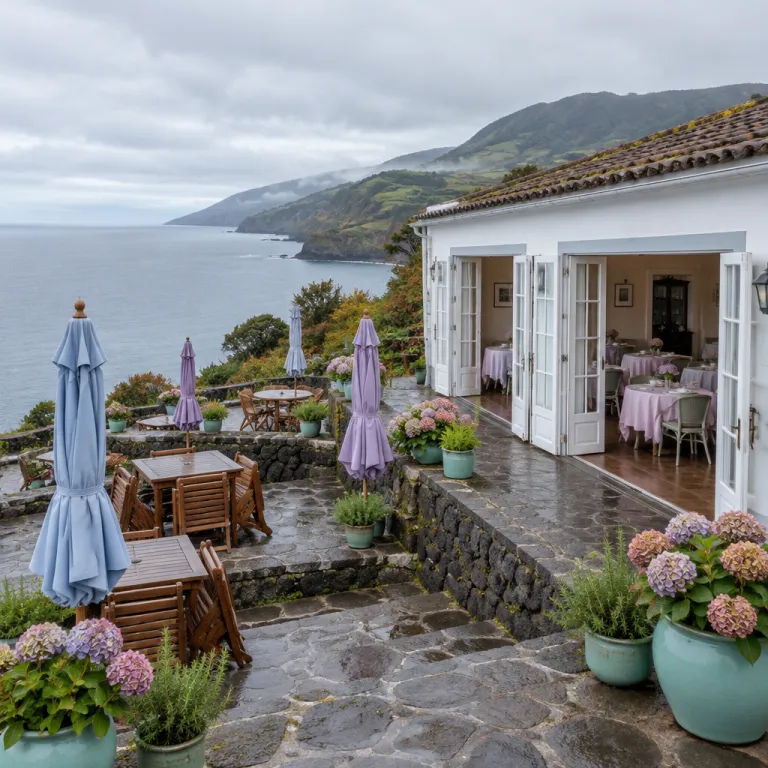
Azores autumn restaurants dining for the business‑leisure traveler
Azores autumn restaurants dining is not about chasing sunsets but about leaning into volcanic heat. When the wind sharpens over each island and terraces empty, the best restaurants move their attention indoors and the archipelago’s slow, Azorean cooking finally matches the weather. You feel it most on São Miguel, Pico and Faial, where the rhythm of business trips softens into evenings built around one serious meal.
On São Miguel Island, hotel concierges know that executives who stay an extra night will often plan their schedule around autumn dinners rather than meetings. São Miguel has dining rooms where cozido is served from pots lifted straight out of Furnas soil, and where local fish and grass‑fed beef arrive under a gloss of olive oil and red pepper broth. At places such as Terra Nostra Garden Hotel Restaurant in Furnas and À TERRA in Ponta Delgada, smaller teams keep standards high after summer and have time to talk you through wine pairings from Pico and Terceira.
Across the islands, autumn means fewer cruise passengers and more locals reclaiming their favourite restaurant tables. That shift changes how kitchens work, because chefs can focus on shorter menus, more fresh fish and Azores food that reflects what just came off the boat or down from the pasture. On São Miguel and Faial, you will notice tighter tasting menus, better pacing between courses and a willingness to grill local fish or beef to order rather than batch cook for crowds.
For travelers using a luxury hotel booking website focused on the Azores, this season is when room and table availability finally align. You can secure a sea‑view suite on the Pico–Faial ferry routes and still reserve the best restaurant seats for the same weekend, which rarely happens in high summer. For business‑leisure guests, a well‑planned dinner becomes a strategic asset: you can land late‑afternoon flights, check in, and still eat a full Azorean dinner that feels unhurried.
From terraces to tiled dining rooms on São Miguel and Pico
Summer in the Azores is all about terraces that hang over harbours, but autumn pushes serious meals into tiled rooms with low ceilings and slow service. On São Miguel, that means moving from marina decks into Ponta Delgada townhouses where bolo lêvedo arrives warm, split and served with Azorean butter and São Jorge cheese. The same shift happens on Pico Island, where basalt‑walled dining rooms frame wine shelves and plates of fresh fish grilled over charcoal.
In these months, São Miguel restaurants lean into heat and depth rather than light salads. You will see more beef stews scented with red pepper paste, more local fish baked with olive oil and garlic, and more Azores food that feels built for rain‑swept evenings. On the São Miguel–Faial routes, travelers often schedule meetings early so they can eat cozido or seafood caldeirada at a restaurant such as O Bar do Adão in Ponta Delgada, which only serves these slow dishes at night, when the pots have had hours to rest.
Pico–Faial crossings also shape off‑season dining, because ferries encourage overnight stays instead of day trips. That means you can book a luxury hotel on Pico Island, secure a late seating at a restaurant in the vineyards such as Cella Bar or Ancoradouro, and let the sommelier pour Azores wine labels made from grapes grown within a few hundred metres. For a detailed look at how one ambitious Pico kitchen handles long‑form menus, our guide to landing the 12 course Pico tasting menu remains essential reading.
On every island, the move indoors also changes how service feels. With fewer tables, staff will often remember your name, your preference for grilled local fish over beef, and whether you asked about São Jorge cheese the night before. As one São Miguel concierge at a five‑star hotel puts it, “In October we finally have time to treat every table like a regular.” That intimacy is where autumn restaurant culture stands apart, especially for executives who value discretion and a sense that the room belongs to them for the evening.
Volcanic heat on the plate: cozido, stews and pasture beef
Azores autumn restaurants dining comes into its own when the menu turns to volcanic cooking. On São Miguel Island, the classic is cozido das Furnas, a stew of beef, pork and vegetables cooked underground by geothermal steam until the meat is soft and the broth tastes faintly of the earth. Order it at a restaurant that works with hotel concierges, such as Caldeiras & Vulcões in Furnas, because the dish must be buried hours before you eat and is only served in limited portions.
Across the islands, chefs use the cooler season to work with heavier cuts of beef and longer‑simmered sauces. On Faial and Terceira, you will find alcatra, a clay‑pot beef stew cooked slowly with red pepper paste, Azorean wine and olive oil, which arrives at the table still bubbling. Pair it with bolo lêvedo or local bread to soak up the sauce, and ask for São Jorge cheese on the side, because the salty, nutty profile cuts through the richness.
Seafood does not disappear in autumn; it simply shifts into deeper preparations. Fresh fish becomes caldeirada, a layered stew of local fish, potatoes and tomatoes, or is served as thick fillets roasted with olive oil and garlic instead of quick‑grilled slices. In many Azores restaurants, the same fisherman who supplied your summer sashimi now brings in larger fish suited to these dishes, and the kitchen will often present the whole catch at your table before cooking.
For business‑leisure travelers staying near Lagoa on São Miguel, one of the most reliable ways to understand this seasonal shift is to study a serious kitchen up close. Our in‑depth review of Vítor Sobral’s Lagoa dining room unpacks how a chef with mainland credentials handles Azores food, from local fish to pasture beef, when the terraces close and the focus moves to the plate. Read it before you book, then let your hotel handle the reservation and transport.
Island by island: where autumn tables stay ambitious
Not every island keeps the same energy once the last summer flight leaves, and that matters for Azores autumn restaurants dining. São Miguel and Pico remain the most reliable for ambitious tasting menus, while Faial and Terceira excel at elevated traditional food in small dining rooms. Santa Maria and São Jorge feel quieter but can reward travelers who value intimacy over choice, especially when they stay in luxury hotels that curate restaurant access.
On São Miguel, focus on Ponta Delgada, Lagoa and Furnas, where hotel concierges maintain direct lines to the best restaurants. These Azores restaurants will often hold a table for guests who book suites, especially on weekdays when business travelers extend their stay. You will eat better if you let the kitchen send a progression of local fish, beef and Azorean cheeses rather than ordering à la carte, because the chef can then work with what was served from the market that morning.
Pico–São Miguel and Pico–Faial ferry links make Pico Island a strong choice for travelers who want wine pairings built around volcanic vineyards. Here, autumn dinners often mean multi‑course menus that move from crudo of fresh fish to slow‑cooked beef, finishing with São Jorge cheese and bolo lêvedo. On Faial, Horta’s harbourfront restaurants stay open but the most interesting food often hides one or two streets back, where small rooms such as Genuíno serve local fish and Azores food to residents first.
São Jorge and Santa Maria reward planning more than spontaneity. Many restaurants close one or two nights a week in the cooler months, and some only open when enough reservations come in, so your hotel will quietly coordinate numbers. When they do open, you will often find some of the best Azores food of the trip there, because the kitchen cooks for a room of regulars and treats you like a guest rather than a passing tourist.
How to book, pair and structure your autumn dinners
Azores autumn restaurants dining rewards travelers who treat dinner as the anchor of the day. Start by asking your hotel to secure one major reservation on São Miguel or Pico for each night of your stay, then build meetings or hikes around those times. The smaller the restaurant, the more important this becomes, because many Azores restaurants will only prepare slow dishes like cozido or alcatra for guests who have booked.
When you reserve, signal your interest in local fish, beef and Azorean specialties. Mention that you want fresh fish, São Jorge cheese, bolo lêvedo and dishes cooked with olive oil and red pepper paste, and the kitchen will often plan something off menu. This is especially true on São Miguel–Faial routes, where chefs know that business‑leisure travelers may only eat with them once and will quietly upgrade what is served.
Azores wine labels deserve as much attention as the food. On Pico Island and Terceira, ask for volcanic whites with fresh fish and lighter reds with beef stews, then let the sommelier guide you through smaller producers whose bottles rarely leave the islands. If you are pairing a heavy Azorean dinner with a day of hiking on São Miguel, our routing guide to combining trails, spas and serious meals will help you time everything so you arrive at the restaurant hungry but not exhausted.
Finally, remember that autumn dining in the Azores is as much about pace as about plates. You will often sit longer, talk more with staff and watch as each dish is served from the kitchen with a short story about the island, the fisherman or the farmer. Lean into that rhythm, and the Azores stop being a backdrop to your business trip and become the reason you extend it.
FAQ
Is autumn a good season for fine dining in the Azores ?
Autumn is one of the strongest seasons for fine dining in the Azores, because restaurants handle fewer covers and can give more attention to each table. Chefs lean into slow‑cooked Azores food such as cozido, beef stews and seafood caldeirada that suit cooler evenings. You also gain better access to reservations at the best restaurants on São Miguel, Pico, Faial and Terceira.
Which Azorean islands work best for business‑leisure dining trips ?
São Miguel and Pico Island offer the most consistent autumn restaurant experience for business‑leisure travelers, with serious kitchens, strong Azores wine lists and luxury hotels that manage reservations. Faial and Terceira are excellent for traditional Azorean food in small dining rooms that stay open year‑round. Santa Maria and São Jorge can work well if your hotel pre‑books restaurants, because opening days are more limited.
Do I need to book volcanic cozido and other slow dishes in advance ?
Yes, dishes such as cozido das Furnas and long‑simmered beef stews usually require advance booking, especially in autumn when restaurants may prepare limited quantities. Tell your hotel or the restaurant at least a day ahead that you want these specialties, so they can be buried in volcanic soil or set to cook in clay pots. Walking in without a reservation often means missing the signature Azores food of the island.
What should I order if I want to focus on local products ?
Look for menus that highlight fresh fish, pasture‑raised beef, São Jorge cheese, bolo lêvedo and dishes seasoned with olive oil and red pepper paste. Ask staff which Azores food elements came from that specific island, whether São Miguel, Pico, Faial or Terceira. Pair your meal with bottles from Pico Island or Terceira to keep the entire experience rooted in the archipelago.
How can I fit serious dinners around meetings or hiking days ?
Plan one main dinner each night and schedule meetings or hikes so you can return to your hotel with enough time to change and reset. Many Azores restaurants offer later seatings in autumn, which helps business‑leisure travelers who work on mainland schedules. Using concierge support and routing guides that combine trails, spas and dining will keep your days active without compromising your evening restaurant plans.