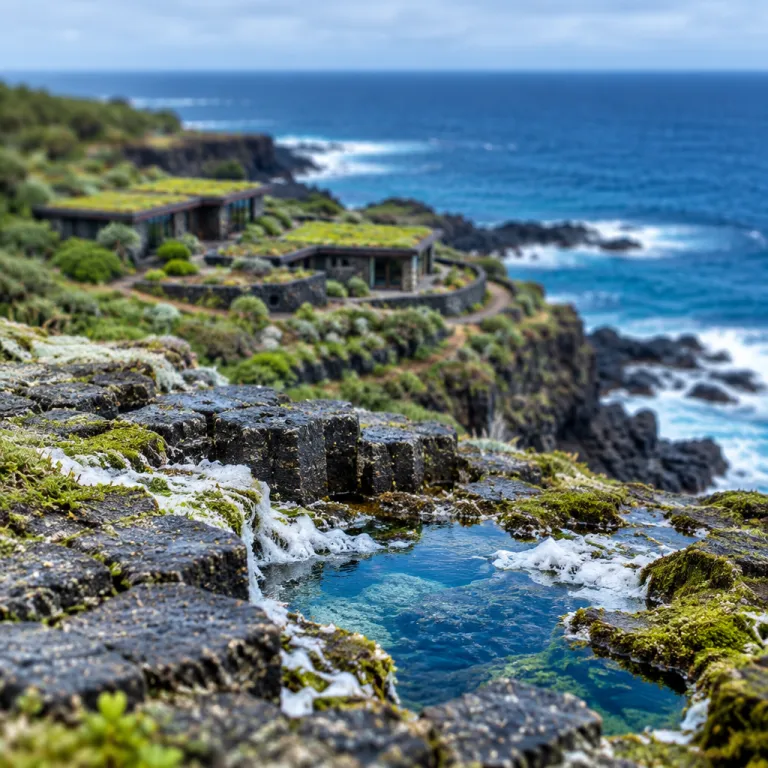
Azores regenerative tourism stays and why World Tourism Day matters
World Tourism Day lands differently in the Azores, where tourism is framed as a responsibility rather than a volume game. On these nine volcanic islands of Portugal, the government and tourism companies have positioned the Azores archipelago as the first certified sustainable tourism destination, tying every new project to strict environmental sustainability limits and long term sustainable development goals. For a solo traveler choosing between luxury properties, that means your azores regenerative tourism stays can either reinforce this careful development model or quietly erode it.
Regenerative travel goes beyond low impact tourism today and asks whether your stay actively restores azores nature, supports local communities and strengthens cultural resilience. In the context of tourism Azores wide, a regenerative hotel on an island like São Miguel should be able to report how it protects water sources, restores native forest and funds conservation rather than simply offsetting emissions. When you read a glossy post about sustainability, look for concrete practices such as rewilding projects, marine conservation partnerships and transparent data on energy, water and waste rather than vague promises about being green.
The Azores tourism sector sits at a delicate point where visitor numbers are rising faster than many local community infrastructures can adapt. On smaller islands Azores wide, from Pico to Flores, the question is not whether tourism is good or bad but how each tourism destination can remain livable for residents while welcoming guests. World Tourism Day is therefore a useful lens to view your booking choices, asking whether your preferred hotel treats the islands as a place people call home or as a backdrop for short term tourism recreation.
How to read regenerative claims when you book your stay
When a property markets itself around azores regenerative tourism stays, start with the basics that many travelers skip. Scan the website for a clear sustainability report or impact page that details energy sources, water use, waste management and biodiversity protection on the island where it operates. If a hotel in São Miguel claims sustainable regenerative credentials, it should publish measurable targets, timelines and independent audits rather than relying on soft language about caring for the environment.
Employment is the next filter, because regenerative tourism in the Azores is fundamentally about the tourism sector serving the local community first. Ask whether most staff come from the local communities on that specific island, whether management roles are open to residents and how training supports long term career development rather than seasonal churn. A serious tourism project will also explain where it buys food, wine and furnishings, prioritizing local producers and creative artisans who keep Azorean culture and cultural landscapes economically viable.
For a deeper dive into how regenerative ideas are reshaping high end travel, read our analysis of citizen scientist itineraries as a quiet luxury shift in the islands. These itineraries show how tourism today can create unique experiences where guests contribute to marine research, bird monitoring or volcanic geology mapping while still enjoying premium comfort. When a hotel partners with such initiatives, it signals that the property sees tourism as a long term development tool for the Azores archipelago rather than a short term extraction industry.
Where your money goes on São Miguel and beyond
On São Miguel, the largest island in the Azores, the gap between regenerative rhetoric and reality is easiest to see. High end resorts along the north coast may share the same ocean view, yet only a few embed environmental sustainability into their architecture, energy systems and daily operations. Before you book, compare how each candidate property talks about azores nature, from geothermal pools and crater lakes to coastal ecosystems, and whether it treats them as fragile assets or unlimited playgrounds for tourism recreation.
Look for hotels that integrate sustainable tourism into every layer of the guest journey, not just in a single eco activity. A strong example is any eco beach resort on São Miguel that uses local stone, rainwater harvesting, native planting and low light pollution while sourcing food from nearby farms and fisheries, as explored in our feature on sustainable seaside luxury on the north coast. When your room rate flows to local farmers, guides and cultural practitioners, your stay supports sustainable development rather than pushing the island economy toward dependence on imports.
Outside São Miguel, smaller islands Azores wide feel every shift in tourism demand more sharply, from ferry schedules to housing pressure. On Faial or São Jorge, a single new luxury property can reshape the tourism destination profile and either anchor the local community or displace it. Choosing azores regenerative tourism stays that cap room numbers, respect carrying capacity and invest in community projects helps keep these tourist destinations livable for residents while still welcoming curious guests from Portugal, the United States and beyond.
Questions to ask before you book azores regenerative tourism stays
As World Tourism Day approaches, use your solo traveler flexibility to interrogate the offers in your inbox. Email the hotel directly and ask how it defines regenerative tourism, what percentage of staff are local and which conservation or cultural initiatives your stay supports on that specific island. Properties that take sustainability seriously will answer with concrete examples, from reforestation practices and marine protected area funding to scholarships for hospitality students from local communities.
Drill into how the property manages land and water, because these are finite on volcanic islands. Ask whether greywater is reused, whether pools rely on treated municipal water or natural springs and how landscaping supports native species rather than thirsty exotics that strain the island’s aquifers. A credible regenerative project will also explain how it limits car dependency, perhaps by offering transfers, promoting walking trails or partnering with guides who interpret azores nature through the lens of geology, agriculture and culture rather than simple sightseeing.
Finally, consider how your own behavior aligns with the future you want for tourism Azores wide. Choose slower itineraries that focus on one island or two rather than racing across the Azores archipelago, allowing your spending to sink deeper into each place people call home. If you want wellness to be part of that journey, our guide to levada yoga and volcanic spas shows how regenerative stays can blend mindful tourism, local culture and environmental sustainability without slipping into greenwashed clichés.
FAQ: Regenerative luxury stays in the Azores
What makes a hotel stay in the Azores genuinely regenerative ?
A genuinely regenerative stay in the Azores goes beyond basic sustainable tourism checklists and actively improves the health of the island where it operates. That can mean restoring native forest, funding marine conservation, supporting cultural festivals or training local youth for long term roles in the tourism sector. If a property cannot show specific projects, timelines and community partners, it is likely operating at a low impact level rather than truly regenerative.
How can I check if my spending stays in the local community ?
Start by asking where the hotel sources its food, wine, spa products and excursions, because these choices reveal whether money circulates within the local community or leaks offshore. Properties that prioritize local suppliers, independent guides and cultural practitioners will usually highlight these partnerships in their communication and on site storytelling. You can also favor family owned accommodations and tourism companies registered in the Azores, which are more likely to reinvest profits in island development.
Is it better to visit several islands or focus on one ?
From a sustainability perspective, focusing on one island or a tight cluster within the Azores archipelago usually reduces transport emissions and pressure on fragile sites. Spending more time in a single destination lets you build relationships with residents, understand local culture and support a wider range of businesses beyond the usual tourist destinations. If you do combine islands, plan longer stays on each and use ferries where possible instead of multiple short flights.
What questions should I ask a hotel before booking for World Tourism Day ?
Ask how the property defines regenerative tourism, what percentage of staff are local, which conservation or cultural projects it supports and how it manages water, energy and waste. You can also request a recent sustainability report or certification that covers the specific island, not just a generic brand level label. Hotels that answer quickly and transparently are usually more serious about environmental sustainability and community benefit than those that respond with marketing slogans.
Can luxury and environmental sustainability really coexist in the Azores ?
Luxury and environmental sustainability can coexist when comfort is decoupled from excess and rooted in place sensitive design. In the Azores, that often means smaller properties built with local materials, efficient energy systems, low light pollution and experiences that highlight azores nature and culture rather than imported entertainment. For many travelers, this quieter, more grounded style of luxury feels richer than conventional resort models, especially when they know their stay contributes to the future of the islands.